A Collector’s Guide to the Chanel Flap Bag
The Bag That Built the Chanel Legacy
Some handbags come and go with the season, but the Chanel Flap Bag has never really left the conversation. It's one of those rare designs that feels just as relevant today as it did decades ago, whether it's styled with relaxed denim and a white tee or paired with an evening look. While trends continue to shift, the Flap remains the bag many people associate with Chanel itself. It has become a symbol of the House's design philosophy, and no surprise that it continues to be one of Chanel's best-selling and most collected silhouettes.
The story begins in February 1955, when Gabrielle "Coco" Chanel introduced the now famous 2.55. At the time, most handbags were designed to be carried by hand, but Chanel wanted women to have something that offered a little more freedom. By adding a shoulder strap, she created a bag that felt effortless and practical without sacrificing style. The original design featured diamond quilting inspired by equestrian jackets, a burgundy lined interior, multiple compartments for everyday essentials, and the signature Mademoiselle lock, a rectangular closure that reflected Chanel's understated approach to luxury.
When Karl Lagerfeld joined Chanel in the 1980s, he gave the silhouette a new identity while preserving everything that made it special. His biggest update was introducing the interlocking CC turn-lock, a design detail that would become one of the most recognizable symbols in fashion. Today, the double ‘CC’ closure is synonymous with Chanel, appearing on everything from the Classic Flap and Mini Flap to the Chanel 19, Wallet on Chain (WOC), top-handle bags, small leather goods, jewelry, belts, and even footwear. More than just a clasp, the interlocking CC transformed into a signature House code that instantly identifies a piece as Chanel.
The beauty of the Chanel Flap Bag is that it has evolved over the years without losing what made it iconic in the first place. While countless seasonal versions have been released, a handful of silhouettes remain the most sought-after.
Finding Your Flap
Not all Chanel Flap Bags are created the same. While they share the House's signature quilted leather, chain strap, and unmistakable hardware, subtle differences in construction have created distinct silhouettes that collectors continue to seek out. Whether you're drawn to vintage Chanel or shopping for your first investment piece, understanding these variations makes the hunt that much more rewarding.
Full Flap
The Full Flap is the silhouette most people picture when they think of Chanel. Defined by its structured shape and front flap that extends across the entire opening of the bag, it embodies the timeless elegance the House is known for. It's polished without feeling overly formal and transitions effortlessly from everyday wear to evening occasions. Decades after its debut, it remains one of Chanel's most recognizable and enduring designs.
Double Flap
For many collectors, the Double Flap is the ultimate Chanel. Hidden beneath the exterior flap is a second interior flap, a thoughtful design element that helps the bag maintain its signature shape while creating the layered opening that has become synonymous with the Classic Flap. It offers a more structured feel and a sense of occasion every time it's opened. There's a reason so many vintage enthusiasts and seasoned collectors gravitate toward the Double Flap. It captures the craftsmanship and attention to detail that have made Chanel handbags so coveted for generations.
Half Flap
The Half Flap, more commonly known among collectors as the Single Flap, takes a slightly more relaxed approach. By eliminating the interior flap, the silhouette feels lighter in hand and offers a roomier interior without compromising the classic Chanel look. It's a favorite among those who appreciate practicality as much as design, and although it's no longer widely produced by the House, it continues to command attention on the resale market. For many, it's one of Chanel's best-kept secrets, a bag that delivers the same iconic aesthetic with a little more everyday ease.
Diana Flap
Among Chanel's many iconic silhouettes, the Diana Flap has developed a following all its own. Introduced in the late 1980s, the bag gained its name after Diana, Princess of Wales, was frequently photographed carrying the style, cementing its place as one of the most recognizable vintage Chanel bags. With its softly curved edges, classic quilted leather, and signature CC turn-lock, the Diana Flap captures a slightly more relaxed side of Chanel. It has the elegance of the Classic Flap but with a softer, more effortless personality that feels especially relevant today. Part of its charm comes from the fact that it represents a different era of Chanel, before the constant cycle of seasonal releases, when the focus was on creating pieces designed to last. Today, the Diana Flap remains a favorite among collectors not only because of its connection to Princess Diana, but because it embodies the kind of understated luxury that has made vintage Chanel so desirable.
The Art of Choosing a Chanel Flap
No matter which silhouette speaks to you, each represents a different interpretation of the Chanel Flap Bag's enduring legacy. Some collectors love the architectural structure of the Double Flap, while others prefer the effortless functionality of the Half Flap or the timeless proportions of the Full Flap. There isn't a wrong choice, only the version that best fits your style. That's part of what has kept the Chanel Flap at the center of the fashion conversation for decades. It continues to evolve without ever losing the design language that made it an icon in the first place.
What Goes Around Comes Around is not affiliated with Chanel and has not been authorized by Chanel to sell the items linked in this post.


.WebP?sfrm=jpg&q=80)

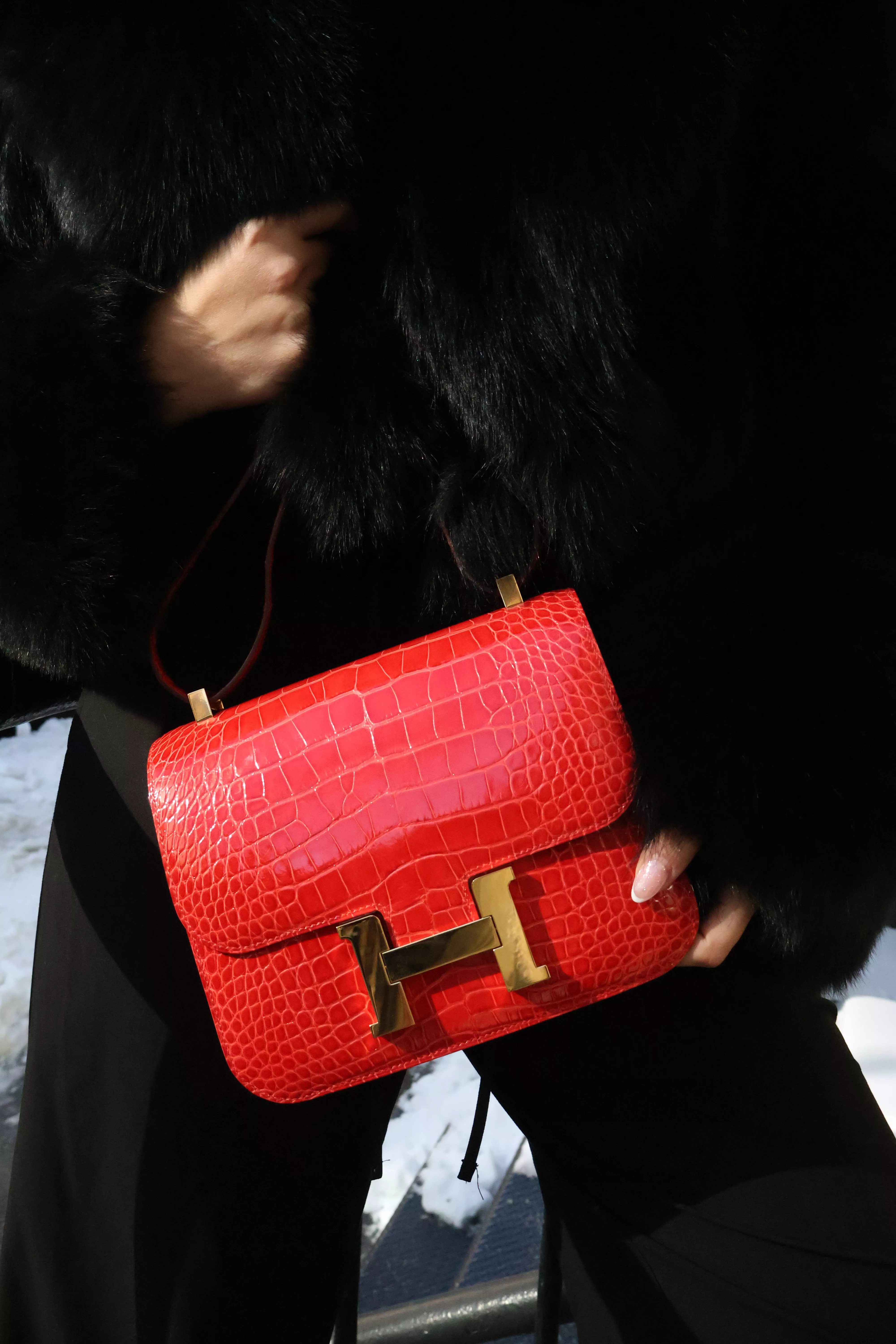
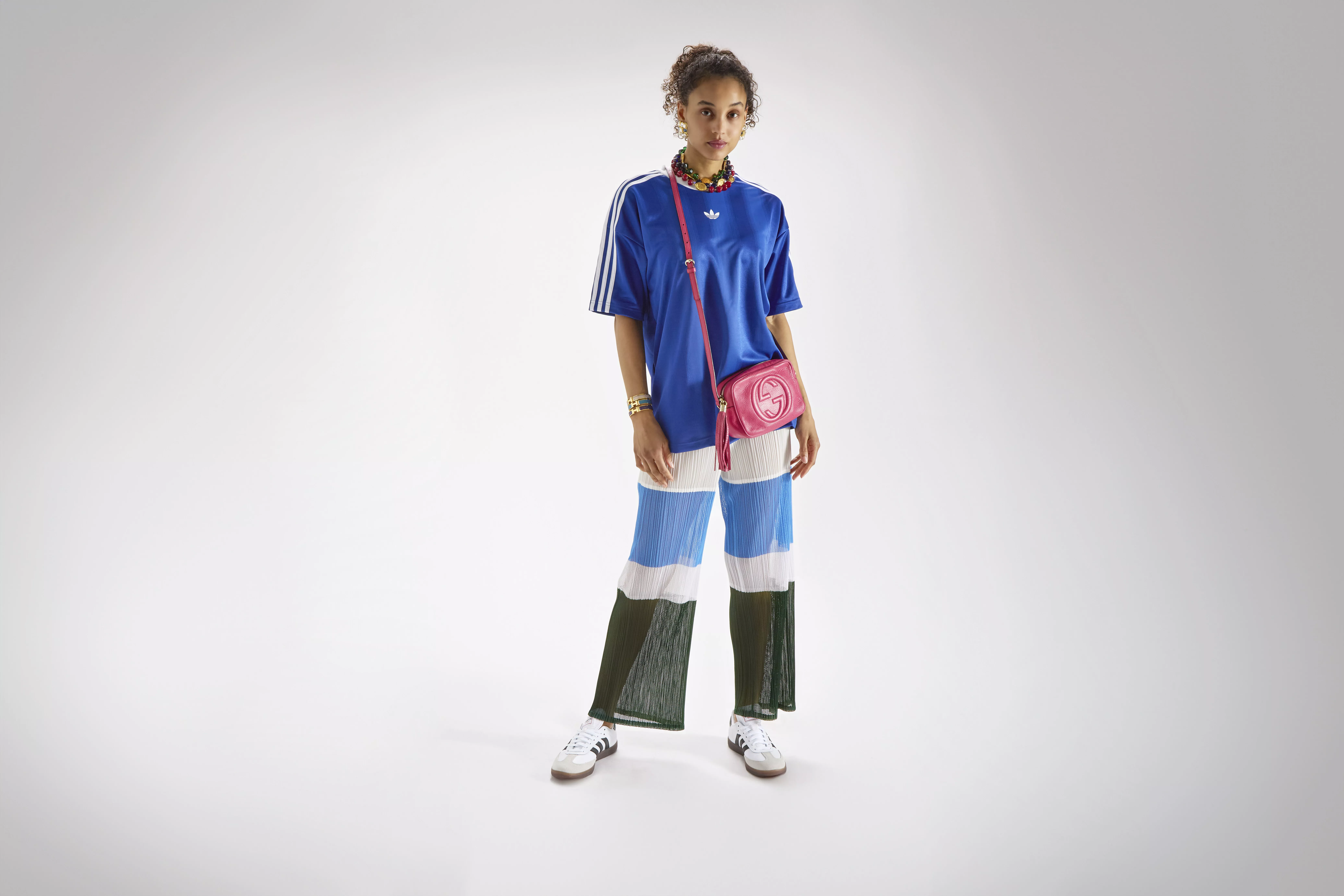
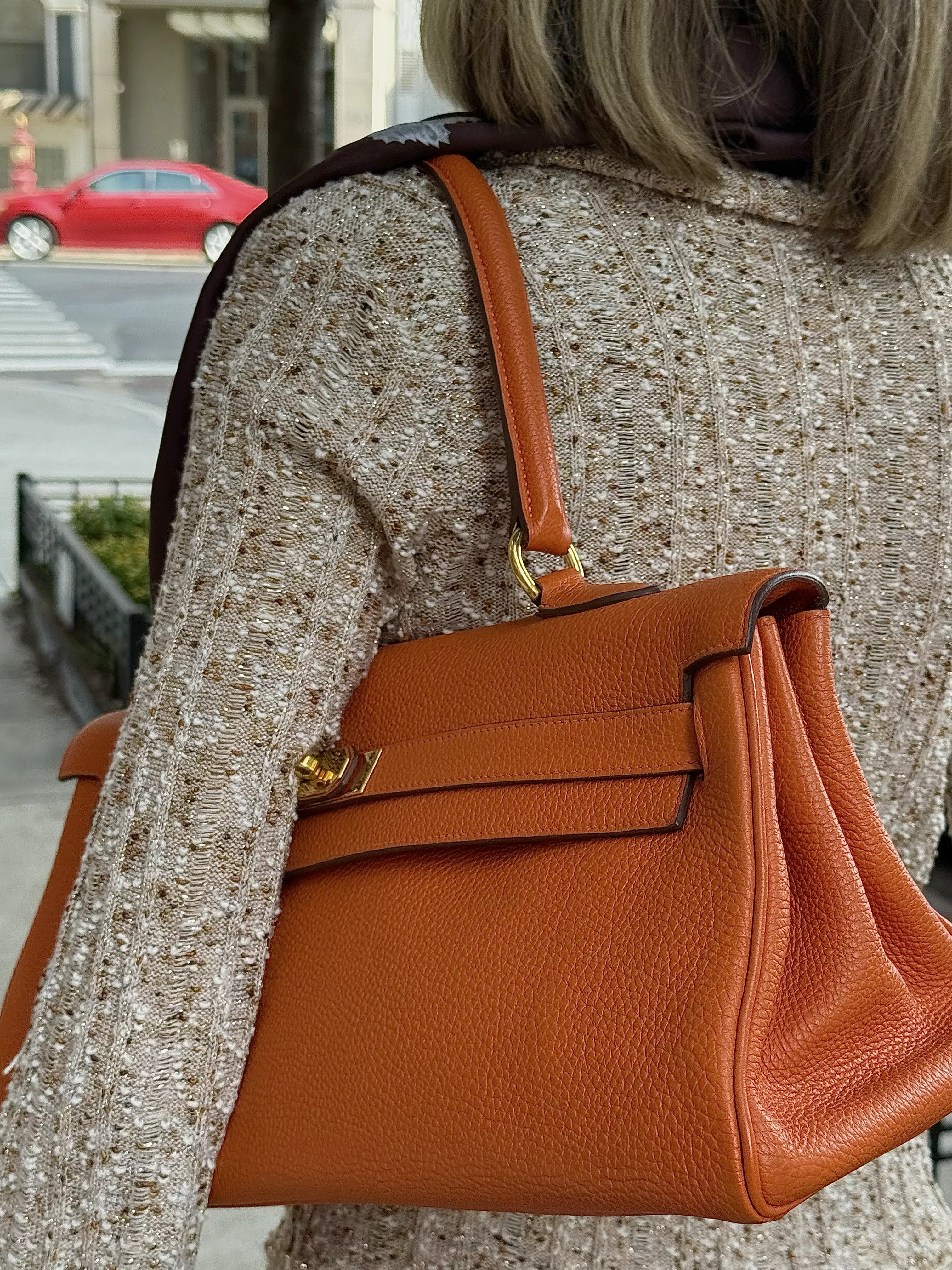
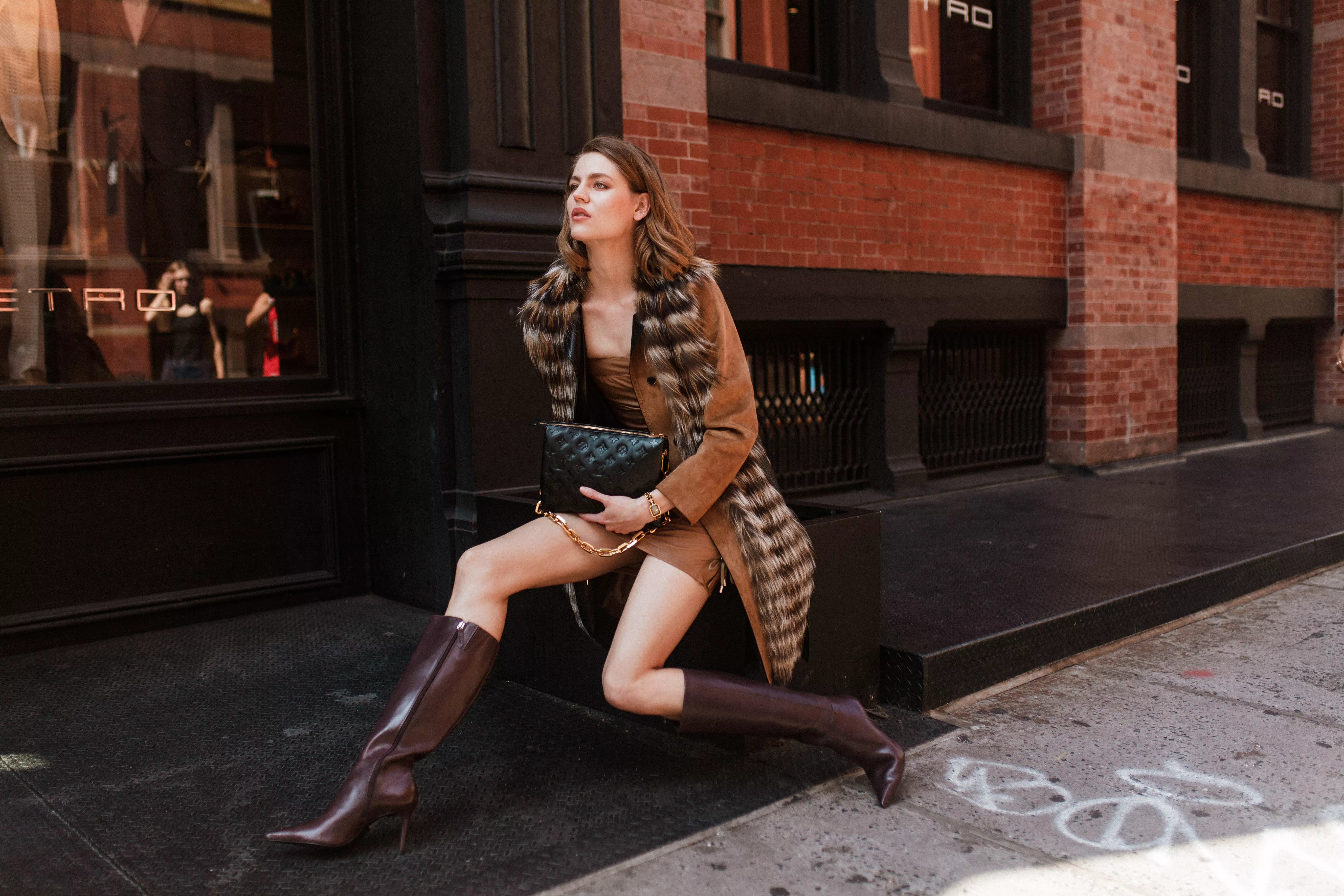
The Chanel Flap Bag has remained one of the most recognizable handbags in the world because of its timeless design and instantly identifiable details. From the diamond quilting and leather-woven chain strap to the iconic interlocking CC turn-lock, every element reflects the House's signature aesthetic. Unlike trend-driven handbags, the Flap has maintained its appeal for decades because its design continues to feel relevant across generations.
The Chanel 2.55 was introduced by Gabrielle "Coco" Chanel in 1955 and features the original Mademoiselle lock, a rectangular closure inspired by Chanel's personal design language. The Classic Flap was later introduced by Karl Lagerfeld in the 1980s and updated the silhouette with the now-famous interlocking CC turn-lock. Both remain highly coveted, with the 2.55 representing Chanel's original vision and the Classic Flap becoming one of the House's most recognizable designs.
The Chanel Flap Bag has maintained strong demand due to its timeless design, limited availability, and lasting popularity among collectors. Classic styles, especially in black lambskin or caviar leather, continue to hold their value because they remain some of the most sought-after handbags on the resale market. Beyond resale value, the appeal comes from owning a piece of fashion history that can be worn for decades.
The Medium Classic Flap is often considered the most iconic and versatile size because it offers enough space for everyday essentials while maintaining the proportions that made the silhouette famous. However, Mini Flaps have also become extremely popular for their compact size and modern appeal, while larger sizes like the Jumbo remain favorites among collectors who prefer more functionality.
The best way to discover rare Chanel Flap Bags is by exploring curated vintage and pre-owned collections regularly, as unique pieces are often one-of-a-kind. Because discontinued styles, limited colors, and collectible materials can be difficult to find, availability changes frequently
What Goes Around Comes Around now offers worldwide direct shipping through DHL. Shop our site in your selected currency. Shipping fees and taxes will be added in checkout.
![flag]() USA
USA![flag]() Algeria
Algeria![flag]() Andorra
Andorra![flag]() Anguilla
Anguilla![flag]() Antigua and Barbuda
Antigua and Barbuda![flag]() Argentina
Argentina![flag]() Armenia
Armenia![flag]() Aruba
Aruba![flag]() Australia
Australia![flag]() Austria
Austria![flag]() Bahamas
Bahamas![flag]() Bahrain
Bahrain![flag]() Barbados
Barbados![flag]() Belgium
Belgium![flag]() Belize
Belize![flag]() Bermuda
Bermuda![flag]() Bolivia
Bolivia![flag]() Bosnia and Herzegovina
Bosnia and Herzegovina![flag]() British Virgin Islands
British Virgin Islands![flag]() Bulgaria
Bulgaria![flag]() Cabo Verde
Cabo Verde![flag]() Canada
Canada![flag]() Cayman Islands
Cayman Islands![flag]() Chile
Chile![flag]() China
China![flag]() Colombia
Colombia![flag]() Cook Islands
Cook Islands![flag]() Costa Rica
Costa Rica![flag]() Croatia
Croatia![flag]() Curaçao
Curaçao![flag]() Cyprus
Cyprus![flag]() Denmark
Denmark![flag]() Dominican Republic
Dominican Republic![flag]() Ecuador
Ecuador![flag]() Egypt
Egypt![flag]() El Salvador
El Salvador![flag]() Fiji
Fiji![flag]() Finland
Finland![flag]() France
France![flag]() French Polynesia
French Polynesia![flag]() Georgia
Georgia![flag]() Germany
Germany![flag]() Gibraltar
Gibraltar![flag]() Grenada
Grenada![flag]() Honduras
Honduras![flag]() Hong Kong
Hong Kong![flag]() Hungary
Hungary![flag]() Iceland
Iceland![flag]() Ireland
Ireland![flag]() Israel
Israel![flag]() Italy
Italy![flag]() Jamaica
Jamaica![flag]() Japan
Japan![flag]() Jordan
Jordan![flag]() Kuwait
Kuwait![flag]() Liechtenstein
Liechtenstein![flag]() Luxembourg
Luxembourg![flag]() Maldives
Maldives![flag]() Martinique
Martinique![flag]() Mexico
Mexico![flag]() Monaco
Monaco![flag]() Montenegro
Montenegro![flag]() Morocco
Morocco![flag]() Netherlands
Netherlands![flag]() New Zealand
New Zealand![flag]() Norway
Norway![flag]() Pakistan
Pakistan![flag]() Poland
Poland![flag]() Portugal
Portugal![flag]() Qatar
Qatar![flag]() Saudi Arabia
Saudi Arabia![flag]() Seychelles
Seychelles![flag]() Singapore
Singapore![flag]() Slovenia
Slovenia![flag]() Sri Lanka
Sri Lanka![flag]() South Korea
South Korea![flag]() Spain
Spain![flag]() Sweden
Sweden![flag]() Switzerland
Switzerland![flag]() Taiwan
Taiwan![flag]() Thailand
Thailand![flag]() Trinidad and Tobago
Trinidad and Tobago![flag]() Turkey
Turkey![flag]() Turks and Caicos Islands
Turks and Caicos Islands![flag]() United Arab Emirates
United Arab Emirates![flag]() United Kingdom
United Kingdom![flag]() Venezuela
Venezuela![flag]() Vietnam
Vietnam


