Inside Miu Miu: Prada’s Rebellious Younger Sister
The History of Miu Miu & the Rise of its Signature Aesthetic
Miu Miu was established in 1993, originating from Miuccia Prada’s intention to create a brand characterized by instinct and emotional resonance, distinct from Prada. Drawing on her childhood nickname, Prada developed a label that emphasized intimacy, contrast, and individuality. While Prada is associated with discipline and precision, Miu Miu is defined by its sense of freedom, blending innocence with wit, rebellion with romance, and highlighting beauty in intentional imperfection.
Headquartered in Italy, Miu Miu emerged during a period of significant cultural transformation within the fashion industry. As the sector transitioned from dramatic extravagance to more nuanced expression, the brand introduced a novel perspective on femininity. In the late 1990s and early 2000s, Miu Miu evolved from a subsidiary line into a prominent name within luxury fashion. Unlike established brands that prioritized exclusivity and unattainable glamour, Miu Miu cultivated an identity centered on personality and authentic emotion. Its runway presentations frequently challenged conventional notions of femininity by embracing awkwardness, vulnerability, intelligence, and unpredictability. This approach distinguished Miu Miu from other luxury brands and fostered a strong connection with younger audiences seeking individuality over perfection.
Redefining Contemporary Fashion Culture
By the early 2000s, Miu Miu had established a dedicated following among women who viewed fashion as a means of self-expression rather than a marker of status. The brand became recognized for a deliberately unconventional aesthetic. Its collections frequently incorporated elements that disrupted traditional standards of neatness and design, resulting in a style that appeared organic rather than meticulously planned. Prior to the widespread adoption of 'Miu Miu girl' aesthetics in social media and runway culture, the brand had already developed a reputation for intellectual sophistication and controlled disorder. Its influence became especially pronounced in the early 2020s, when the house experienced a significant cultural resurgence fueled by viral runway moments, celebrity endorsements, and renewed interest in experimental femininity. Miu Miu quickly emerged as one of the defining luxury brands of the decade, shaping digital fashion culture and contemporary styling trends on a global scale.
This influence is further reinforced by the brand’s collaborations with distinctive cultural figures rather than traditional icons of glamour. Miu Miu campaigns and runway presentations have featured actors, musicians, models, and artists known for their individuality and unconventional appeal. Notable figures associated with the house include Chloë Sevigny, Kirsten Dunst, Elle Fanning, Lupita Nyong'o, Hailee Steinfeld, Sydney Sweeney, Emma Corrin, Gigi Hadid, Zaya Wade, and Ayo Edebiri. The brand consistently selects individuals whose public personas are cinematic, intellectual, unconventional, or subtly subversive.
Women’s Tales, Celebrity Influence & Lasting Legacy
The house has also established a reputation for integrating fashion with cinema and contemporary art. This strategy is exemplified by the Miu Miu Women’s Tales project, initiated in 2011. This ongoing initiative commissions female directors globally to produce short films that explore themes such as femininity, vanity, desire, identity, and contemporary womanhood. Rather than serving as conventional branded advertising, these films position Miu Miu within broader discussions of female authorship, independent cinema, and artistic storytelling.
Over several decades, Miu Miu has transformed from an experimental subsidiary into one of the most recognizable entities in luxury fashion. Its sustained relevance is attributed to its resistance to conventional ideals of aspiration and perfection. The archetypal Miu Miu woman is characterized by curiosity, contradiction, emotional complexity, and a disregard for excessive polish. In an industry traditionally focused on control, Miu Miu has constructed its identity around unpredictability, a quality that remains integral to the brand.
Notable Miu Miu Collections
Spring/Summer 1996 “The Birth of the Miu Miu Girl”
Widely regarded as the collection that defined Miu Miu’s identity, Spring/Summer 1996 introduced the unconventional femininity and emotional realism that became central to the brand. Rather than presenting polished perfection, the collection embraced individuality, awkward charm, and distinct personality. This collection marked Miu Miu’s emergence as an independent voice in fashion, distinct from Prada.
Fall/Winter 2006: Dark Femininity
The Fall/Winter 2006 collection became memorable for its moody atmosphere and emotionally charged styling. Drawing from vintage references while adding a sharper and slightly unsettling edge, the collection explored contradiction in a way that felt deeply connected to the brand’s identity. The runway balanced innocence with severity and glamour with discomfort, creating a show that felt cinematic, strange, and intensely personal.
Fall/Winter 2014 “Ornament & Disorder”
Fall/Winter 2014 is often remembered as one of the house’s most visually striking collections. Heavy embellishment, eccentric styling, and unconventional casting gave the runway an almost dreamlike quality. Rather than aiming for perfection, the collection celebrated excess, personality, and emotional tension. It reinforced Miu Miu’s reputation for creating fashion that feels expressive, artistic, and slightly chaotic in the best way possible.
Spring/Summer 2022 “The Micro-Mini Collection”
The Spring/Summer 2022 show became one of the biggest fashion moments of the decade. Almost instantly, the collection dominated social media, celebrity styling, and editorials worldwide. More than just a viral runway, it captured a cultural shift toward rebellion, imperfection, and youthful self-expression. The collection reintroduced Miu Miu to a new generation and confirmed the house’s ability to shape fashion culture rather than simply follow it.
Iconic Miu Miu Bags
Miu Miu Wander Bag
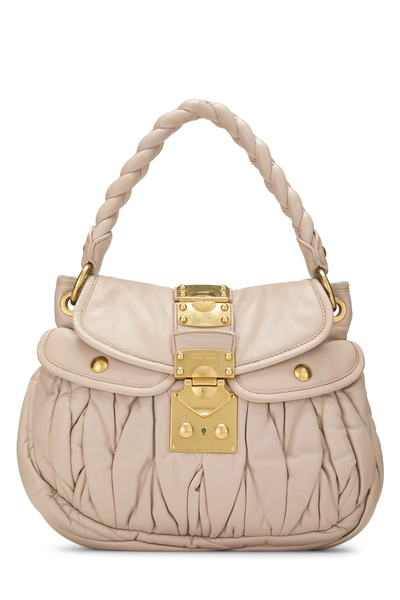
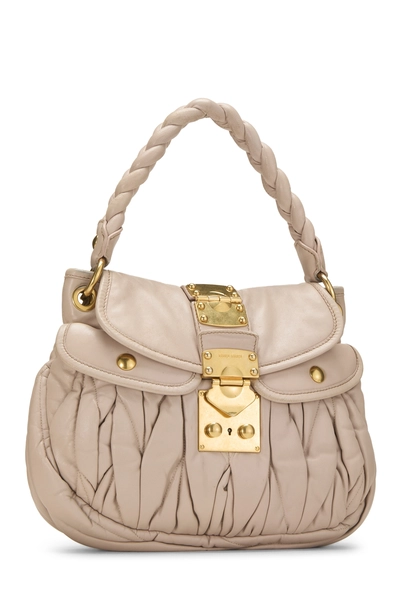
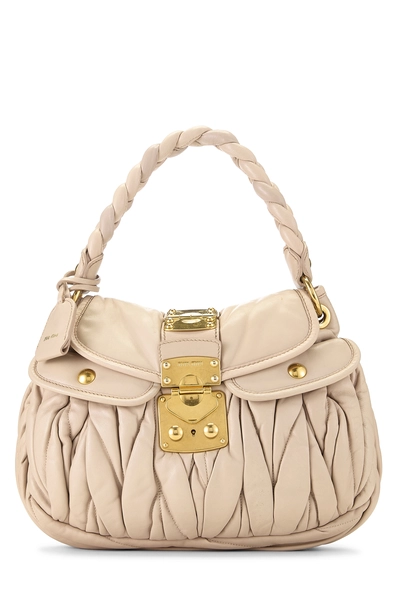
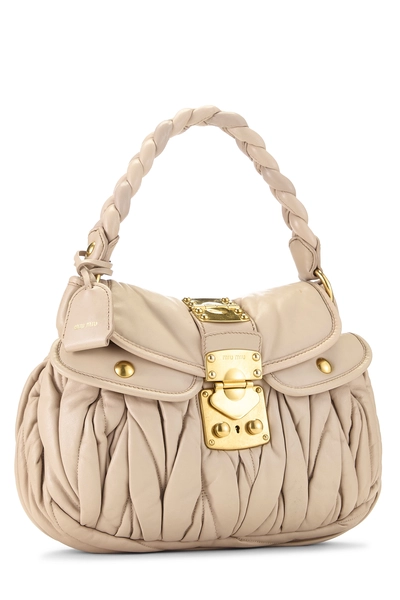
One of the house’s most recognizable modern accessories, the Wander Bag became iconic for its soft matelassé leather construction and curved silhouette inspired by early-2000s hobo bags. Its success reflects Miu Miu’s ability to revive nostalgic shapes while making them feel contemporary and culturally relevant. Frequently carried by celebrities and featured heavily across social media, the Wander Bag became closely associated with the brand’s resurgence during the early 2020s.
Miu Miu Arcadie Bag
The Arcadie Bag quickly emerged as a signature of the house due to its structured shape combined with Miu Miu’s signature matelassé texture. The contrast between classic elegance and youthful styling embodies the brand’s larger identity. Its popularity was amplified through celebrity campaigns and street-style visibility, positioning it as one of the defining luxury handbags of the decade.
Miu Miu Beau Bag
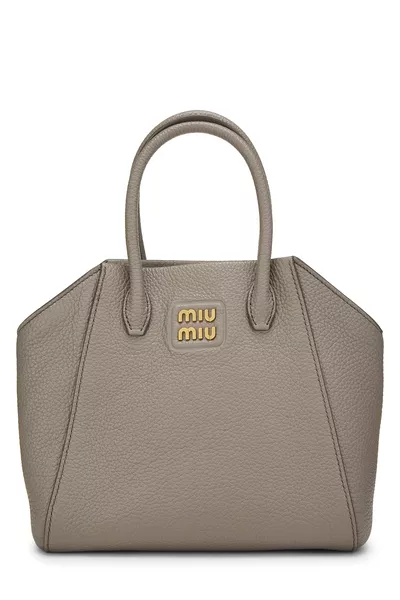
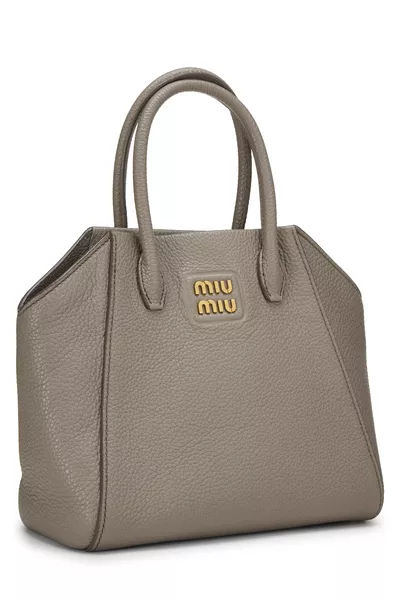
The Beau Bag became notable for channeling understated sophistication while maintaining the playful, slightly subversive energy associated with Miu Miu. Its minimalist silhouette and refined proportions marked a more mature evolution of the house’s accessory design while still retaining the brand’s youthful identity.
Miu Miu Pocket Bag
Recognized for its utilitarian-inspired exterior pockets and relaxed construction, the Pocket Bag reflects Miu Miu’s ability to merge functionality with fashion experimentation. The design became especially influential during the resurgence of archival and “lived-in” luxury aesthetics, reinforcing the house’s reputation for making imperfection appear desirable.
Shop Pre-Loved Miu Miu At WGACA
Miu Miu’s legacy extends beyond the runway, as each piece is worn, resold, and renewed. By exploring pre-owned Miu Miu, you join the brand’s ongoing evolution. Past collections remain relevant and gain new significance with every owner. What Goes Around Comes Around offers authenticated secondhand and archival pieces, inviting you to rediscover and personalize the brand’s enduring legacy.




While Prada often emphasizes discipline and precision, Miu Miu leans into unpredictability, contrast, and emotional tension. It explores ideas like innocence mixed with edge, or refinement disrupted by intentional imbalance.
Although it gained attention early on, the brand saw major cultural momentum in the early 2000s and again in the early 2020s, when runway moments and digital culture amplified its visual identity and styling approach globally.
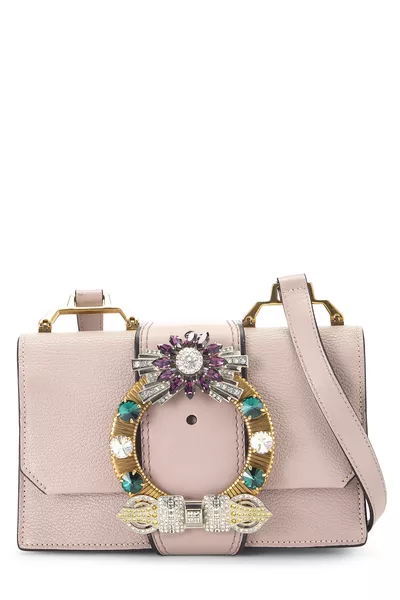
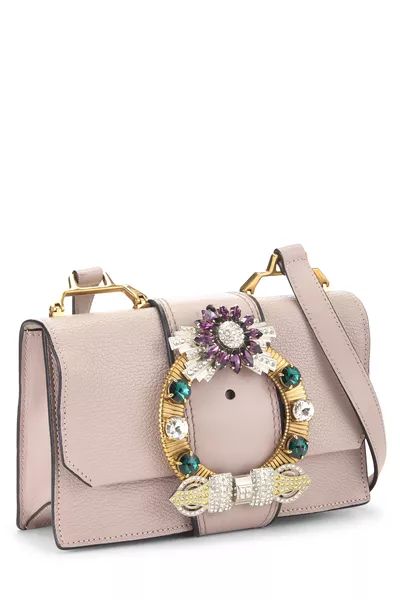
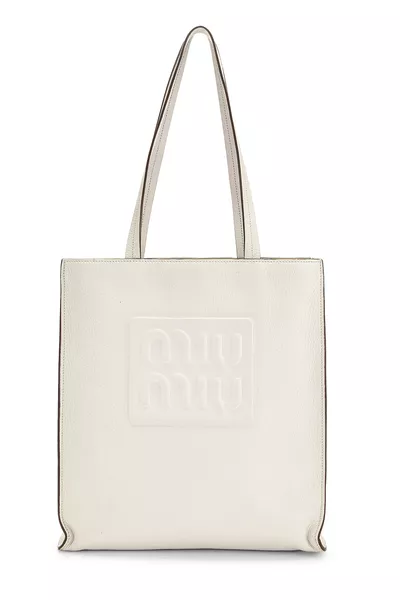
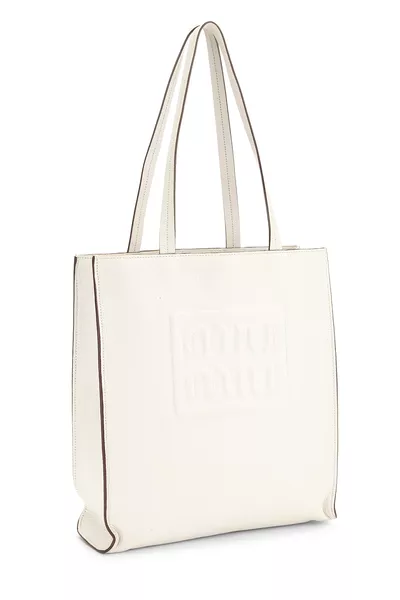
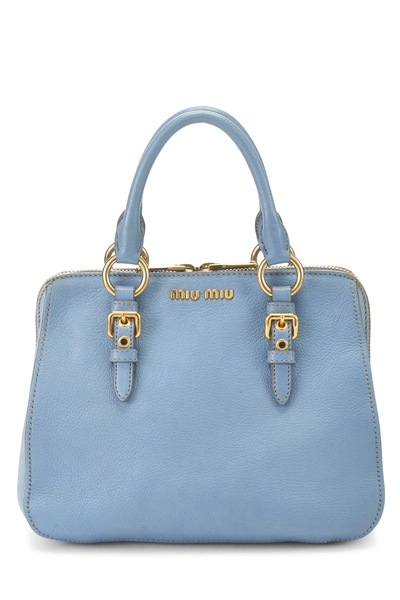
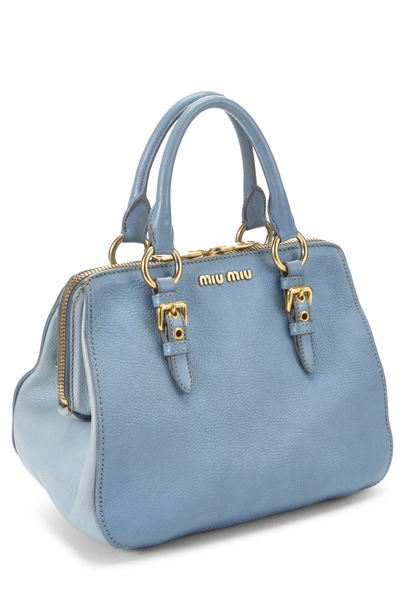
Some of the most recognizable include the Wander Bag, Arcadie Bag, Beau Bag, and Pocket Bag. Each reflects a different side of the brand’s design language, from soft and nostalgic shapes to structured and utilitarian-inspired designs.
Yes. Items sold through What Goes Around Comes Around go through an authentication process to verify legitimacy and condition before being offered for sale.
Yes. Buying pre-owned extends the lifecycle of luxury pieces, reducing waste and keeping existing garments and accessories in circulation rather than requiring new production.
What Goes Around Comes Around now offers worldwide direct shipping through DHL. Shop our site in your selected currency. Shipping fees and taxes will be added in checkout.
![flag]() USA
USA![flag]() Algeria
Algeria![flag]() Andorra
Andorra![flag]() Anguilla
Anguilla![flag]() Antigua and Barbuda
Antigua and Barbuda![flag]() Argentina
Argentina![flag]() Armenia
Armenia![flag]() Aruba
Aruba![flag]() Australia
Australia![flag]() Austria
Austria![flag]() Bahamas
Bahamas![flag]() Bahrain
Bahrain![flag]() Barbados
Barbados![flag]() Belgium
Belgium![flag]() Belize
Belize![flag]() Bermuda
Bermuda![flag]() Bolivia
Bolivia![flag]() Bosnia and Herzegovina
Bosnia and Herzegovina![flag]() British Virgin Islands
British Virgin Islands![flag]() Bulgaria
Bulgaria![flag]() Cabo Verde
Cabo Verde![flag]() Canada
Canada![flag]() Cayman Islands
Cayman Islands![flag]() Chile
Chile![flag]() China
China![flag]() Colombia
Colombia![flag]() Cook Islands
Cook Islands![flag]() Costa Rica
Costa Rica![flag]() Croatia
Croatia![flag]() Curaçao
Curaçao![flag]() Cyprus
Cyprus![flag]() Denmark
Denmark![flag]() Dominican Republic
Dominican Republic![flag]() Ecuador
Ecuador![flag]() Egypt
Egypt![flag]() El Salvador
El Salvador![flag]() Fiji
Fiji![flag]() Finland
Finland![flag]() France
France![flag]() French Polynesia
French Polynesia![flag]() Georgia
Georgia![flag]() Germany
Germany![flag]() Gibraltar
Gibraltar![flag]() Grenada
Grenada![flag]() Honduras
Honduras![flag]() Hong Kong
Hong Kong![flag]() Hungary
Hungary![flag]() Iceland
Iceland![flag]() Ireland
Ireland![flag]() Israel
Israel![flag]() Italy
Italy![flag]() Jamaica
Jamaica![flag]() Japan
Japan![flag]() Jordan
Jordan![flag]() Kuwait
Kuwait![flag]() Liechtenstein
Liechtenstein![flag]() Luxembourg
Luxembourg![flag]() Maldives
Maldives![flag]() Martinique
Martinique![flag]() Mexico
Mexico![flag]() Monaco
Monaco![flag]() Montenegro
Montenegro![flag]() Morocco
Morocco![flag]() Netherlands
Netherlands![flag]() New Zealand
New Zealand![flag]() Norway
Norway![flag]() Pakistan
Pakistan![flag]() Poland
Poland![flag]() Portugal
Portugal![flag]() Qatar
Qatar![flag]() Saudi Arabia
Saudi Arabia![flag]() Seychelles
Seychelles![flag]() Singapore
Singapore![flag]() Slovenia
Slovenia![flag]() Sri Lanka
Sri Lanka![flag]() South Korea
South Korea![flag]() Spain
Spain![flag]() Sweden
Sweden![flag]() Switzerland
Switzerland![flag]() Taiwan
Taiwan![flag]() Thailand
Thailand![flag]() Trinidad and Tobago
Trinidad and Tobago![flag]() Turkey
Turkey![flag]() Turks and Caicos Islands
Turks and Caicos Islands![flag]() United Arab Emirates
United Arab Emirates![flag]() United Kingdom
United Kingdom![flag]() Venezuela
Venezuela![flag]() Vietnam
Vietnam


