The Cultural Impact of Virgil Abloh on Fashion and Identity

Virgil Abloh, born on September 30, 1980, in Rockford, Illinois, is most known for his role as Founder/Creative Director at Off-White and as the Artistic Director of Louis Vuitton’s menswear. He was born to Ghanaian immigrant parents, Nee Abloh, who was a painter, and Eunice Abloh, who was a seamstress and taught Virgil how to use a sewing machine. Virgil Abloh drew inspiration from history, architecture, and music, often comparing his creative process to hip-hop artists who sample existing tracks to create something new. While in school, he began DJing under the name DJ Flat White and eventually gained recognition for his work. His approach to art and design reflects the same ethos that defines hip-hop.
Hip-hop is more than just a music genre, it’s a cultural movement that has influenced art, language, politics, and fashion. Emerging in the 1970s, hip-hop began as a form of expression among youth in the Bronx, New York City. Faced with economic hardship, social inequality, and limited creative outlets, these communities developed a vibrant cultural scene rooted in DJing, MCing, breakdancing, and graffiti art.
While attending the Illinois Institute of Technology in Chicago, Virgil Abloh gained attention from fellow Chicago native Kanye West for his music production skills. He was hired as the Head Creative of West’s company, Donda. In this role, Abloh designed several of Kanye’s album covers, including 808s & Heartbreak, Watch the Throne, and My Beautiful Dark Twisted Fantasy. Shortly after graduating in 2009, Abloh moved to Rome for a six-month internship at Fendi’s headquarters, where he met Michael Burke, then CEO of Fendi and now CEO of Louis Vuitton.
In 2012, Virgil Abloh launched his first fashion venture called Pyrex, a name referenced in rapper Pusha T’s song “Mr. Me Too.” Pyrex was not necessarily a traditional clothing brand, but rather an artistic experiment. Abloh purchased flannel shirts from Ralph Lauren, Hanes T-shirts, and shorts, then screen-printed them with the Pyrex logo and the number 23, a nod to fellow Chicago legend Michael Jordan. Kim Kardashian, A$AP Rocky, Kanye West, and Rita Ora were among the celebrities spotted wearing Pyrex, helping the brand gain attention. The project was short-lived and sparked controversy for marking up the garments by over 700%, but despite the backlash, the collection sold out.
Despite the criticism Pyrex received, it served as a steppingstone for Virgil Abloh’s entry into the fashion world. Later in 2012, he launched Off-White, a brand that aimed to bridge the gap between high fashion and streetwear. Off-White symbolizes the space between black and white, representing a middle ground in both style and culture.
In 2015, Abloh presented Off-White’s first runway show in Paris on his 35th birthday, titled “Off-Day.” That same year, Off-White was selected as a finalist for the LVMH Prize, a highly regarded award launched in 2013 by LVMH Moët Hennessy Louis Vuitton to recognize and support promising young fashion designers worldwide. In 2017, he also won the International Designer of the Year award at the GQ Men of the Year Awards.
In 2018, Virgil Abloh made history by becoming the first African American Artistic Director of Louis Vuitton Menswear, succeeding Kim Jones. Abloh, known for his work with Off-White and collaborations with Kanye West, brought a fresh perspective to the brand, merging streetwear aesthetics with high fashion. His appointment marked a milestone in the fashion industry, highlighting a shift towards greater diversity and inclusion in high fashion.
Louis Vuitton was founded in 1854 by Louis Vuitton in Paris, initially as a workshop for crafting high quality luggage. Recognizing the need for durable travel goods, Vuitton revolutionized the industry with his flat-topped trunks, which were easier to stack and more practical than the traditional rounded ones. This innovation laid the foundation for what would become one of the most prestigious fashion houses in the world, known for its craftsmanship, design, and cultural impact.

Michael Burke, Chairman and CEO of Louis Vuitton, voiced strong support for Virgil Abloh, recognizing his "innate creativity and bold approach" that not only reshaped fashion but made him a force in streetwear culture. During his time at Louis Vuitton, Abloh didn’t just design clothing, he connected with a new generation, one that craved innovation and authenticity. By tapping into youth culture and mastering the art of social media, he bridged gaps and made fashion feel personal. His work transcended the runway, fostering collaborations between fashion and music that changed both industries forever. Abloh’s legacy is one of inspiration and the belief that the future of fashion belongs to those who dare to break the mold.
Virgil Abloh’s Spring/Summer 2019 menswear debut for Louis Vuitton was more than just a highly anticipated collection it marked a historic shift in fashion. Located at Palais-Royal in Paris, guest sat along a gradient-colored runway that faded from white to rainbow, a nod to The Wizard of Oz. As the first black Artistic Director of Louis Vuitton menswear, Virgil used the moment to reflect his own journey and redefining what high fashion could look like through his lens. The yellow brick road symbolized a journey toward possibility and inclusion.
Virgil invited some of his close friends and cultural collaborators to walk the runway, some from the world of music such as Kid Cudi, Playboi Carti, Steve Lacy, and Dev Hynes. Virgil’s bold choices proved that high fashion could and should be connected to the culture shaping it. The clothes themselves played with fluid tailoring and workwear influences including piece like the Monogram Eclipse chain belt and the Solar Ray Utility Side Bag. Virgil Abloh used his platform at Louis Vuitton to open doors, break codes, and prove that fashion can be a powerful tool for storytelling and change.
Virgil Abloh’s Fall/Winter 2020 collection for Louis Vuitton was held at the Tuileries Garden in Paris, featuring a whimsical set design with floating clouds and oversized art supplies, creating a dreamlike atmosphere. The collection, titled "Heaven on Earth", showcasing Abloh's signature deconstructed tailoring, with suits oversized ruffles, cloud motifs, and innovative cuts. The collection modernized classic silhouettes like the Sac Plat featuring playful elements for a fresh approach.
Abloh described the collection as a reimagining of traditional menswear through the "Black Imagination," aiming to challenge the narratives around black identity in fashion. The campaign featured models like Michael Ward and Ottawa Kwami, emphasizing Abloh's commitment to representation and inclusivity. In essence, Louis Vuitton's Fall/Winter 2020 collection under Virgil Abloh was more than just a fashion show, it was a cultural statement pushing boundaries.
Virgil Abloh’s Spring/Summer 2021 Message in a Bottle collection for Louis Vuitton, presented in Shanghai featured a blend of streetwear and high fashion, featuring traditional designs with Virgil’s twist. Abloh's use of recycled and upcycled materials highlighted his commitment to sustainability, while the inclusion of elements like the brand’s trompe l’oeil prints.
The concept of the show was rooted in the idea of global connection, with Abloh introducing his new “Zoooom with Friends” vibrant, cartoon-like figures that appeared across both the clothing and accessories. A playful nod showcasing Abloh’s love of art and his ability to blend pop culture with fashion. The collection also included sculptural details, like jackets that referenced iconic landmarks such as the Eiffel Tower and the Louvre's pyramid, showcasing Abloh's architectural influences. Featuring performances from legendary artists Saul Williams and Yasiin Bey (formerly Mos Def), who brought a dynamic energy to the runway. Abloh also made history with the debut of Kai-Isaiah Jamal, the first Black, trans model to walk for Louis Vuitton.
Virgil Abloh's Fall/Winter 2021 collection for Louis Vuitton, titled Ebonics / Snake Oil / The Black Box / Mirror, Mirror, was presented through a 13-minute short film directed by Wu Tsang, the show opened with poet and musician Saul Williams reciting a monologue on a hillside in Switzerland. This setting was a direct reference to James Baldwin's essay ‘Stranger in the Village’, reflecting on Baldwin's experiences as a Black man in a predominantly white Swiss village.
The film transitioned to the Tennis Club de Paris, featuring models in green marble-clad interiors, symbolizing the blending of nature and architecture. The collection itself challenged traditional fashion norms, including notable pieces like chrome monogrammed trunk bags, transparent plastic suits, and garments adorned with airplane-shaped buttons, alluding to themes of travel and identity. A pre-launch residency of the collection was held at Louis Vuitton's SoHo store in New York City. Allowing visitors to engage with the collection firsthand, further emphasizing Abloh's commitment to blending fashion with cultural commentary.
In November 2021, Louis Vuitton presented its Spring/Summer 2022 menswear show first named “Amen Break” later changed to “Virgil Was Here”, just days after the passing of Artistic Director Virgil Abloh. Held at the Miami Marine Stadium during Art Basel, the show served as a powerful tribute to Abloh’s legacy. A hot air balloon emblazoned with the Louis Vuitton monogram floated above a tree-lined runway.
Figures like Kid Cudi, Offset, and Quavo walked the runway, reflecting Abloh’s ties to music and culture. The show closed with a moving voiceover from Abloh saying “Life is so short… know what you can do.” encouraging the audience to follow their own paths.

Virgil Abloh’s impact on Louis Vuitton extended far beyond his tenure as Men’s Artistic Director, fundamentally reshaping the House’s approach to menswear by blurring the lines among luxury, street culture, music, and art. Following his passing, Louis Vuitton honored his legacy with a tribute collection by the in-house studio, celebrating the playful silhouettes, bold colors, and cultural storytelling that defined his vision.
When Pharrell Williams was appointed Men’s Creative Director in 2023, his arrival felt less like a departure and more like a continuation of the foundation Abloh had built.
Sharing a similar multidisciplinary approach and a deep understanding of contemporary culture, Williams embraced the creative freedom Abloh championed. His debut show at Paris Fashion Week on the Pont Neuf paid homage to his predecessor’s transformative influence while introducing his own perspective, demonstrating that Abloh’s groundbreaking redefinition of luxury menswear continues to inform and inspire Louis Vuitton’s evolving identity.
Freedom is more than just a moment it’s a journey, a layered unfolding. Virgil Abloh’s life and work echoed that ongoing pursuit. He moved through the world with purpose, turning spaces that once felt out of reach into places of belonging. Through fashion, design, and culture, he told stories that weren’t always given space before stories of identity, and creative power. His legacy isn’t just about breaking barriers, it’s about reimagining what’s possible when you bring your full self into rooms that were never built with you in mind.


.WebP?sfrm=jpg&q=80)

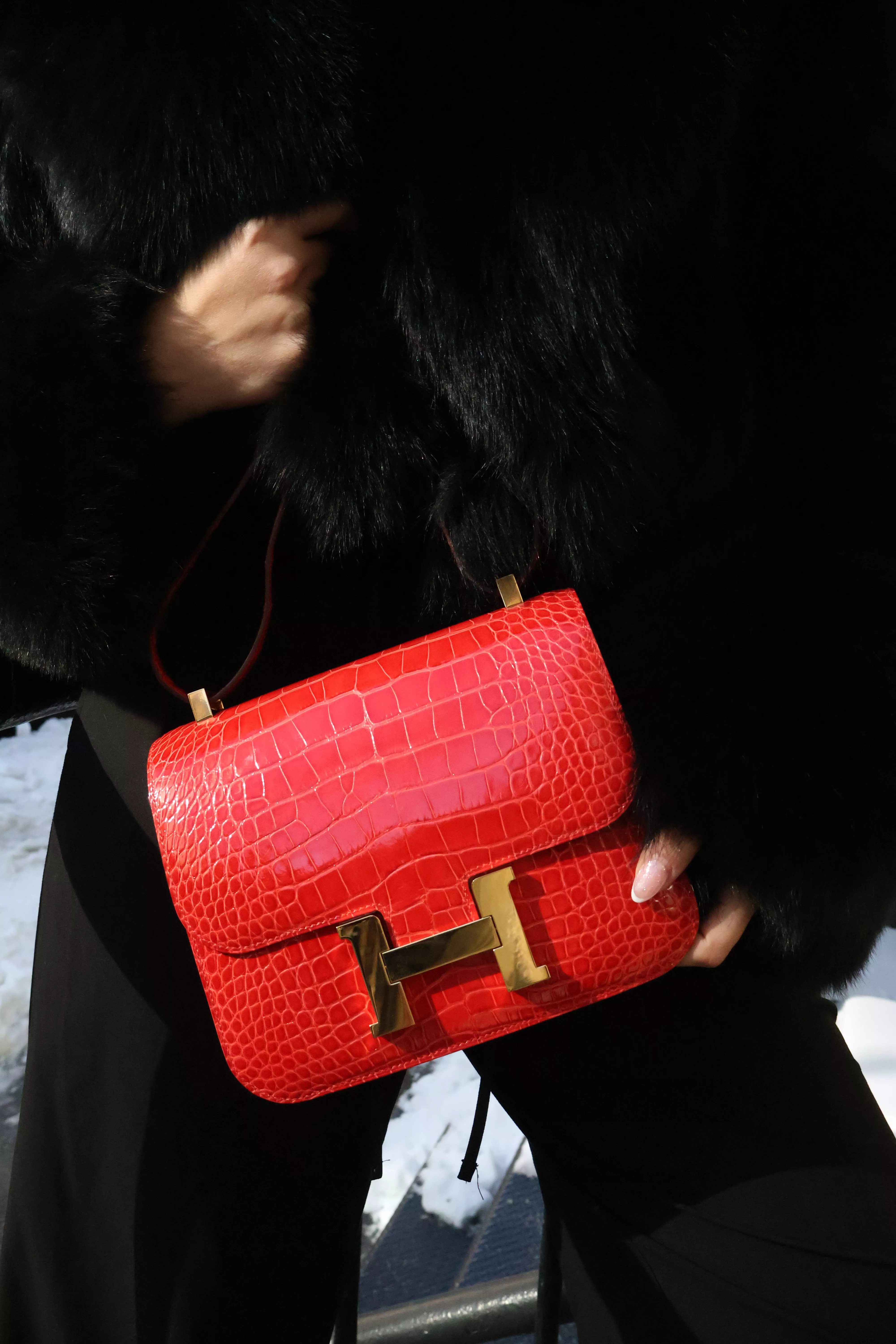
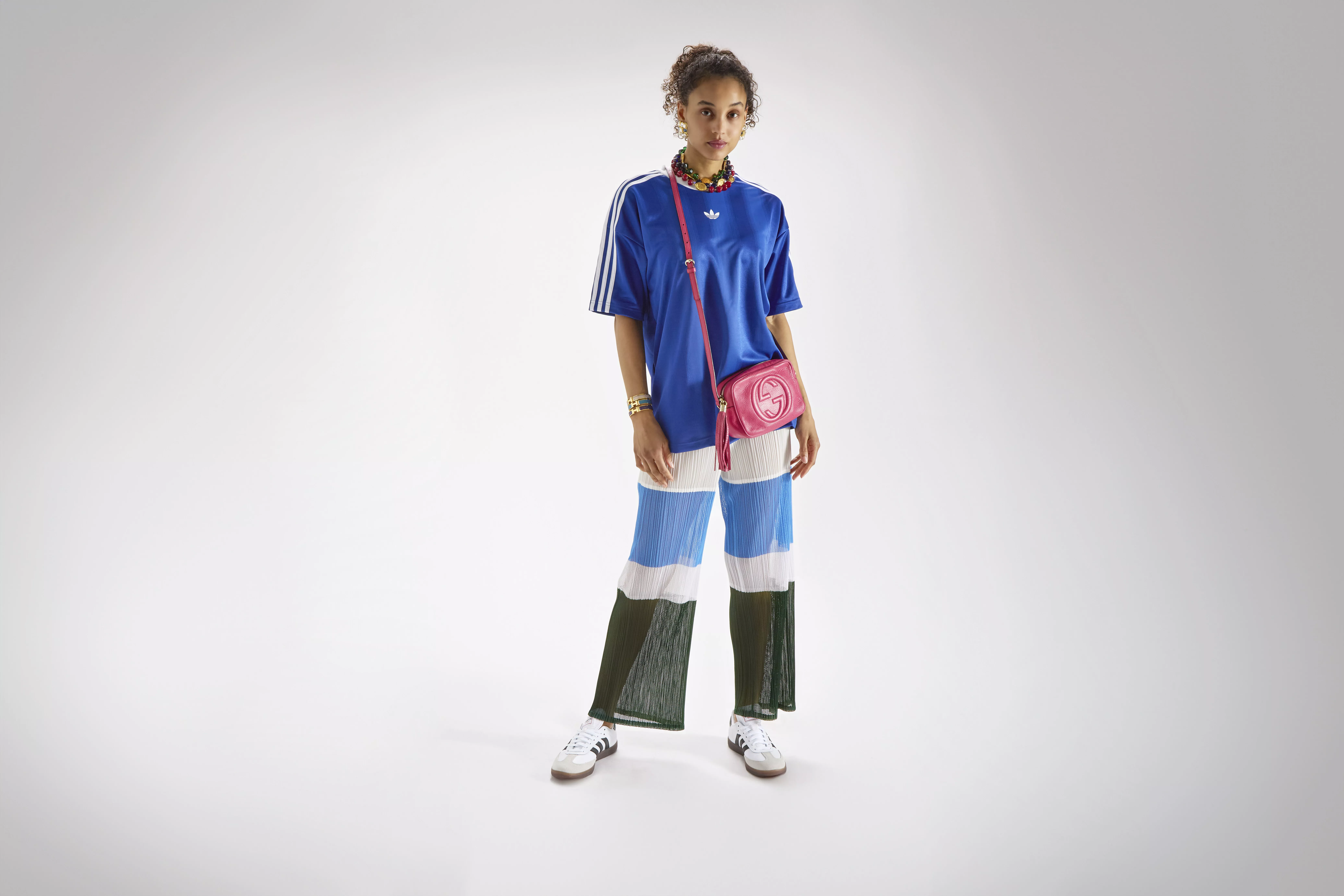
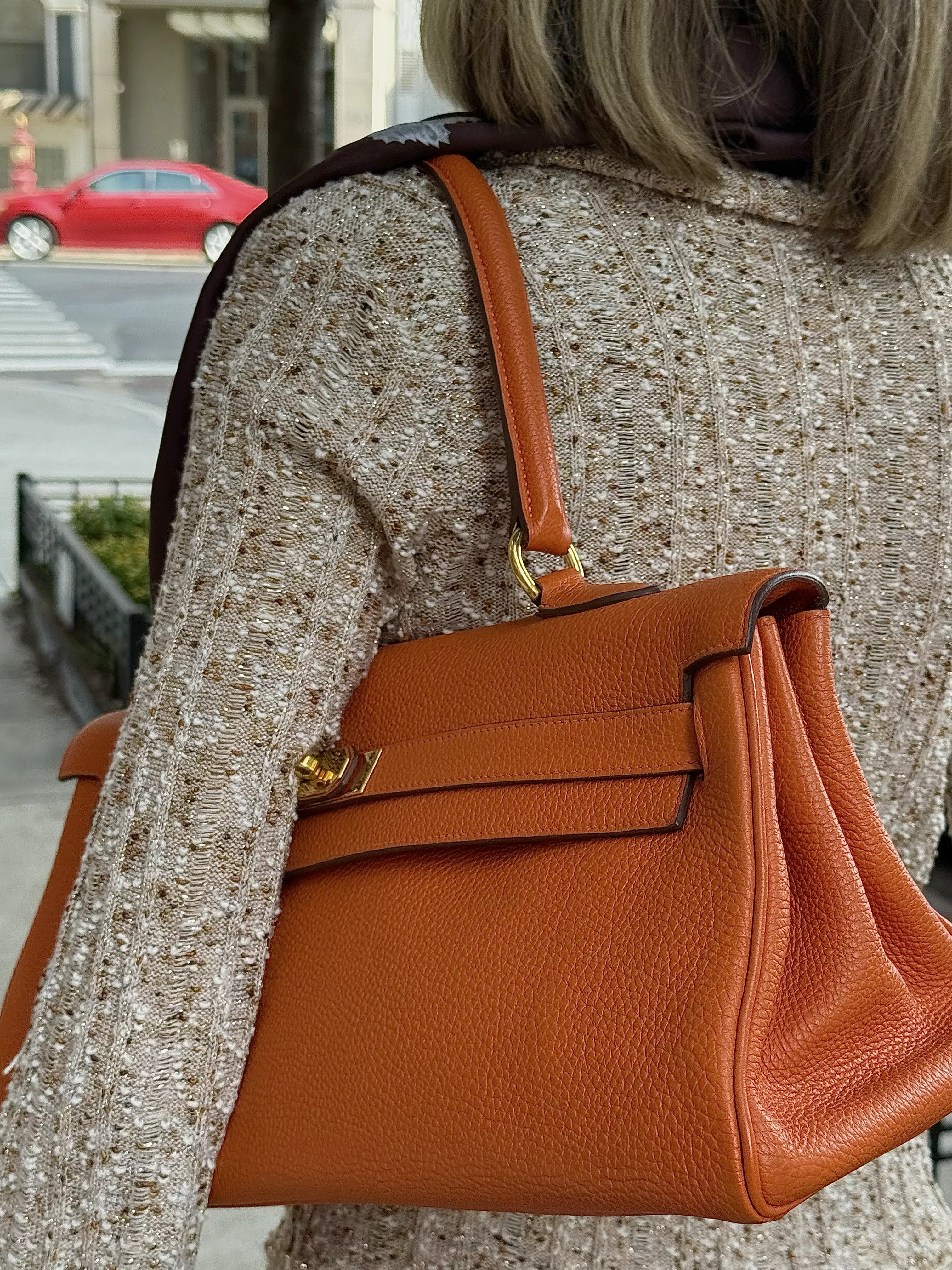
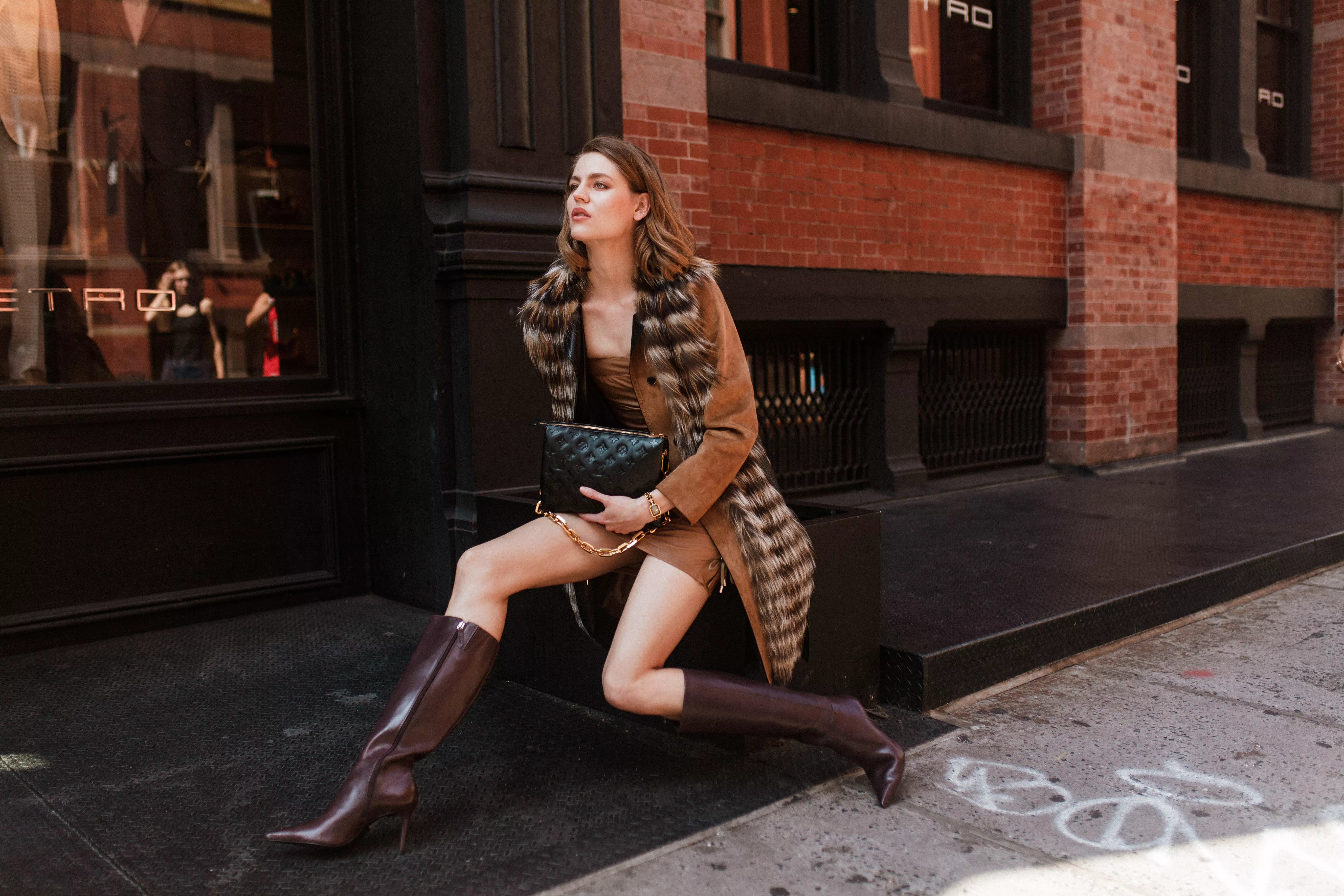
Virgil Abloh was an African American fashion designer, founder of Off-White, and Artistic Director of Louis Vuitton menswear.
They blend streetwear vibes with luxury craftsmanship, featuring unique designs and signature details that reflect Virgil’s creative vision.
He drew inspiration from history, architecture, and hip-hop culture, often comparing his work to how hip-hop artists sample music.
He drew from hip-hop, architecture, and art to create designs that told stories about identity and culture.
You can browse our website for available pieces or visit one of our retail stores in person.
What Goes Around Comes Around now offers worldwide direct shipping through DHL. Shop our site in your selected currency. Shipping fees and taxes will be added in checkout.
![flag]() USA
USA![flag]() Algeria
Algeria![flag]() Andorra
Andorra![flag]() Anguilla
Anguilla![flag]() Antigua and Barbuda
Antigua and Barbuda![flag]() Argentina
Argentina![flag]() Armenia
Armenia![flag]() Aruba
Aruba![flag]() Australia
Australia![flag]() Austria
Austria![flag]() Bahamas
Bahamas![flag]() Bahrain
Bahrain![flag]() Barbados
Barbados![flag]() Belgium
Belgium![flag]() Belize
Belize![flag]() Bermuda
Bermuda![flag]() Bolivia
Bolivia![flag]() Bosnia and Herzegovina
Bosnia and Herzegovina![flag]() British Virgin Islands
British Virgin Islands![flag]() Bulgaria
Bulgaria![flag]() Cabo Verde
Cabo Verde![flag]() Canada
Canada![flag]() Cayman Islands
Cayman Islands![flag]() Chile
Chile![flag]() China
China![flag]() Colombia
Colombia![flag]() Cook Islands
Cook Islands![flag]() Costa Rica
Costa Rica![flag]() Croatia
Croatia![flag]() Curaçao
Curaçao![flag]() Cyprus
Cyprus![flag]() Denmark
Denmark![flag]() Dominican Republic
Dominican Republic![flag]() Ecuador
Ecuador![flag]() Egypt
Egypt![flag]() El Salvador
El Salvador![flag]() Fiji
Fiji![flag]() Finland
Finland![flag]() France
France![flag]() French Polynesia
French Polynesia![flag]() Georgia
Georgia![flag]() Germany
Germany![flag]() Gibraltar
Gibraltar![flag]() Grenada
Grenada![flag]() Honduras
Honduras![flag]() Hong Kong
Hong Kong![flag]() Hungary
Hungary![flag]() Iceland
Iceland![flag]() Ireland
Ireland![flag]() Israel
Israel![flag]() Italy
Italy![flag]() Jamaica
Jamaica![flag]() Japan
Japan![flag]() Jordan
Jordan![flag]() Kuwait
Kuwait![flag]() Liechtenstein
Liechtenstein![flag]() Luxembourg
Luxembourg![flag]() Maldives
Maldives![flag]() Martinique
Martinique![flag]() Mexico
Mexico![flag]() Monaco
Monaco![flag]() Montenegro
Montenegro![flag]() Morocco
Morocco![flag]() Netherlands
Netherlands![flag]() New Zealand
New Zealand![flag]() Norway
Norway![flag]() Pakistan
Pakistan![flag]() Poland
Poland![flag]() Portugal
Portugal![flag]() Qatar
Qatar![flag]() Saudi Arabia
Saudi Arabia![flag]() Seychelles
Seychelles![flag]() Singapore
Singapore![flag]() Slovenia
Slovenia![flag]() Sri Lanka
Sri Lanka![flag]() South Korea
South Korea![flag]() Spain
Spain![flag]() Sweden
Sweden![flag]() Switzerland
Switzerland![flag]() Taiwan
Taiwan![flag]() Thailand
Thailand![flag]() Trinidad and Tobago
Trinidad and Tobago![flag]() Turkey
Turkey![flag]() Turks and Caicos Islands
Turks and Caicos Islands![flag]() United Arab Emirates
United Arab Emirates![flag]() United Kingdom
United Kingdom![flag]() Venezuela
Venezuela![flag]() Vietnam
Vietnam


