Luxury Fashion’s Sporty Turn Ahead of the 2026 World Cup
Why Sport-Inspired Luxury Fashion Is Having a Moment
Luxury fashion has long drawn inspiration from travel, leisure and athletic culture. In recent years, several major houses have leaned further into sport-inspired collections that combine technical references with elevated craftsmanship. As anticipation builds for the 2026 FIFA World Cup in the United States, this connection between luxury and sport feels especially timely. With New Jersey's MetLife Stadium set to host some of the tournament’s most significant matches, fashion’s embrace of athletic aesthetics reflects a broader cultural shift surrounding global sporting events.
Louis Vuitton’s LV Cup Collection
Among the most recognizable examples is Louis Vuitton’s LV Cup line, a collection rooted in competitive sailing and luxury travel. Originally tied to the Louis Vuitton Cup, the sailing competition that preceded the America’s Cup, the collection captured a refined nautical identity through performance-inspired outerwear, technical fabrics, and accessories designed around movement. Rather than treating sport as a novelty, Louis Vuitton positioned athletic influence within its broader narrative of craftsmanship and international travel. The collection blended maritime references with understated luxury, creating pieces that appealed to consumers interested in both performance and status.
The LV Cup line also represented an early example of luxury fashion engaging directly with competitive sport as a lifestyle category. This approach has become increasingly common across the industry, particularly as younger consumers continue to embrace sportswear as everyday fashion. The intersection of utility and exclusivity now defines many luxury collections, especially those connected to travel or major cultural events.
Chanel’s Sportline
Chanel approached sporty fashion from a different perspective with its Sport Line collection. Introduced during the late 1990s and early 2000s, the line incorporated materials and silhouettes associated with activewear while maintaining the house’s recognizable elegance. Nylon, terry cloth, mesh, and oversized logos appeared alongside classic Chanel detailing. The collection reflected the growing influence of casual dressing during that era, though it retained a distinctly polished aesthetic.
What made Chanel’s Sport Line particularly notable was its balance between practicality and prestige. The bags and apparel carried an effortless quality that contrasted with the formality often associated with luxury fashion at the time. Today, many pieces from the collection have reemerged in vintage markets and online resale platforms, fueled by renewed interest in archival sportswear and Y2K-era fashion.
Gucci x Adidas
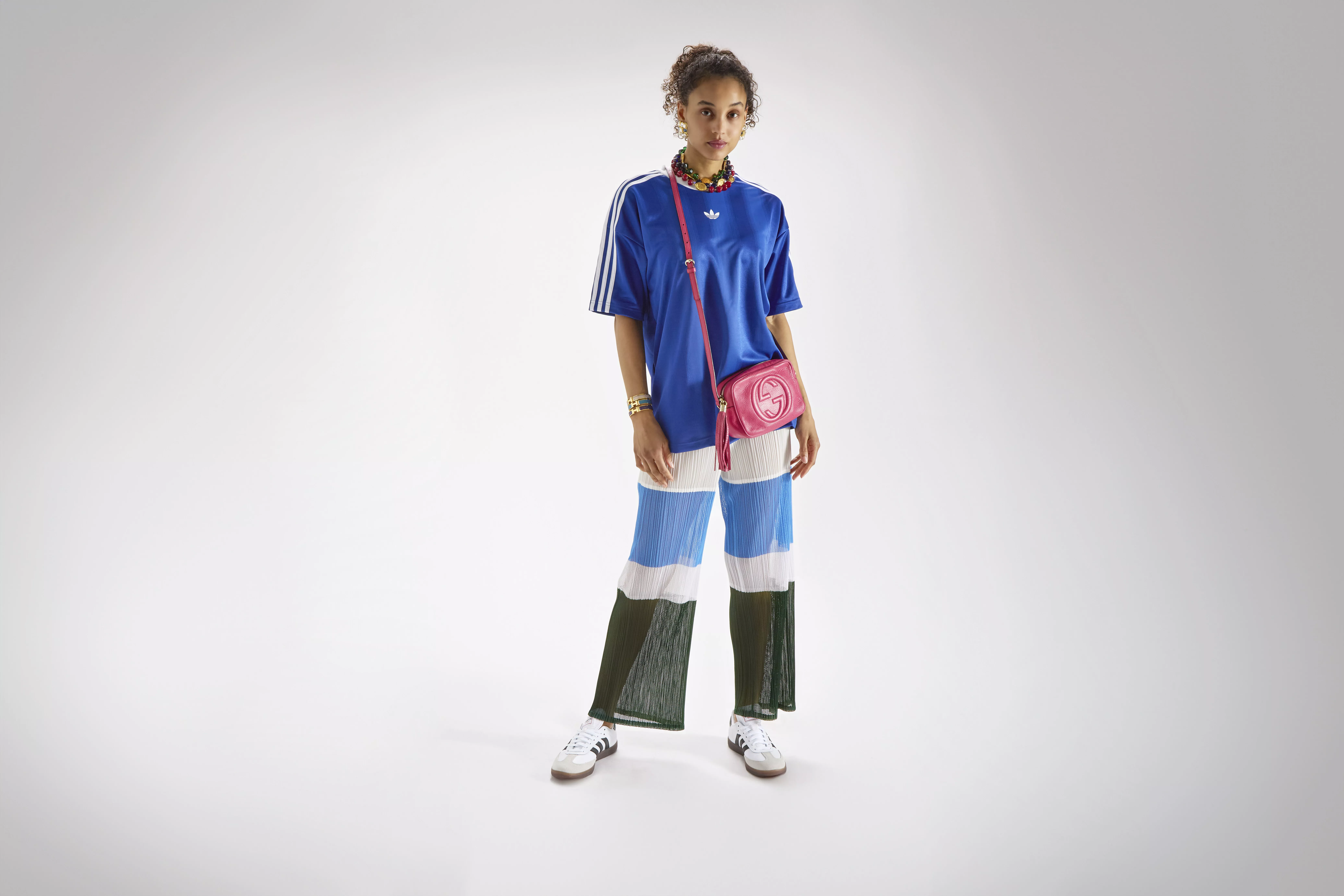
Gucci’s collaboration with Adidas further demonstrated how deeply sport has become embedded within luxury fashion strategy. The partnership merged Adidas’ recognizable athletic heritage with Gucci’s maximalist visual identity, producing apparel, footwear, and accessories that referenced vintage training uniforms and classic sports iconography. Signature adidas stripes appeared alongside Gucci monograms, while retro-inspired silhouettes reflected both streetwear and archival athletic design.
The collaboration arrived during a period when luxury brands increasingly sought relevance through cultural crossover. Sportswear companies offer authenticity and mass appeal, while fashion houses contribute exclusivity and craftsmanship. Together, these partnerships generate collections that resonate across multiple audiences, from dedicated fashion consumers to sports fans and younger shoppers engaged with sneaker and streetwear culture.
Louis Vuitton’s Sporty Fashion Accessories
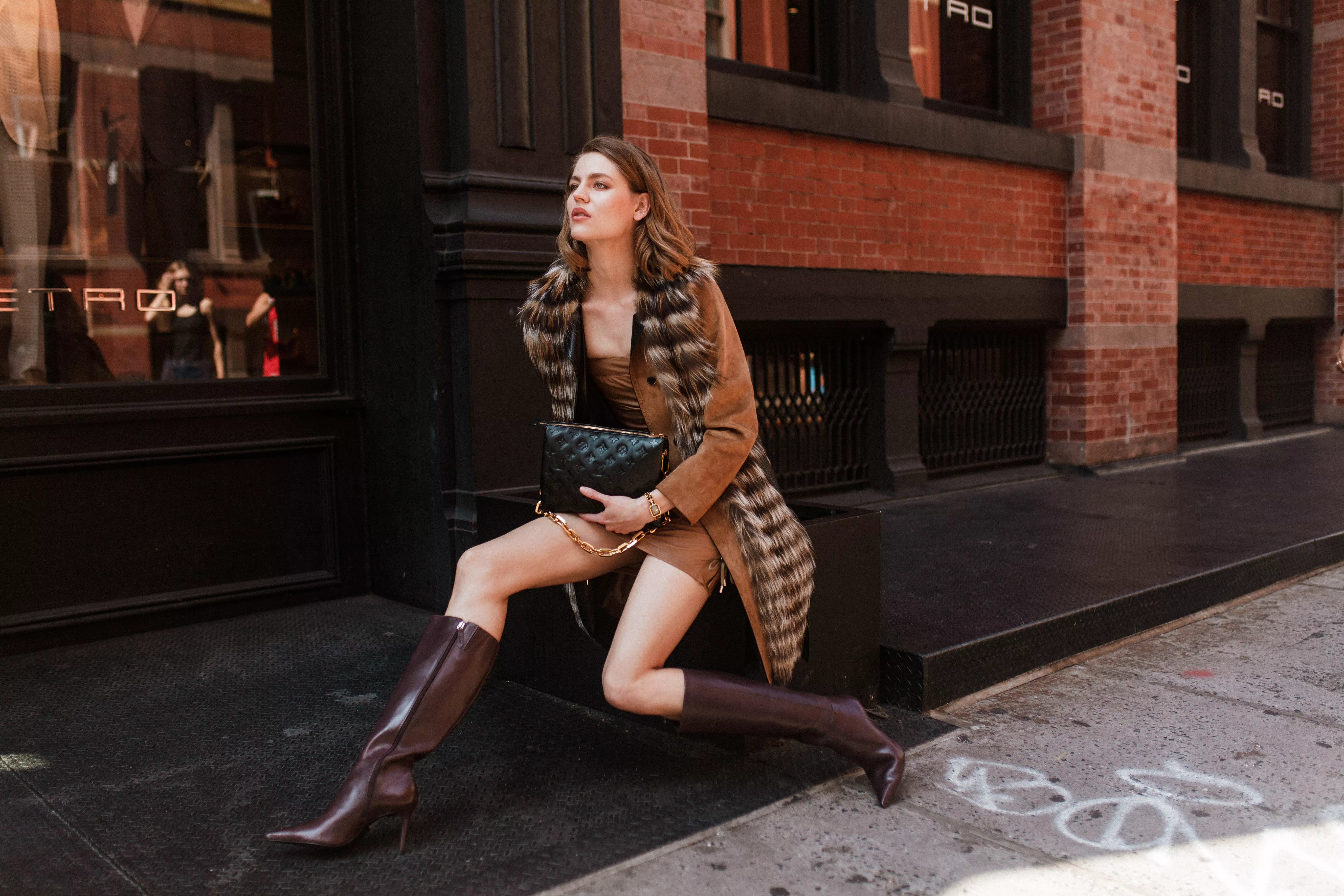
Louis Vuitton’s artist collaborations expanded this sporty direction further by transforming athletic references into collectible accessories. Several pieces incorporated themes connected to boxing, basketball, and street culture. Among the most memorable examples is the punching bag, designed by Karl Lagerfeld, which combines the shape and detailing of boxing equipment with Louis Vuitton’s iconic monogram canvas.
Perhaps the most pertinent of all sport-inspired pieces can be found in Louis Vuitton’s collaboration with FIFA in accordance with the 2018 World Cup. The bags featured a unique hexagonal, geometric pattern embossed to resemble a classic soccer ball.
The Intersection of Fashion and Sport
The rise of athlete influence within fashion has helped fuel this evolution. Luxury houses increasingly align themselves with figures from basketball, football, tennis, and motorsport, recognizing the global reach of sports audiences. These collaborations often blur the line between equipment, collectible art, and fashion accessories. The result is a category of luxury goods that feels tied to movement, competition, and cultural visibility.
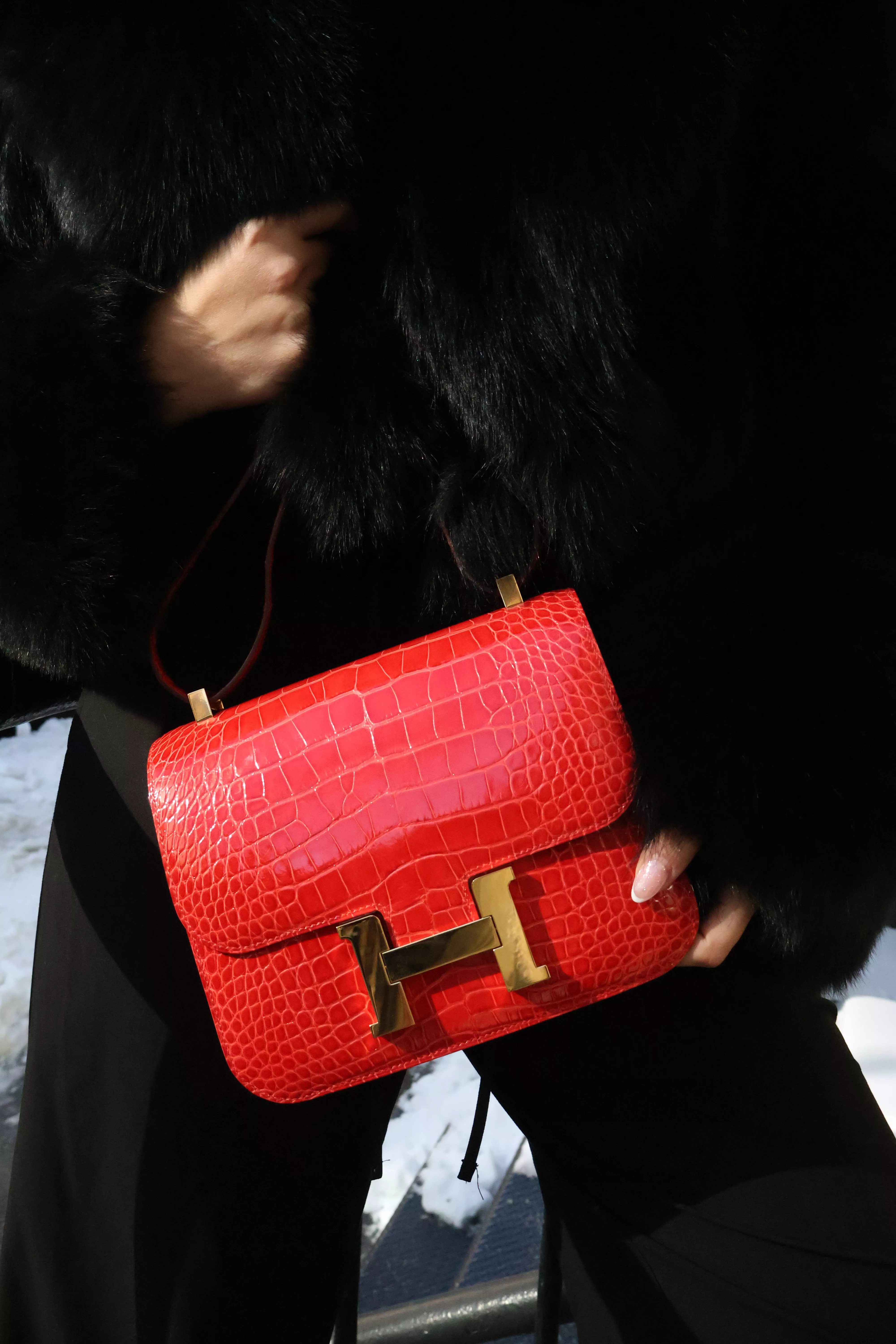
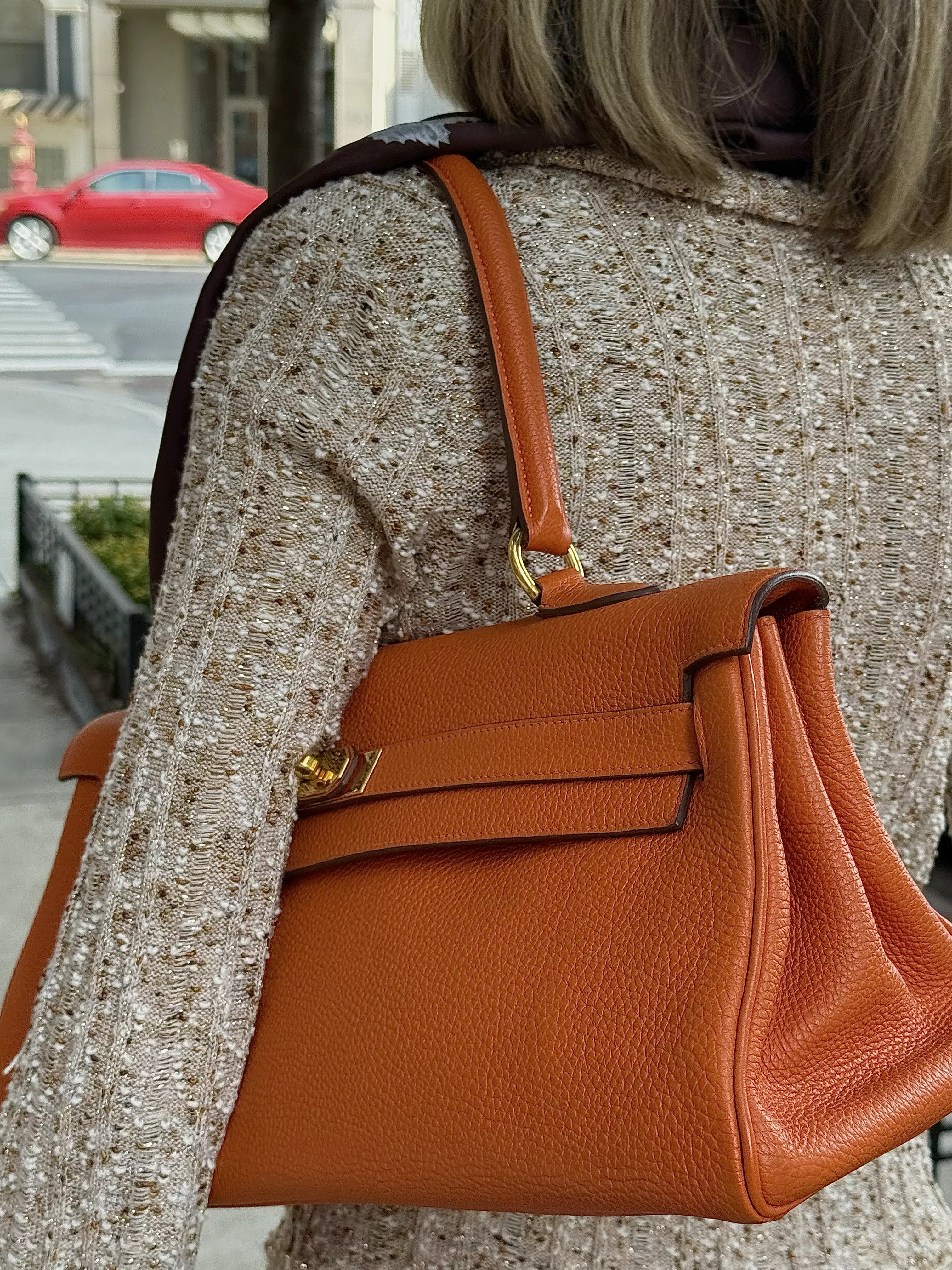
As New York and New Jersey prepare to welcome visitors from around the world, the influence of sport-inspired luxury fashion is likely to become even more visible. These pieces exist at the intersection of sport and fashion, proving that the two can co-exist and when brought together create unique and iconic fashion moments. If you’re looking to join in on the sporty fun, shop with WGACA and find the pre-owned sport-inspired piece of your dreams.


.WebP?sfrm=jpg&q=80)

The 2026 FIFA World Cup, hosted across North America, is expected to draw global attention to sports culture and international travel. As major matches take place at MetLife Stadium, luxury brands are well-positioned to capitalize on increased interest in sport-inspired fashion, creating collections that reflect the energy and visibility of global athletic events.
Yes. Louis Vuitton collaborated with FIFA around the 2018 World Cup, creating bags featuring embossed geometric patterns inspired by the classic soccer ball design. These pieces highlighted the brand’s ongoing connection to major international sporting events.
As fans and visitors gather for the tournament, sport-inspired luxury fashion is likely to gain even greater visibility. Brands may continue exploring themes of competition, travel, national identity, and athletic performance, creating pieces that celebrate the cultural significance of one of the world’s largest sporting events.
Collectors and fashion enthusiasts can explore both contemporary collections and archival designs through luxury retailers, vintage boutiques, and resale platforms. Sport-inspired pieces—from sailing-influenced outerwear to soccer-themed accessories—remain some of the most distinctive examples of luxury fashion’s ongoing relationship with athletic culture.
What Goes Around Comes Around now offers worldwide direct shipping through DHL. Shop our site in your selected currency. Shipping fees and taxes will be added in checkout.
![flag]() USA
USA![flag]() Algeria
Algeria![flag]() Andorra
Andorra![flag]() Anguilla
Anguilla![flag]() Antigua and Barbuda
Antigua and Barbuda![flag]() Argentina
Argentina![flag]() Armenia
Armenia![flag]() Aruba
Aruba![flag]() Australia
Australia![flag]() Austria
Austria![flag]() Bahamas
Bahamas![flag]() Bahrain
Bahrain![flag]() Barbados
Barbados![flag]() Belgium
Belgium![flag]() Belize
Belize![flag]() Bermuda
Bermuda![flag]() Bolivia
Bolivia![flag]() Bosnia and Herzegovina
Bosnia and Herzegovina![flag]() British Virgin Islands
British Virgin Islands![flag]() Bulgaria
Bulgaria![flag]() Cabo Verde
Cabo Verde![flag]() Canada
Canada![flag]() Cayman Islands
Cayman Islands![flag]() Chile
Chile![flag]() China
China![flag]() Colombia
Colombia![flag]() Cook Islands
Cook Islands![flag]() Costa Rica
Costa Rica![flag]() Croatia
Croatia![flag]() Curaçao
Curaçao![flag]() Cyprus
Cyprus![flag]() Denmark
Denmark![flag]() Dominican Republic
Dominican Republic![flag]() Ecuador
Ecuador![flag]() Egypt
Egypt![flag]() El Salvador
El Salvador![flag]() Fiji
Fiji![flag]() Finland
Finland![flag]() France
France![flag]() French Polynesia
French Polynesia![flag]() Georgia
Georgia![flag]() Germany
Germany![flag]() Gibraltar
Gibraltar![flag]() Grenada
Grenada![flag]() Honduras
Honduras![flag]() Hong Kong
Hong Kong![flag]() Hungary
Hungary![flag]() Iceland
Iceland![flag]() Ireland
Ireland![flag]() Israel
Israel![flag]() Italy
Italy![flag]() Jamaica
Jamaica![flag]() Japan
Japan![flag]() Jordan
Jordan![flag]() Kuwait
Kuwait![flag]() Liechtenstein
Liechtenstein![flag]() Luxembourg
Luxembourg![flag]() Maldives
Maldives![flag]() Martinique
Martinique![flag]() Mexico
Mexico![flag]() Monaco
Monaco![flag]() Montenegro
Montenegro![flag]() Morocco
Morocco![flag]() Netherlands
Netherlands![flag]() New Zealand
New Zealand![flag]() Norway
Norway![flag]() Pakistan
Pakistan![flag]() Poland
Poland![flag]() Portugal
Portugal![flag]() Qatar
Qatar![flag]() Saudi Arabia
Saudi Arabia![flag]() Seychelles
Seychelles![flag]() Singapore
Singapore![flag]() Slovenia
Slovenia![flag]() Sri Lanka
Sri Lanka![flag]() South Korea
South Korea![flag]() Spain
Spain![flag]() Sweden
Sweden![flag]() Switzerland
Switzerland![flag]() Taiwan
Taiwan![flag]() Thailand
Thailand![flag]() Trinidad and Tobago
Trinidad and Tobago![flag]() Turkey
Turkey![flag]() Turks and Caicos Islands
Turks and Caicos Islands![flag]() United Arab Emirates
United Arab Emirates![flag]() United Kingdom
United Kingdom![flag]() Venezuela
Venezuela![flag]() Vietnam
Vietnam


