The Iconic Eras of Gucci: From Guccio Gucci to Demna
Gucci Begins
Since its founding in 1921, Gucci has consistently defied convention. What began as a discreet Florentine storefront has unfolded into a sprawling narrative of craft and cultural authorship, where each decade leaves its imprint on history. Founded by Guccio Gucci, he established his eponymous artisanal luggage atelier, drawing inspiration from his experience as a porter at The Savoy hotel in London.
In the early years of the House, Guccio Gucci proved that limitation could be the ultimate catalyst for innovation. Faced with material shortages during the League of Nations' embargo against Italy, the “Diamante” canvas fabric emerged and became one of the first distinctive elements of the House, marked by its emblematic diamond motif. The Bamboo motif emerged in 1947 under similar circumstances: as World War II ended, Gucci artisans were searching for alternative materials and discovered that Japanese bamboo could be used to create distinctive design accents, resulting in the iconic “Bamboo 1947” bag.
Icons and Reinvention
Few bags carry the weight of legend quite like the Jackie and the Diana. The Jackie was born in the 1960s as the “Constance,” but it earned its iconic status when Jacqueline Kennedy slung it effortlessly over her arm. Decades later, the Diana arrived, named for Princess Diana, made from a design featuring the house’s signature bamboo motif. To hold a Jackie or a Diana is to hold a piece of history, a moment where personal style became public legend and Gucci’s mastery of marrying heritage with desire.
By the late 1980s, Gucci was a brand in crisis. Sales were plummeting, creativity had stalled and the iconic double-G logo risked becoming little more than a relic of its former glory. Enter Dawn Mello, the brand’s creative director, whose mission was less about reinvention than survival. She mined Gucci’s storied past, producing collections that reminded the world of its timelessness, keeping loyal customers engaged. Yet even her steady hand could not last forever, and when Mello departed, Gucci was left adrift, the future of the house uncertain and the fashion world holding its breath.
It was in this void that Tom Ford would rise, poised to redefine Gucci entirely. Hired initially to design women’s ready-to-wear, Ford quickly became the brand’s creative nucleus, extending his reach to men’s wear, shoes, advertising, store design, essentially every facet of the house. Working relentless eighteen-hour days, he infused Gucci with a bold, seductive vision that clashed with Maurizio Gucci’s more conservative instincts but ultimately propelled the brand back into the stratosphere.
Entering Different Eras
When Ford took the reins as Creative Director of Gucci in 1994, the brand was at a crossroads. Gucci had become mired in internal conflict and a diluted identity; Ford didn’t just design for Gucci, he reimagined it.
Ford’s vision extended far beyond clothing. He understood that Gucci’s power lay not only in its craftsmanship but in its image, aura and cultural resonance. Leather handbags, shoes and accessories became instant status symbols, coveted by Hollywood stars and the global elite.
The legacy of Tom Ford’s era is enduring. He demonstrated that heritage brands could evolve without losing their soul, that luxury could be daring and modern while respecting its roots. Even after his departure in 2004, the imprint of Ford’s vision remained: Gucci continued to embrace boldness, glamour and a testament to how one designer’s audacity can redefine an entire brand.
Then Frida Giannini came in 2006, and the tone shifted. Where Ford dramatized, Giannini refined. She looked back into the archives and pulled forward treasures like the Bamboo bag, the GG motif and pieces reimagined for a new generation. Her Gucci felt lived-in yet aspirational, clothes and accessories people wanted to wear, not just admire. Under Giannini, the brand still commanded attention, but it did so with nuance and poise. Introducing signature motifs like Guccissima and Microguccissima along with iconic collections like the Sukey and Soho collection.
In 2015, Alessandro Michele's took over the reigns as creative director and his designs combined eras and aesthetics, creating collections that would go on to become unmistakably Gucci. Michele has transformed Gucci into a living, breathing performance piece, introducing iconic collections like the GG Marmont,Dionysus bag, Ophidia collection and more.
When Sabato De Sarno took the helm of Gucci in 2023, he was tasked with recalibrating the house after Alessandro Michele’s maximalist, fantastical era. His collections emphasized craftsmanship, functionality and a wardrobe-ready elegance, aiming to make Gucci’s flamboyant legacy more accessible to contemporary consumers. Though his tenure was brief, it marked a transitional phase, balancing heritage and modernity while setting the stage for the brand’s next creative chapter.
Demna took over Gucci in 2025 and approached the house with a rarely seen mix of reverence. His early collections fuse Gucci’s heritage with his own avant-garde sensibility, oversized silhouettes, streetwise energy and conceptual storytelling, yet his latest show surprised critics by channeling a distinctly Tom Ford–era aesthetic. Sleek tailoring, sensual lines, and sharp glamour emerged alongside Demna’s experimental touches, proving he can honor the house’s seductive past while rewriting its future.
A Century of Reinvention
From Guccio Gucci’s Florentine luggage to Demna’s avant-garde reinterpretations, the house has never settled for the predictable. Each era, Ford’s provocative glamour, Giannini’s refined heritage, Michele’s maximalist fantasies, reflects not just fashion but the spirit of its time. Heritage motifs like the Bamboo bag and GG canvas coexist seamlessly with experimental silhouettes and conceptual storytelling, proving that luxury can be both reverent and rebellious.
Under each creative vision, Gucci remains a stage for imagination, craftsmanship and boldness, defining eras rather than following them. As the house continues to evolve, it stands as a testament to the enduring power of style, narrative, and audacity, forever rewriting what it means to be iconic.


.WebP?sfrm=jpg&q=80)

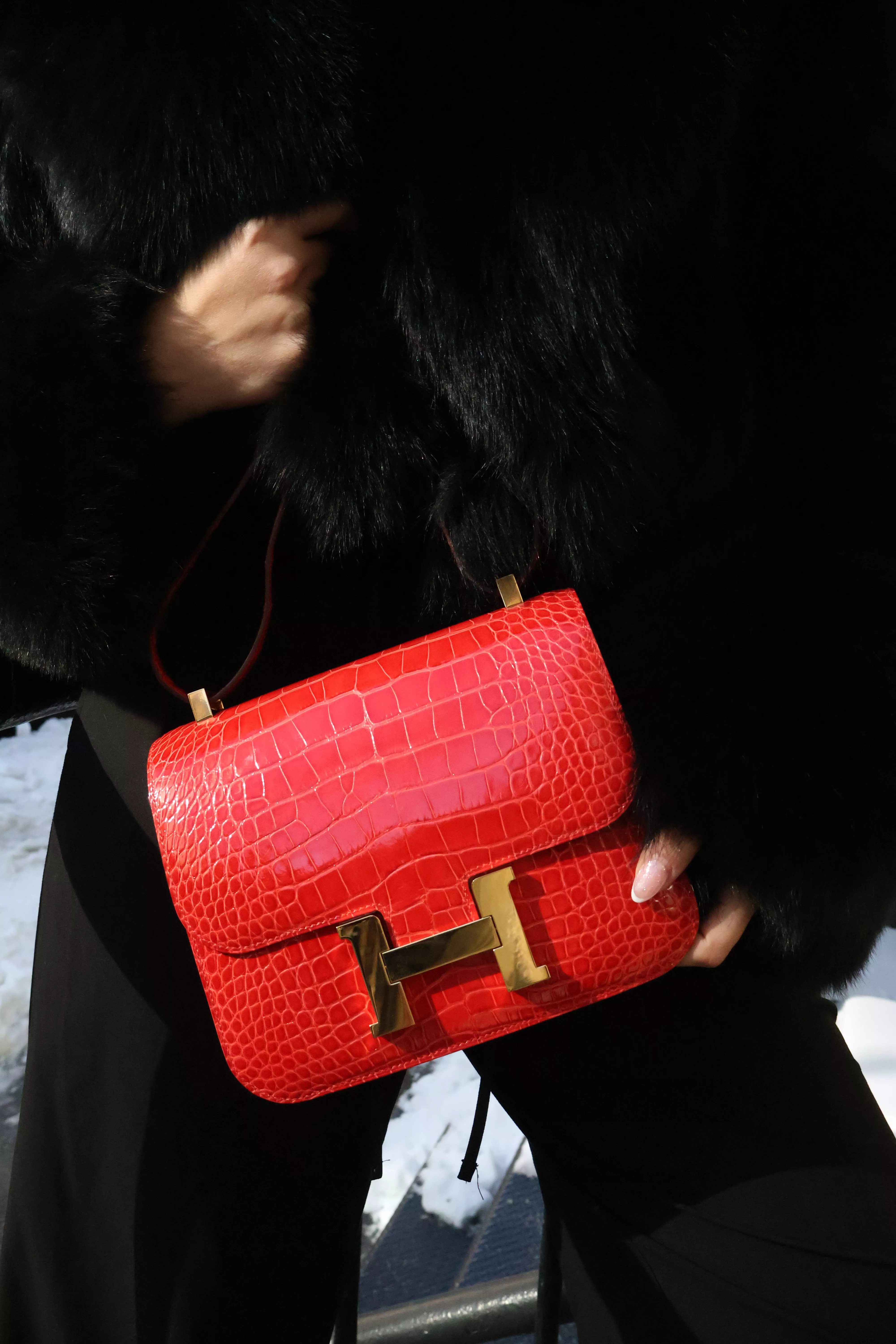
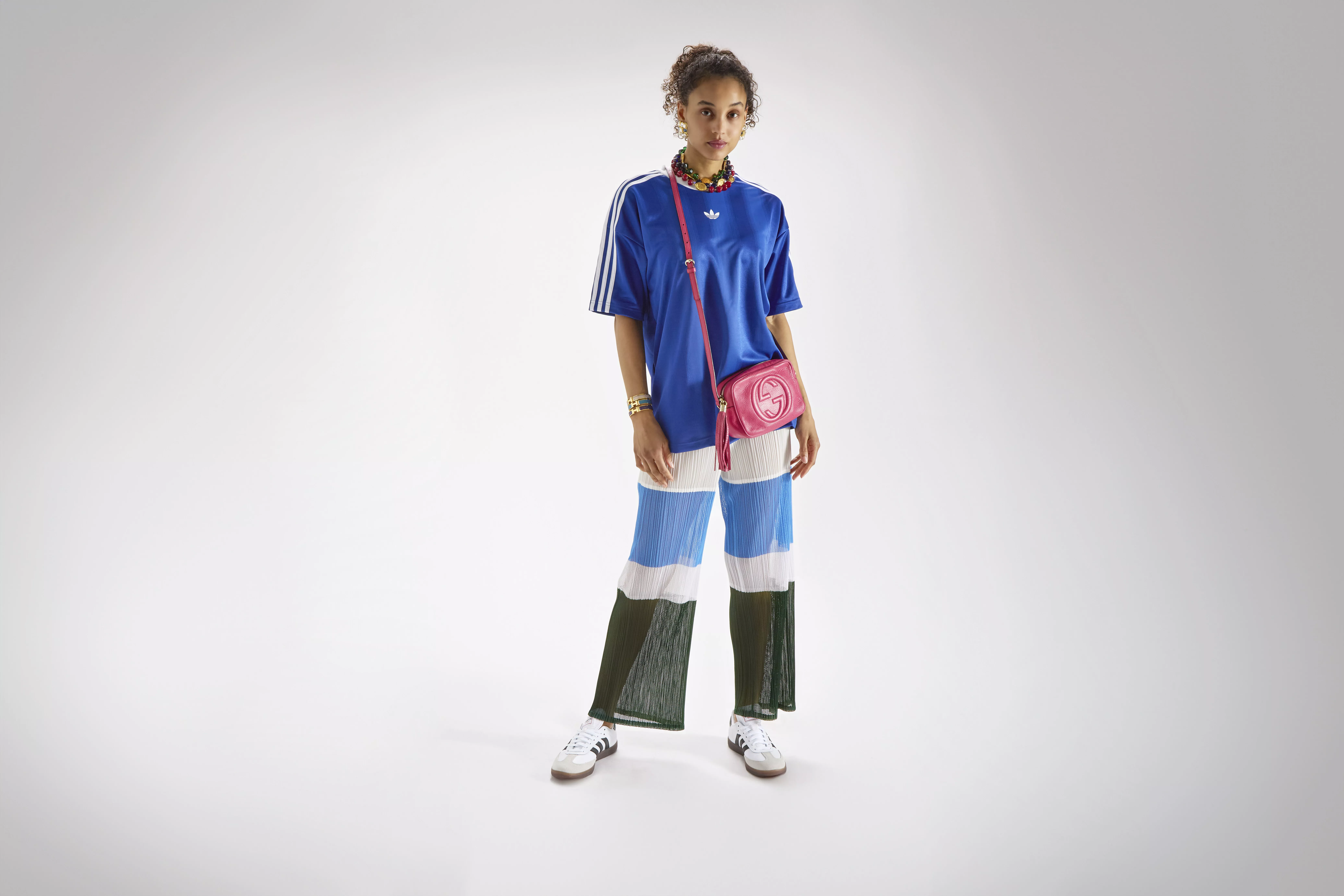
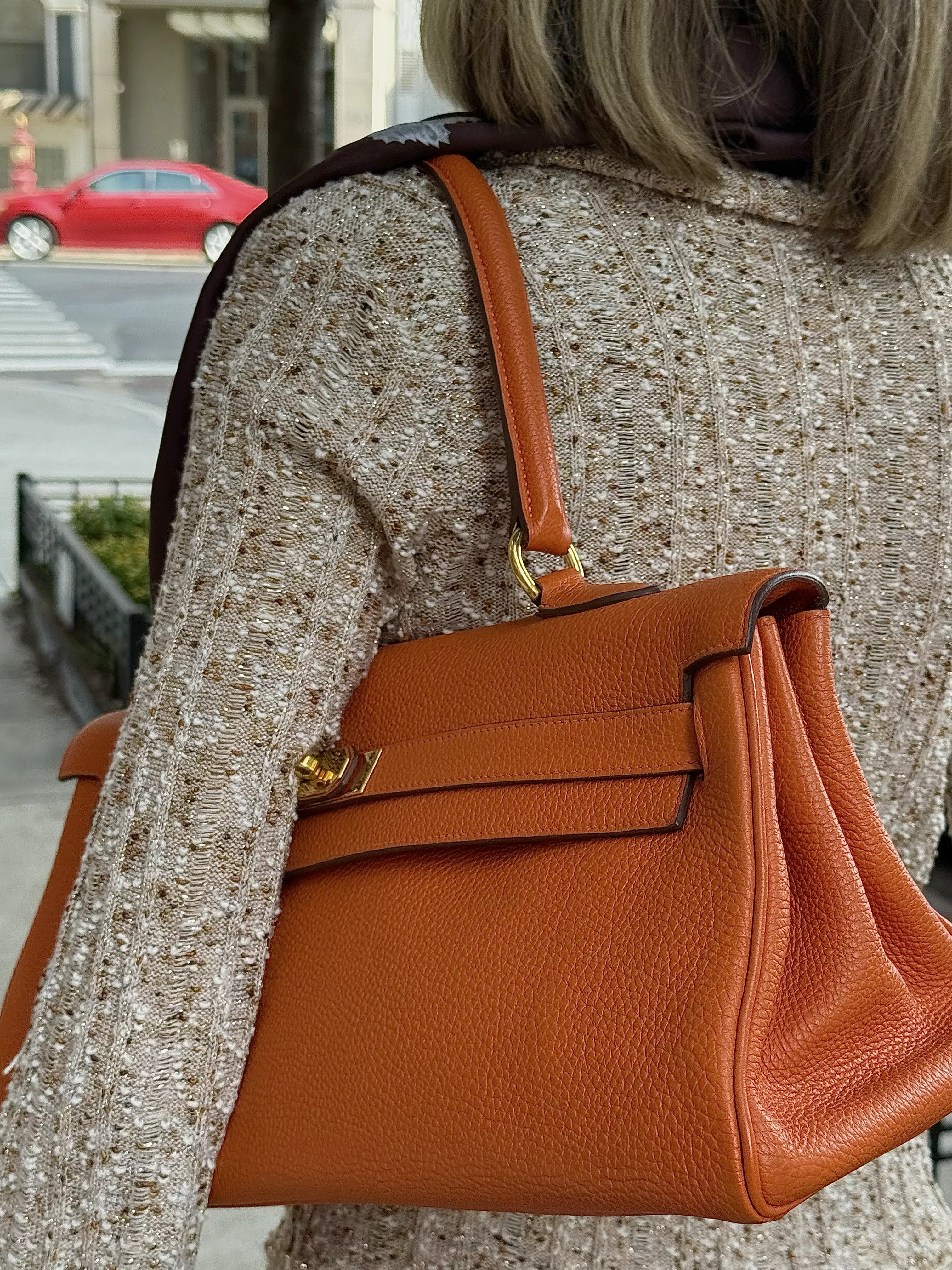
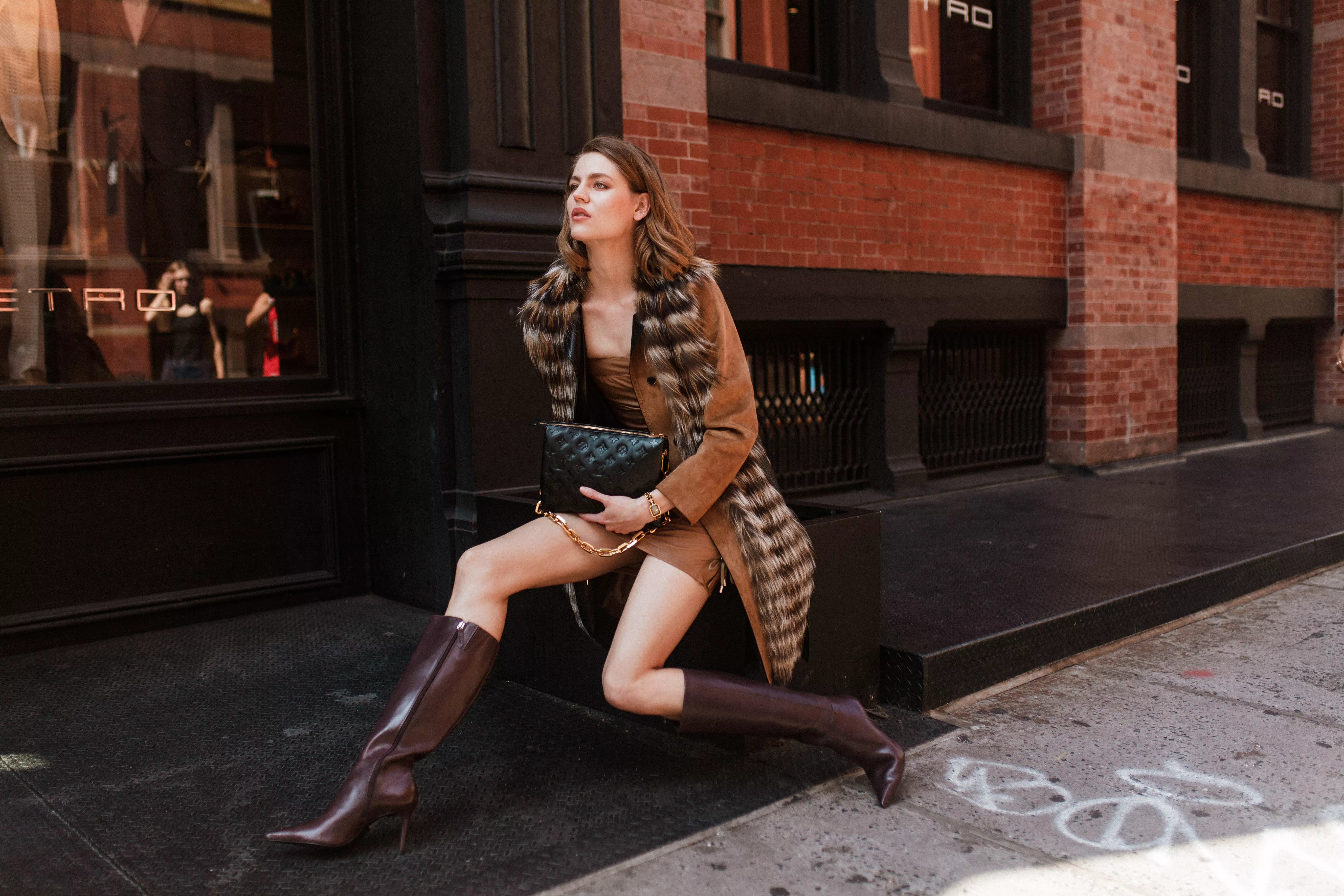
Guccio was a Florentine artisan who drew inspiration from his time as a porter at The Savoy Hotel in London, blending craftsmanship with luxury design.
Some of Gucci’s most legendary bags include the Jackie, famously worn by Jacqueline Kennedy, the Diana, named after Princess Diana, the Bamboo bag, the GG Marmont and the Dionysus and Ophidia collections.
Gucci bags are defined by their craftsmanship, iconic motifs, and ability to balance heritage with innovation. Materials like bamboo, GG canvas, and leather are paired with unique silhouettes and thoughtful details, making each piece instantly recognizable
Many classic Gucci bags (Jackie, Bamboo, Dionysus, GG Marmont) retain or even increase in value over time, especially vintage or limited-edition pieces. Their enduring popularity makes them collector-worthy.
What Goes Around Comes Around now offers worldwide direct shipping through DHL. Shop our site in your selected currency. Shipping fees and taxes will be added in checkout.
![flag]() USA
USA![flag]() Algeria
Algeria![flag]() Andorra
Andorra![flag]() Anguilla
Anguilla![flag]() Antigua and Barbuda
Antigua and Barbuda![flag]() Argentina
Argentina![flag]() Armenia
Armenia![flag]() Aruba
Aruba![flag]() Australia
Australia![flag]() Austria
Austria![flag]() Bahamas
Bahamas![flag]() Bahrain
Bahrain![flag]() Barbados
Barbados![flag]() Belgium
Belgium![flag]() Belize
Belize![flag]() Bermuda
Bermuda![flag]() Bolivia
Bolivia![flag]() Bosnia and Herzegovina
Bosnia and Herzegovina![flag]() British Virgin Islands
British Virgin Islands![flag]() Bulgaria
Bulgaria![flag]() Cabo Verde
Cabo Verde![flag]() Canada
Canada![flag]() Cayman Islands
Cayman Islands![flag]() Chile
Chile![flag]() China
China![flag]() Colombia
Colombia![flag]() Cook Islands
Cook Islands![flag]() Costa Rica
Costa Rica![flag]() Croatia
Croatia![flag]() Curaçao
Curaçao![flag]() Cyprus
Cyprus![flag]() Denmark
Denmark![flag]() Dominican Republic
Dominican Republic![flag]() Ecuador
Ecuador![flag]() Egypt
Egypt![flag]() El Salvador
El Salvador![flag]() Fiji
Fiji![flag]() Finland
Finland![flag]() France
France![flag]() French Polynesia
French Polynesia![flag]() Georgia
Georgia![flag]() Germany
Germany![flag]() Gibraltar
Gibraltar![flag]() Grenada
Grenada![flag]() Honduras
Honduras![flag]() Hong Kong
Hong Kong![flag]() Hungary
Hungary![flag]() Iceland
Iceland![flag]() Ireland
Ireland![flag]() Israel
Israel![flag]() Italy
Italy![flag]() Jamaica
Jamaica![flag]() Japan
Japan![flag]() Jordan
Jordan![flag]() Kuwait
Kuwait![flag]() Liechtenstein
Liechtenstein![flag]() Luxembourg
Luxembourg![flag]() Maldives
Maldives![flag]() Martinique
Martinique![flag]() Mexico
Mexico![flag]() Monaco
Monaco![flag]() Montenegro
Montenegro![flag]() Morocco
Morocco![flag]() Netherlands
Netherlands![flag]() New Zealand
New Zealand![flag]() Norway
Norway![flag]() Pakistan
Pakistan![flag]() Poland
Poland![flag]() Portugal
Portugal![flag]() Qatar
Qatar![flag]() Saudi Arabia
Saudi Arabia![flag]() Seychelles
Seychelles![flag]() Singapore
Singapore![flag]() Slovenia
Slovenia![flag]() Sri Lanka
Sri Lanka![flag]() South Korea
South Korea![flag]() Spain
Spain![flag]() Sweden
Sweden![flag]() Switzerland
Switzerland![flag]() Taiwan
Taiwan![flag]() Thailand
Thailand![flag]() Trinidad and Tobago
Trinidad and Tobago![flag]() Turkey
Turkey![flag]() Turks and Caicos Islands
Turks and Caicos Islands![flag]() United Arab Emirates
United Arab Emirates![flag]() United Kingdom
United Kingdom![flag]() Venezuela
Venezuela![flag]() Vietnam
Vietnam


