Earth Day Luxury Fashion Guide: Sustainable Designer Brands & Why Pre-Loved Is the Future
Why Earth Day Still Matters in Fashion
Earth Day, celebrated on April 22, is a global event dedicated to environmental protection and sustainability. Founded in 1970 by U.S. Senator Gaylord Nelson following a massive oil spill, it aims to promote environmental education and actionable climate solutions.
Sustainability in luxury fashion has shifted from a niche idea to a central design philosophy, and several major houses are leading the way with materials, sourcing, and circular practices.
The connection between these luxury brands and resale platforms highlights a broader shift in fashion culture. Sustainability is no longer just about how something is made. It is also about how long it lasts and how many lives it can have. Earth Day serves as a reminder that the most responsible wardrobe is one that balances innovation with preservation, embracing both forward-thinking materials and the enduring value of what already exists.
Gucci, Prada & Luxury Brands Leading Sustainable Fashion
Gucci Off The Grid and Circular Luxury
Gucci has made one of the most visible commitments through its “Off the Grid” collection. This line uses recycled nylon made from regenerated fishing nets and textile waste, along with eco-friendly trim and packaging. It reflects a broader initiative under the brand’s “circular lines” strategy, where waste is treated as a resource. Gucci’s approach blends its signature maximalist aesthetic with responsible production, proving that sustainability does not require sacrificing identity.
Prada Re-Nylon and Regenerated Materials
Prada introduced the “Re-Nylon” collection, which reimagines its iconic nylon bags and apparel using regenerated materials sourced from ocean plastics and industrial waste. The project stands out because it transforms one of Prada’s most recognizable fabrics into a symbol of environmental accountability. “Re-Nylon” pieces are designed to be timeless, reinforcing the idea that durability is a key part of sustainability.
Balenciaga’s Recycled and Upcycled Design Approach
Balenciaga has taken a more experimental route, incorporating recycled and bio-based materials. Balenciaga has also explored upcycling deadstock fabrics in limited runs. The brand’s approach aligns with its disruptive identity, challenging both design norms and production expectations while reducing environmental impact.
Vivienne Westwood’s Legacy of Sustainable Activism
Vivienne Westwood has long been a pioneer of eco-conscious fashion. Collections such as the “Reduce Reuse Recycle” initiatives emphasize low-impact materials, ethical sourcing, and political messaging around climate change. Westwood’s work consistently ties fashion to activism, encouraging consumers to buy less and choose well. Her designs often incorporate repurposed fabrics and traditional techniques, reinforcing longevity over trend cycles.
Stella McCartney’s Leadership in Ethical Luxury
Stella McCartney remains one of the most influential leaders in sustainable luxury. Her collections routinely feature innovations like mushroom-based leather alternatives, recycled cashmere, and regenerative cotton. Stella McCartney’s brand ethos is rooted in cruelty-free and circular design, proving that luxury can be both ethical and cutting-edge.
Beyond new collections, sustainability in fashion increasingly depends on circular consumption. Shopping pre-loved extends the lifecycle of the pieces and reduces demand for new production.
Why Buying Vintage and Pre-Loved is the Most Sustainable Choice
Shop Curated Vintage Luxury with WGACA
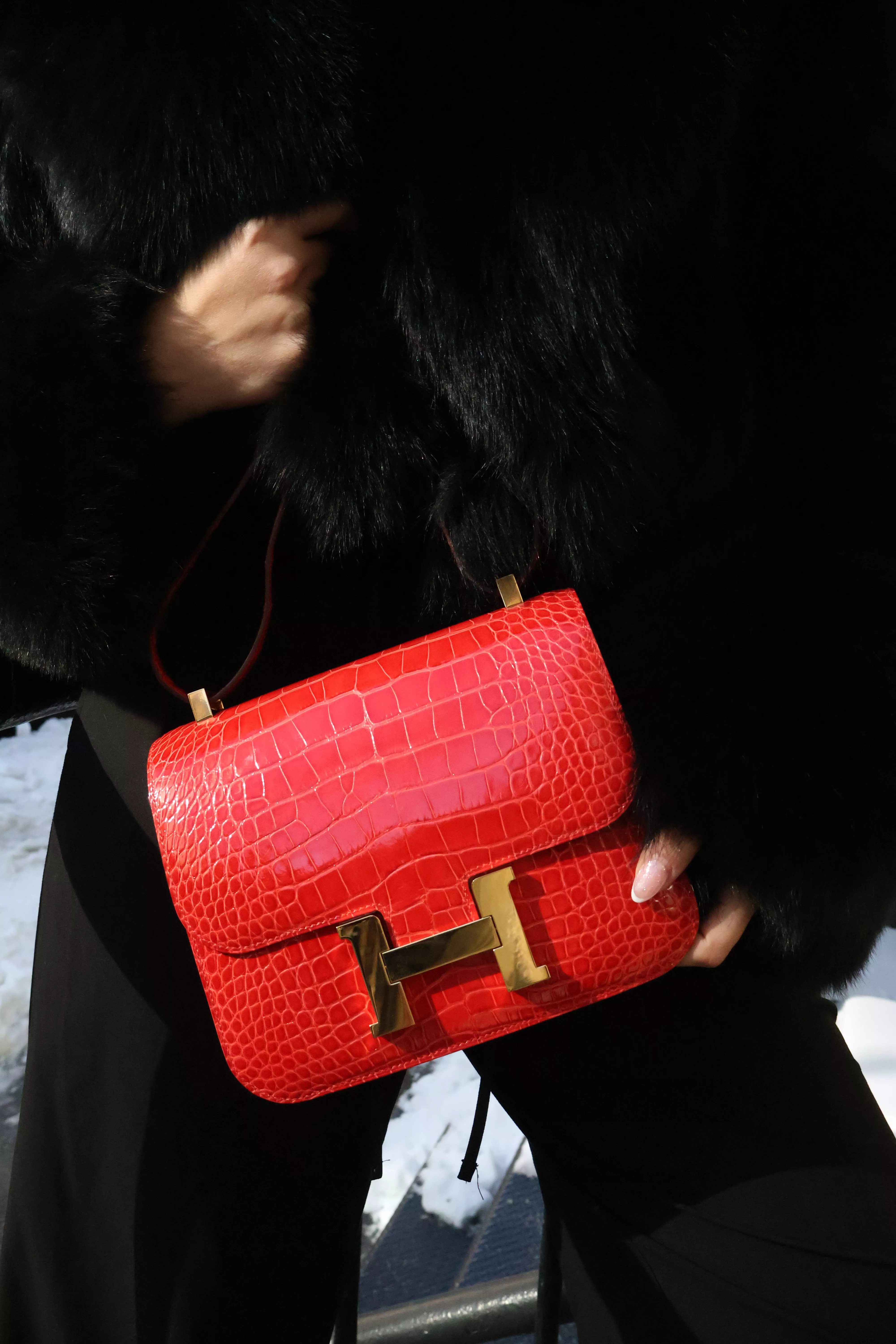
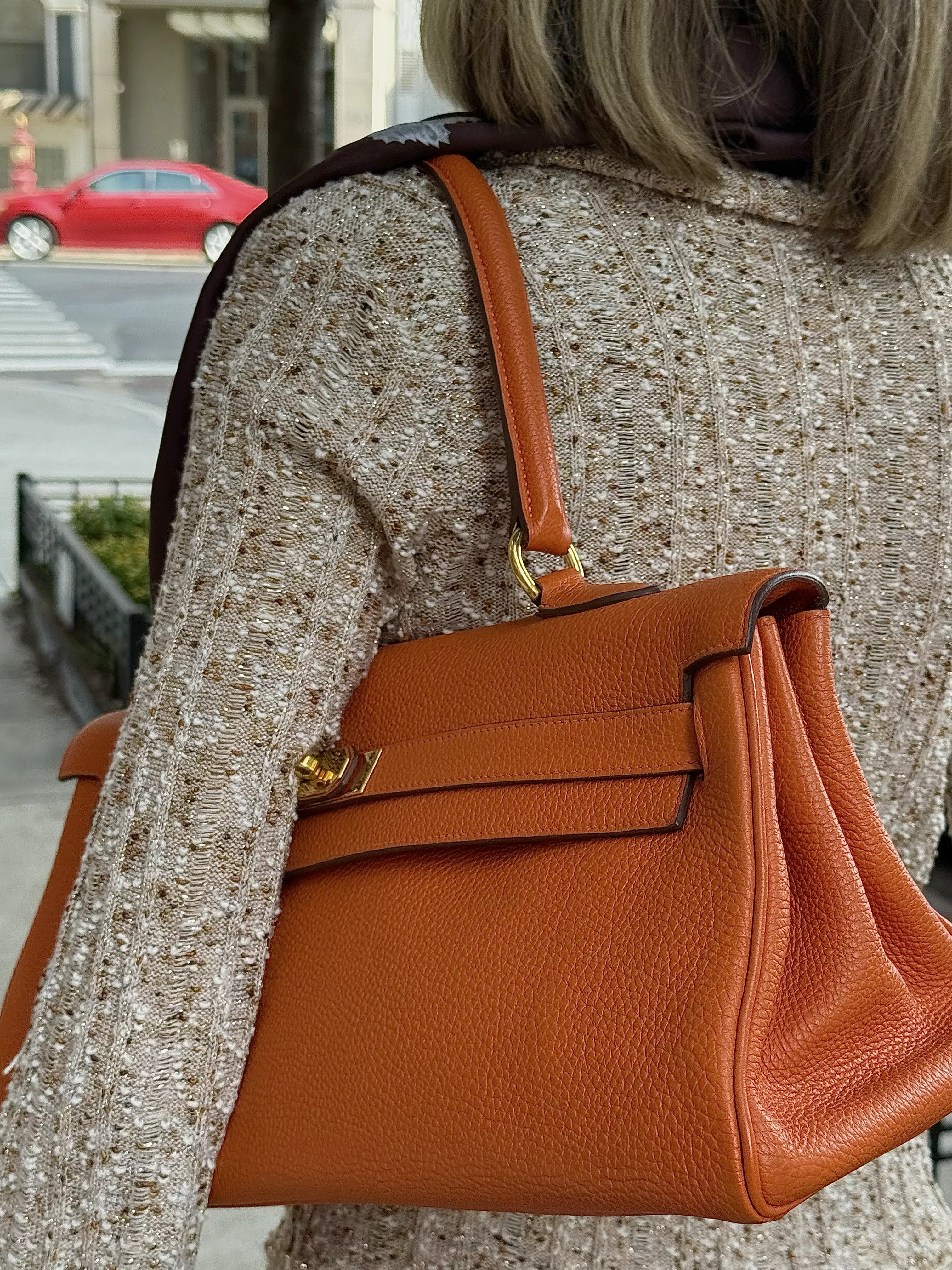
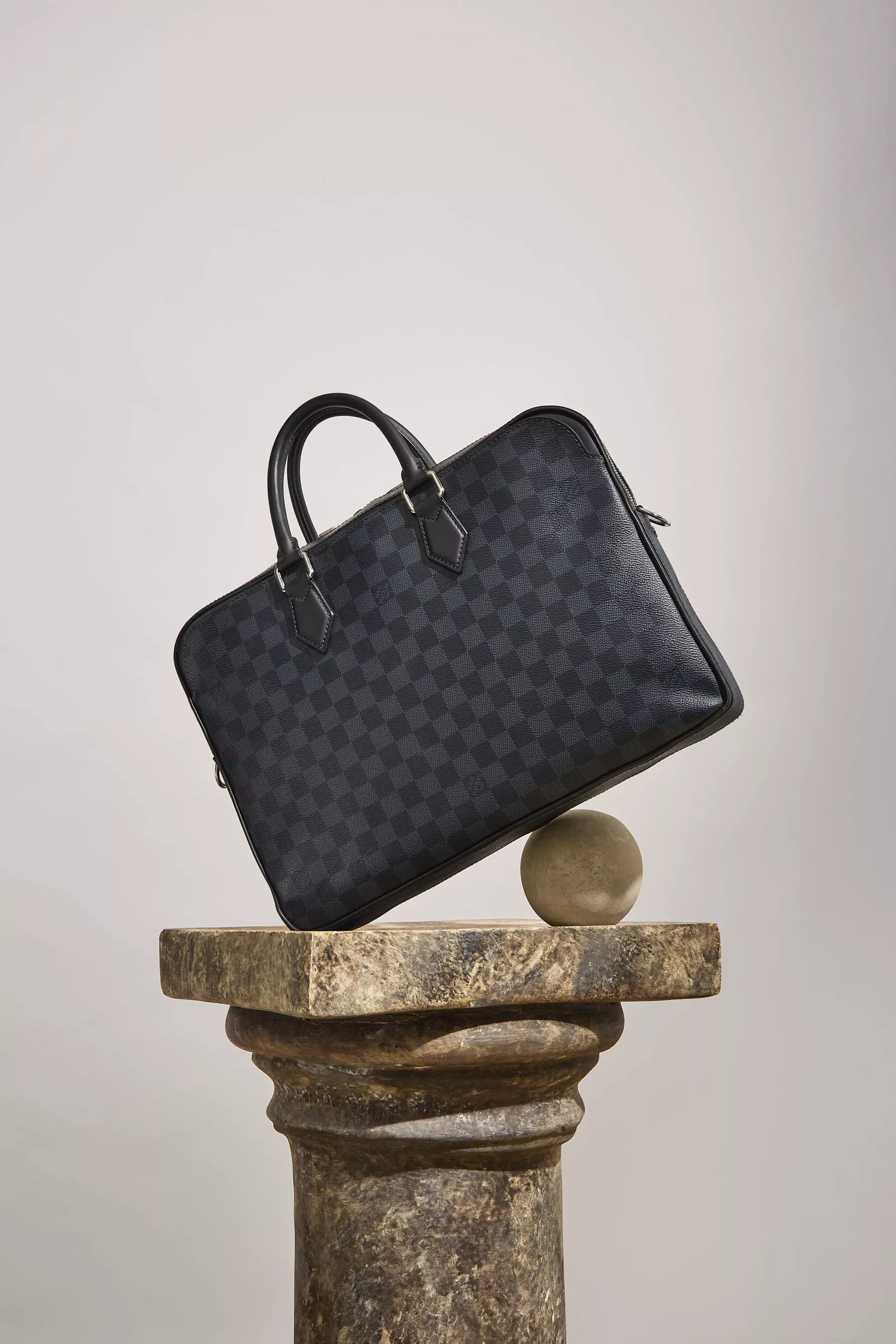
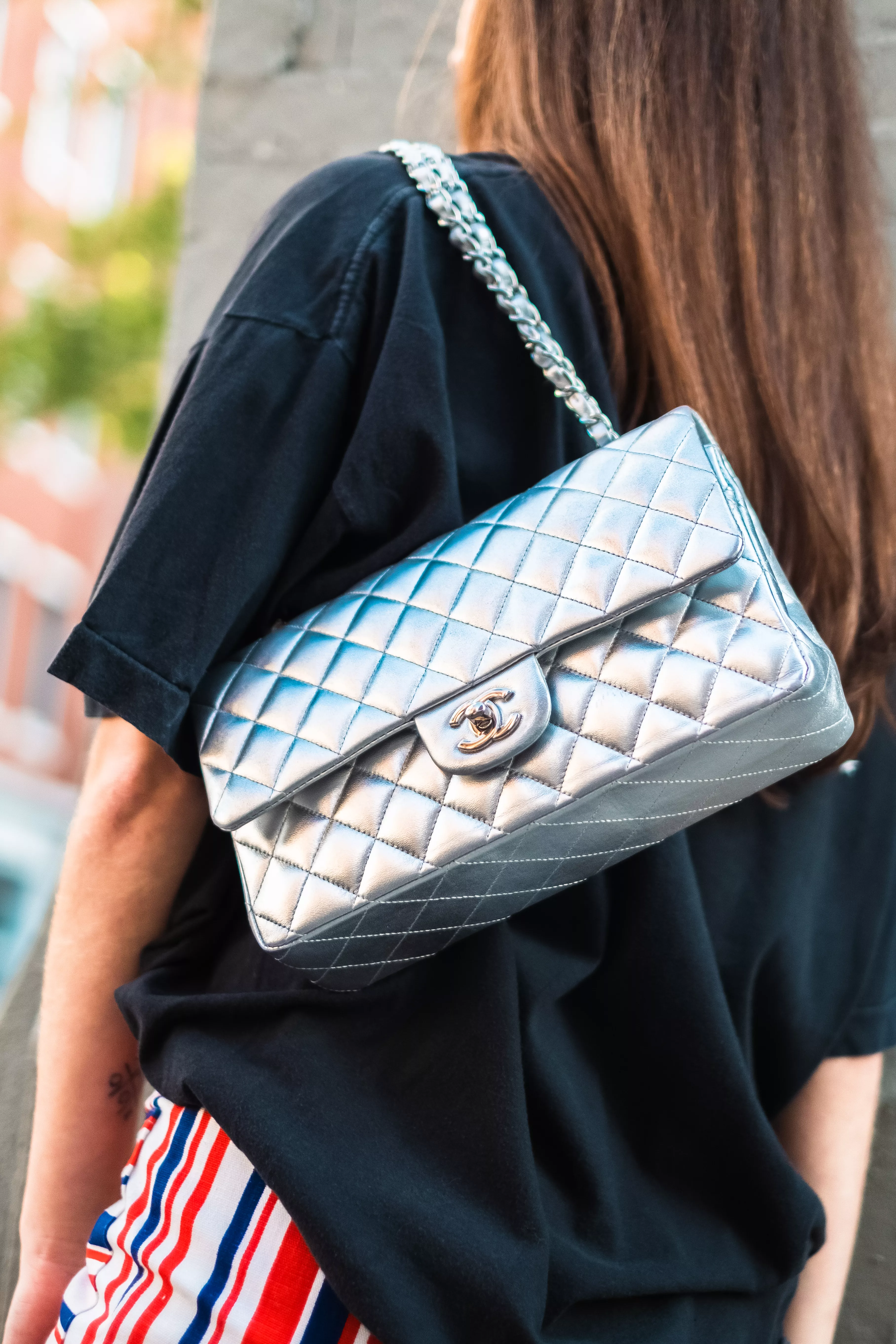
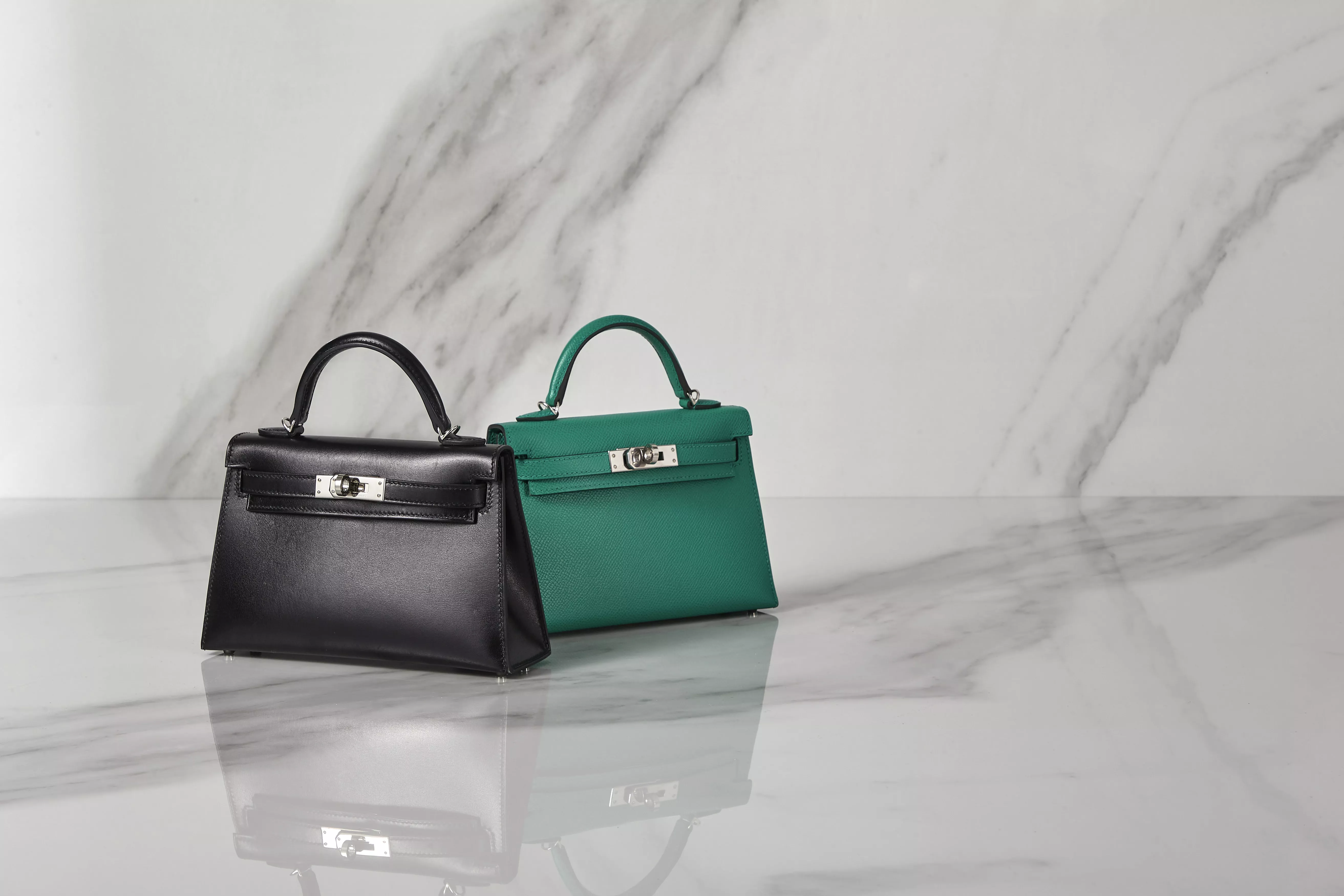
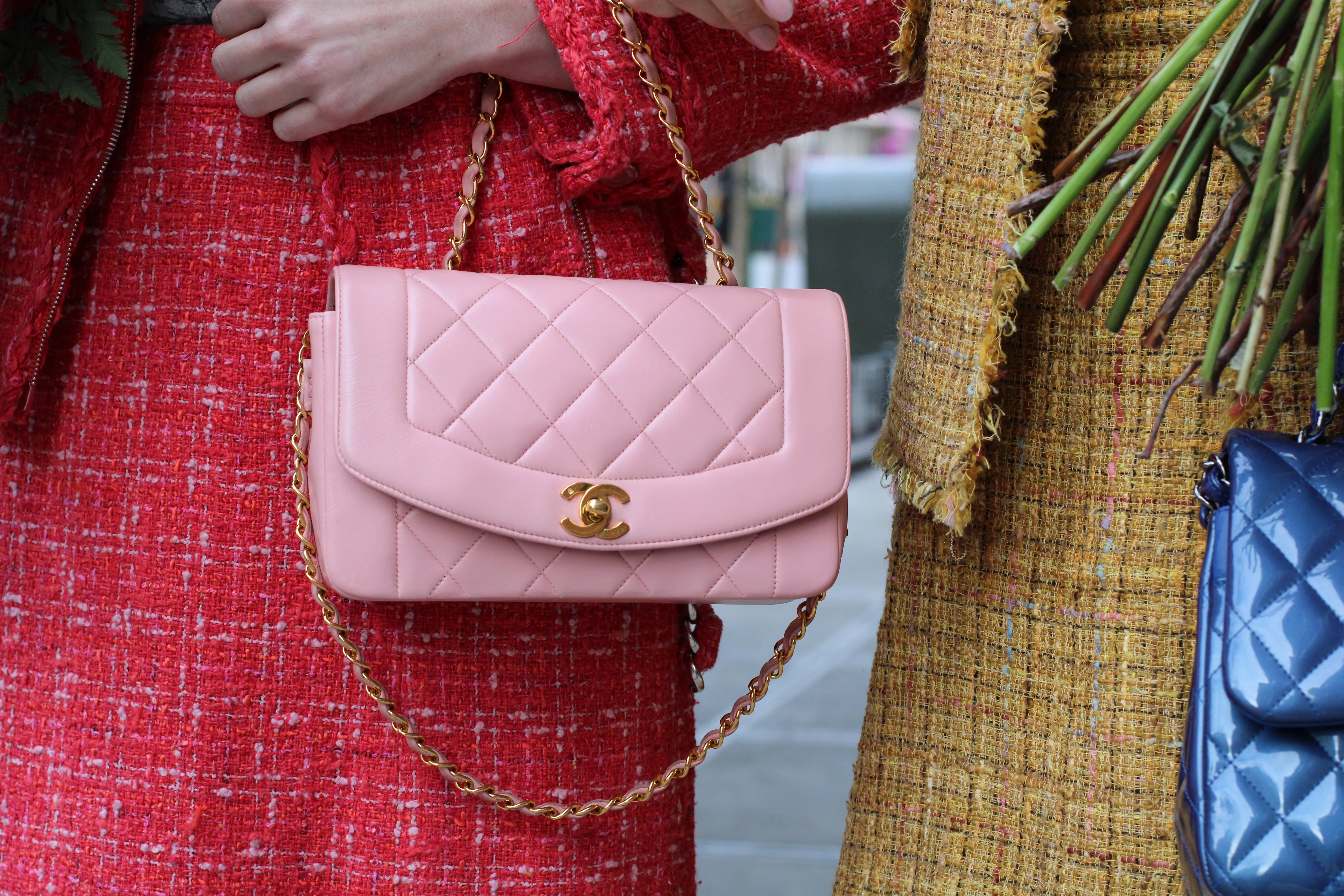
What Goes Around Comes Around is a leading destination for curated vintage luxury, specializing in archival pieces Chanel, Louis Vuitton, and Hermès, offering items that carry both history and craftsmanship. By investing in pre-loved fashion, consumers participate in cyclical fashion, where garments are reused, revalued, and kept in circulation rather than discarded.
There are many reasons to shop with What Goes Around Comes Around. From procuring rare vintage pieces to helping fight unnecessary waste, shopping on the resale market is a no-brainer. Perhaps the most pressing issue in the world of fashion is the impact it has on the environment.
How Pre-Loved Fashion Reduces Waste and Overproduction
More than 92 million tons of textile waste, from both fast fashion companies and those who buy from them, is produced annually due to discarded products. These discarded products end up in landfills and the oceans, negatively impacting wildlife. Buying pre-loved also helps reduce the number of resources used during production, as well as reducing the overall amount of pollution that is typically emitted.
When reducing fast fashion consumption, we’re helping to negate the release of pesticides, toxic chemicals, and carbon emissions. More than anything, however, it’s simply an ethical way to shop. We’re giving these items a second chance at ownership and creating cyclical fashion consumption so everyone can safely and ethically enjoy vintage fashion.
Why Vintage Luxury Holds Lasting Value
Shopping pre-loved means vintage pieces remain in the marketplace and continuously reach new owners. Investing in rare and vintage fashion pieces, like an iconic vintage Dior handbag, elevates your wardrobe and closet, leading you to stand out from the crowd and be proud of what you’re wearing and how you procured it.
There is no more sustainable way of shopping than buying vintage. At What Goes Around Comes Around, we’ve elevated the experience to a new level of sustainable luxury, allowing items to be repurposed without creating additional waste.
The fashion industry is one of the most pollution-friendly industries in the world, and with the advent of social media and the availability of accessing all types of literature, consumers are more than aware of corporations and their own impact on the environment, and on the world at large. As we seek environmentally friendly alternatives in our day-to-day lives, one of the most corporeal contributions we can make is shopping resale and creating a cyclical fashion society.




.WebP?sfrm=jpg&q=80)

Earth Day, celebrated every April 22, promotes environmental awareness and action. In fashion, it serves as a reminder to prioritize sustainability, ethical production, and responsible consumption.
Sustainable luxury refers to high-end fashion that incorporates eco-friendly materials, ethical sourcing, and long-lasting design. It focuses not only on how products are made, but also on their durability and lifecycle.
Circular fashion is a system where clothing and accessories are reused, resold, or repurposed to extend their lifecycle. It reduces waste and minimizes the need for new production.
Shopping pre-loved extends the life of garments, reduces textile waste, and lowers the demand for new production, making it one of the most effective ways to shop sustainably.
Both are valuable, but buying vintage is often the most sustainable option because it requires no new production, making it a key part of circular fashion.
Consumers can shop pre-loved, invest in high-quality pieces, avoid fast fashion, and support brands that prioritize ethical practices and sustainable materials.
What Goes Around Comes Around now offers worldwide direct shipping through DHL. Shop our site in your selected currency. Shipping fees and taxes will be added in checkout.
![flag]() USA
USA![flag]() Algeria
Algeria![flag]() Andorra
Andorra![flag]() Anguilla
Anguilla![flag]() Antigua and Barbuda
Antigua and Barbuda![flag]() Argentina
Argentina![flag]() Armenia
Armenia![flag]() Aruba
Aruba![flag]() Australia
Australia![flag]() Austria
Austria![flag]() Bahamas
Bahamas![flag]() Bahrain
Bahrain![flag]() Barbados
Barbados![flag]() Belgium
Belgium![flag]() Belize
Belize![flag]() Bermuda
Bermuda![flag]() Bolivia
Bolivia![flag]() Bosnia and Herzegovina
Bosnia and Herzegovina![flag]() British Virgin Islands
British Virgin Islands![flag]() Bulgaria
Bulgaria![flag]() Cabo Verde
Cabo Verde![flag]() Canada
Canada![flag]() Cayman Islands
Cayman Islands![flag]() Chile
Chile![flag]() China
China![flag]() Colombia
Colombia![flag]() Cook Islands
Cook Islands![flag]() Costa Rica
Costa Rica![flag]() Croatia
Croatia![flag]() Curaçao
Curaçao![flag]() Cyprus
Cyprus![flag]() Denmark
Denmark![flag]() Dominican Republic
Dominican Republic![flag]() Ecuador
Ecuador![flag]() Egypt
Egypt![flag]() El Salvador
El Salvador![flag]() Fiji
Fiji![flag]() Finland
Finland![flag]() France
France![flag]() French Polynesia
French Polynesia![flag]() Georgia
Georgia![flag]() Germany
Germany![flag]() Gibraltar
Gibraltar![flag]() Grenada
Grenada![flag]() Honduras
Honduras![flag]() Hong Kong
Hong Kong![flag]() Hungary
Hungary![flag]() Iceland
Iceland![flag]() Ireland
Ireland![flag]() Israel
Israel![flag]() Italy
Italy![flag]() Jamaica
Jamaica![flag]() Japan
Japan![flag]() Jordan
Jordan![flag]() Kuwait
Kuwait![flag]() Liechtenstein
Liechtenstein![flag]() Luxembourg
Luxembourg![flag]() Maldives
Maldives![flag]() Martinique
Martinique![flag]() Mexico
Mexico![flag]() Monaco
Monaco![flag]() Montenegro
Montenegro![flag]() Morocco
Morocco![flag]() Netherlands
Netherlands![flag]() New Zealand
New Zealand![flag]() Norway
Norway![flag]() Pakistan
Pakistan![flag]() Poland
Poland![flag]() Portugal
Portugal![flag]() Qatar
Qatar![flag]() Saudi Arabia
Saudi Arabia![flag]() Seychelles
Seychelles![flag]() Singapore
Singapore![flag]() Slovenia
Slovenia![flag]() Sri Lanka
Sri Lanka![flag]() South Korea
South Korea![flag]() Spain
Spain![flag]() Sweden
Sweden![flag]() Switzerland
Switzerland![flag]() Taiwan
Taiwan![flag]() Thailand
Thailand![flag]() Trinidad and Tobago
Trinidad and Tobago![flag]() Turkey
Turkey![flag]() Turks and Caicos Islands
Turks and Caicos Islands![flag]() United Arab Emirates
United Arab Emirates![flag]() United Kingdom
United Kingdom![flag]() Venezuela
Venezuela![flag]() Vietnam
Vietnam


