Copenhagen and Scandi Girl Style: The Enduring Appeal of Nordic Fashion
The Foundations of an Iconic Style
Few fashion movements have achieved the longevity and global influence of the Scandinavian style. What began as an understated approach to dressing rooted in practicality has evolved into one of the most recognizable aesthetics in contemporary fashion. The center of this movement is Copenhagen, a city that has become synonymous with effortless elegance, thoughtful design, and an unwavering commitment to individuality. Rather than following fleeting trends, Copenhagen's fashion culture has consistently balanced timeless dressing with modern experimentation, allowing “Scandi Girl” style to remain relevant decade after decade.
The appeal of Scandi girl style has always been closely tied to the values of Nordic living. Simplicity, functionality, and quality form the foundation of the aesthetic, creating wardrobes that prioritize longevity over excess. Unlike fashion capitals that have traditionally celebrated extravagance or glamour, Copenhagen cultivated a distinctive identity built around wearable luxury and understated confidence.
Neutral palettes became an early signature, with shades of black, white, cream, navy, grey, and camel dominating everyday wardrobes. Tailored outerwear, relaxed knitwear, straight-leg denim, crisp shirting, and leather footwear reflected an appreciation for garments that could transition seamlessly between work, leisure, and social occasions. The result was a polished appearance that rarely felt overstyled.
The city's cycling culture also influenced how people dressed. Clothing needed to accommodate movement without sacrificing sophistication, leading to silhouettes that balanced comfort with structure. This practical approach distinguished Scandinavian fashion from many trend-driven aesthetics emerging elsewhere.
Why Scandi Girl Style Has Remained Timeless
The enduring popularity of Scandi girl style stems from its remarkable adaptability. Rather than relying on one defining trend, the aesthetic embraces evolving interpretations while remaining grounded in consistent design principles.
High-quality materials have always been central to the Nordic wardrobe. Wool, cashmere, organic cotton, leather, and responsibly sourced fabrics contribute to clothing that ages beautifully. Investment dressing has therefore become an essential characteristic rather than a passing preference.
Another reason for its longevity is the emphasis on personal expression. Copenhagen street style demonstrates that minimalism does not require uniformity. Individual styling choices often transform classic garments into fresh combinations through unexpected proportions, contrasting textures, or carefully selected accessories. This balance between restraint and creativity continues to resonate with luxury consumers seeking wardrobes with lasting value.
The Scandinavian approach has also benefited from a broader cultural shift toward conscious consumption. As sustainability has become increasingly important within luxury fashion, many of the values long associated with Nordic dressing have gained international relevance.
This philosophy extends beyond the runway into everyday dressing. Vintage shopping, clothing rental, garment repair, and capsule wardrobes have become widely embraced across Copenhagen. The emphasis rests on thoughtful consumption rather than constant replacement, reinforcing the city's reputation as a leader in modern luxury.
The Evolution of the Scandi Aesthetic
Although Scandinavian fashion is often described as minimalist, its evolution tells a far richer story. During the early 2000s, the aesthetic leaned heavily toward clean tailoring, monochromatic color palettes, and refined silhouettes. The overall appearance reflected quiet sophistication with little emphasis on bold statement pieces.
The following decade introduced greater experimentation. Designers began incorporating oversized tailoring, voluminous dresses, playful knitwear, vibrant colors, and expressive prints without abandoning the clean lines that defined Scandinavian design. Feminine pieces were frequently paired with masculine tailoring, creating balanced silhouettes that felt contemporary and effortless.
As social media expanded the visibility of Copenhagen street style, international audiences discovered a more playful interpretation of Scandinavian dressing. Fashion enthusiasts embraced colorful outerwear, sculptural accessories, textured layering, and unexpected color combinations. Minimalism remained present, yet it evolved into a more expressive version that celebrated personality alongside practicality.
Copenhagen Fashion Week and Its Global Influence
Copenhagen Fashion Week has evolved into one of the most influential events on the international fashion calendar. Held twice each year, Spring/Summer 2027 is expected to run from August 3rd through August 7th, bringing together established luxury labels like Collina Strada, Marimekko, and La Bagatelle, emerging designers, international buyers, editors, stylists, and influential content creators.
Unlike many fashion weeks that focus primarily on runway spectacle, Copenhagen Fashion Week has earned recognition for showcasing commercially relevant collections that remain highly wearable while pushing creative boundaries. The event has also become internationally respected for its sustainability framework, with participating brands expected to meet comprehensive environmental and social responsibility standards.
Trends Expected at Copenhagen Fashion Week This August
The upcoming August presentations are expected to continue the city's signature balance between refinement and experimentation. Relaxed tailoring is likely to remain prominent, with oversized blazers, fluid trousers, and softly structured suiting offering polished alternatives to traditional corporate dressing.
Outerwear is expected to remain a defining category. Trench coats, sculptural leather jackets, technical outerwear, and modern interpretations of classic coats are anticipated to feature prominently across both runway collections and street style.
As it does with most yearly collections, color is also expected to play an important role. Butter yellow, soft blue hues, rich chocolate brown, olive green, deep burgundy, and muted pastel tones have continued gaining momentum throughout the year and are likely to appear alongside classic monochrome styling. Designers may also introduce unexpected color pairings that have become increasingly associated with contemporary Scandinavian fashion.
Texture is expected to provide visual interest throughout many collections, with crisp poplin, lightweight leather, structured denim, sheer layering, tactile knitwear, and woven fabrics likely to contribute depth while preserving the understated elegance associated with Nordic design.
A continued emphasis on responsible design is also expected across many collections. Recycled materials, innovative textiles, transparent supply chains, and long-lasting craftsmanship are likely to remain central themes, reflecting Copenhagen's leadership within sustainable luxury fashion.
The Future of Scandi Girl Style
Copenhagen and “Scandi Girl” style will continue to evolve because it reflects changing lifestyles rather than short lived fashion cycles. Its foundations of quality, versatility, and thoughtful design have allowed it to adapt to new cultural priorities without losing its distinctive identity.
Copenhagen remains one of the few fashion capitals where luxury is defined less by excess and more by confidence, craftsmanship, and authenticity. Designers consistently demonstrate that elegance can be expressive while remaining practical, creating collections that resonate across generations and international markets. The city's distinctive approach has transformed Scandinavian fashion from a regional aesthetic into a lasting benchmark for modern luxury, ensuring that Scandi girl style continues to shape the future of fashion while remaining firmly connected to the principles that first made it iconic.
.WebP?sfrm=jpg&q=80)

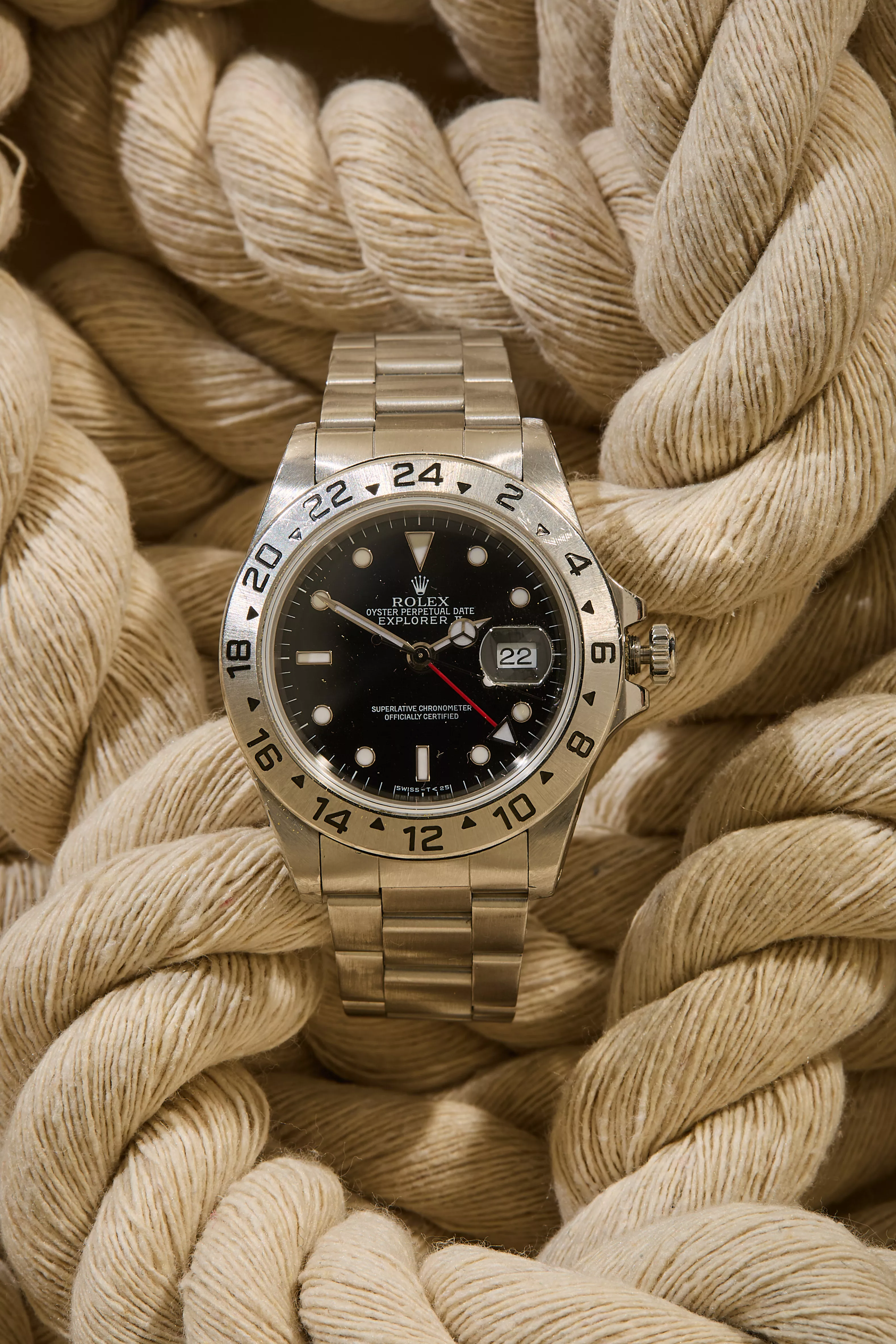
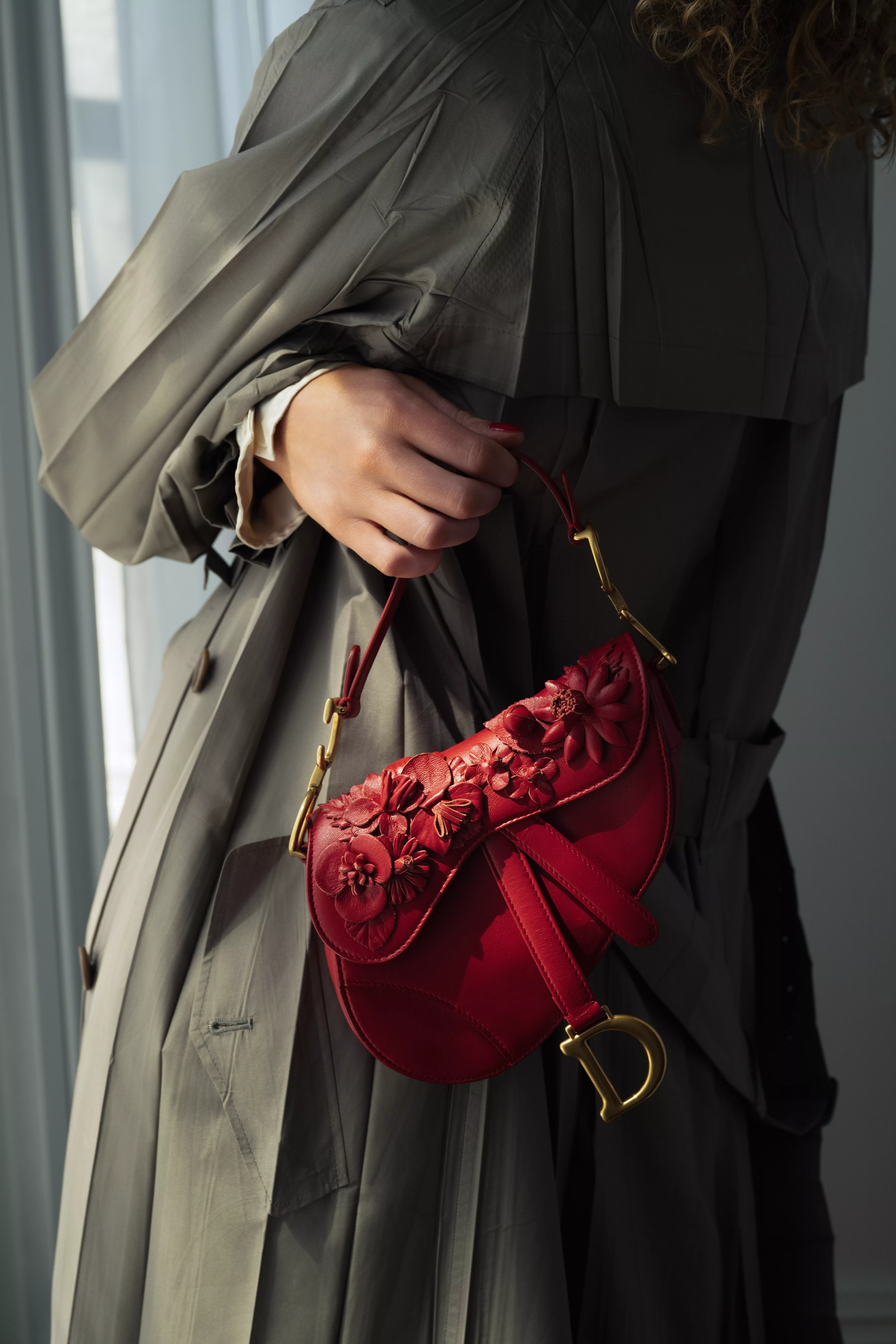
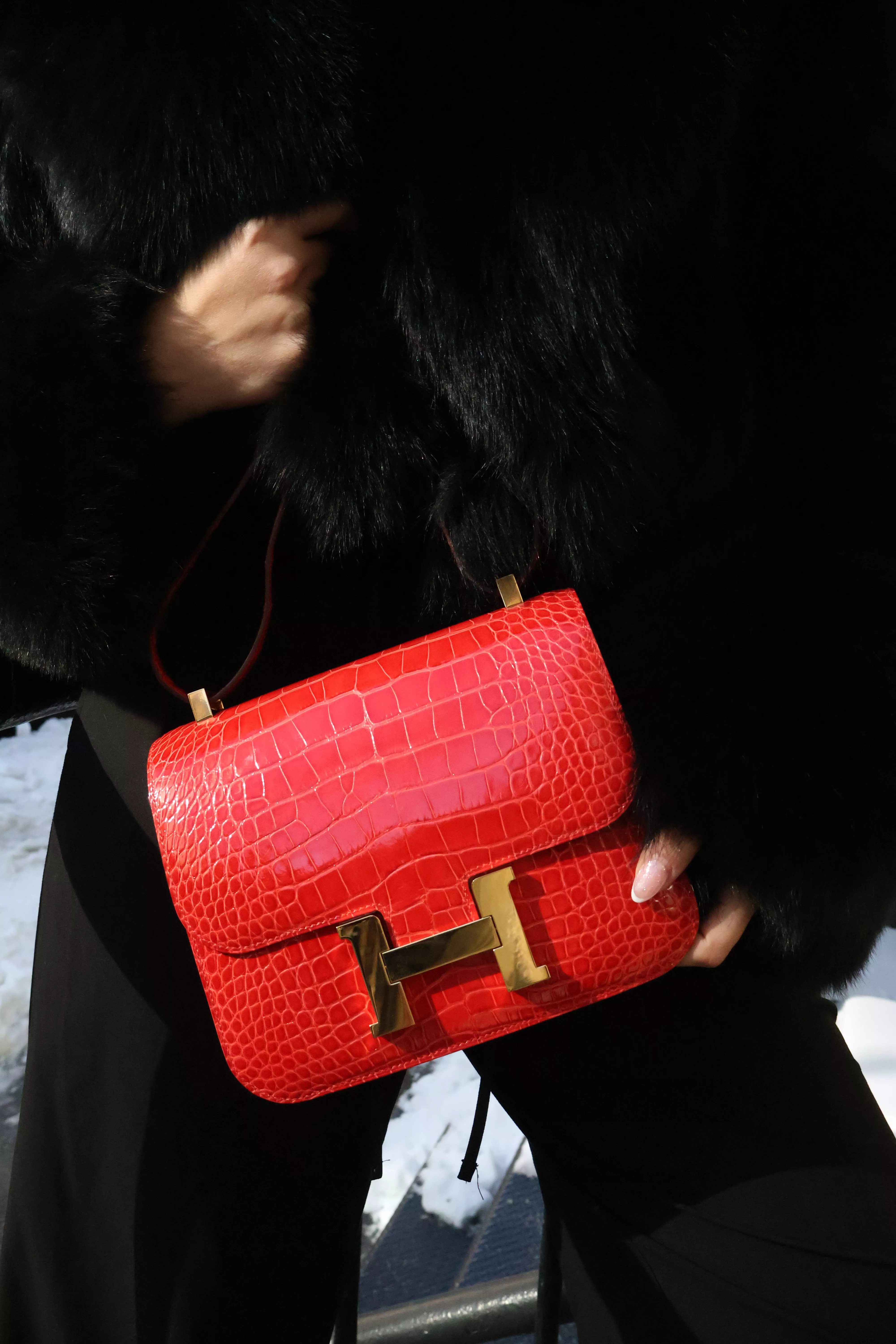
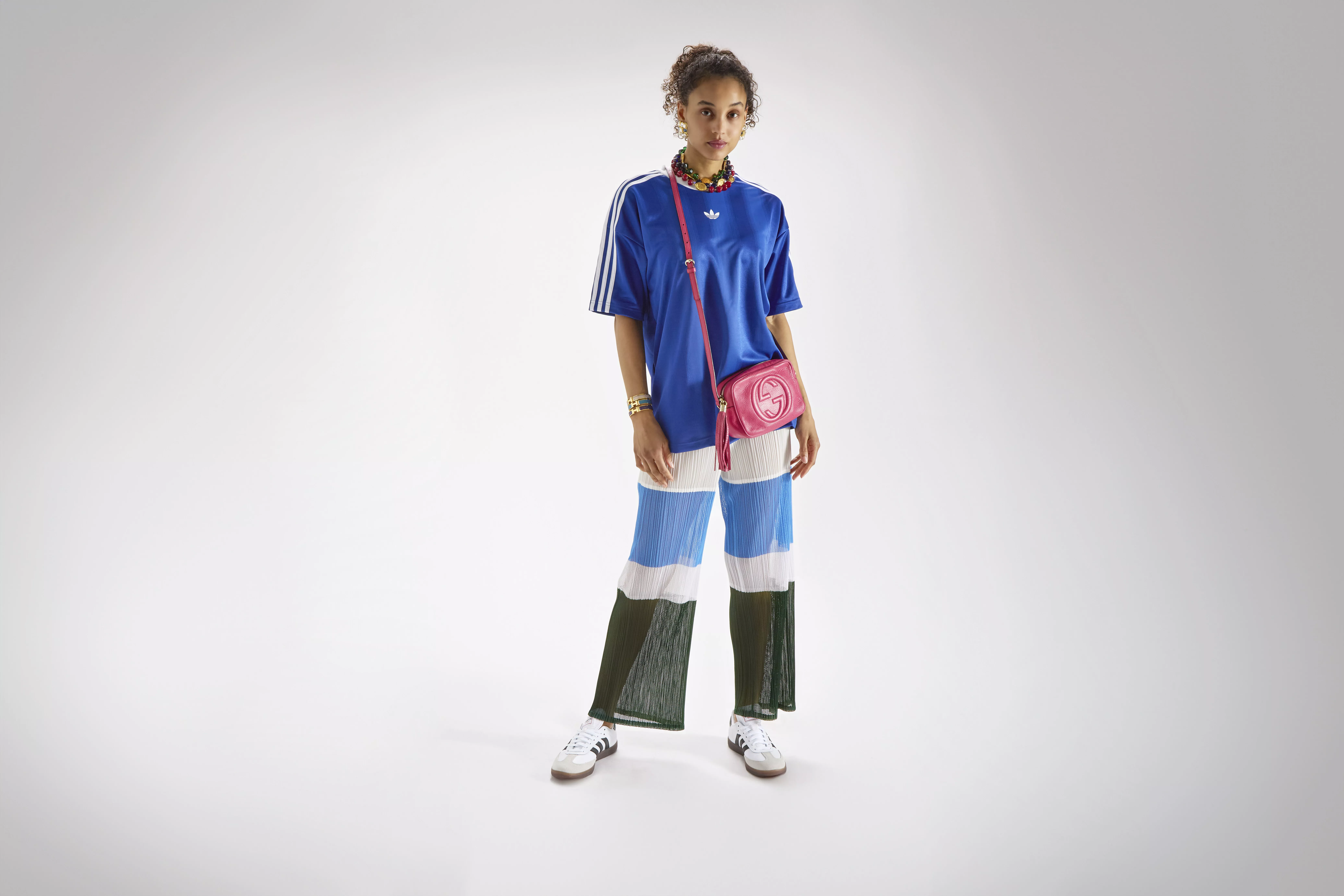
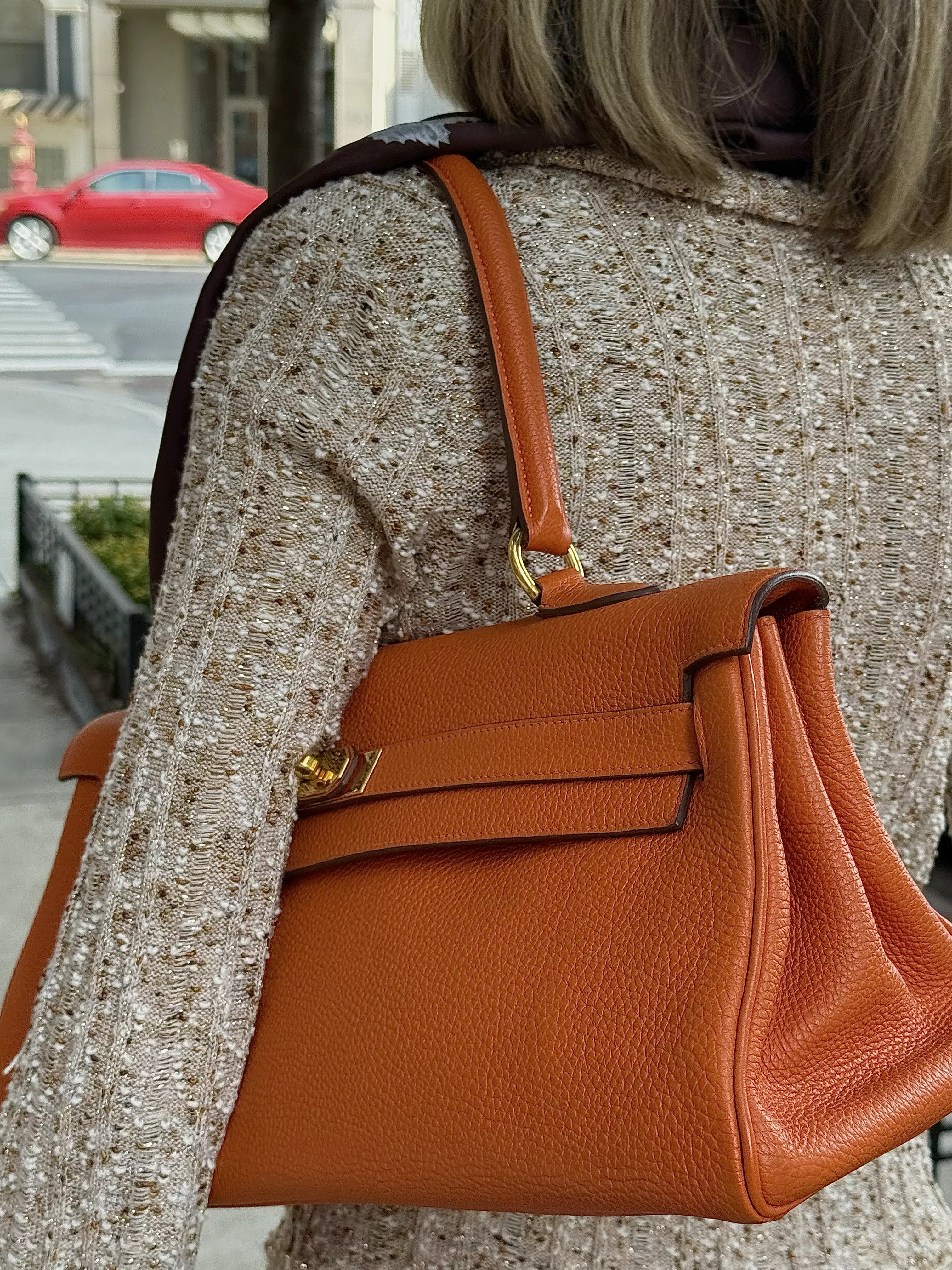
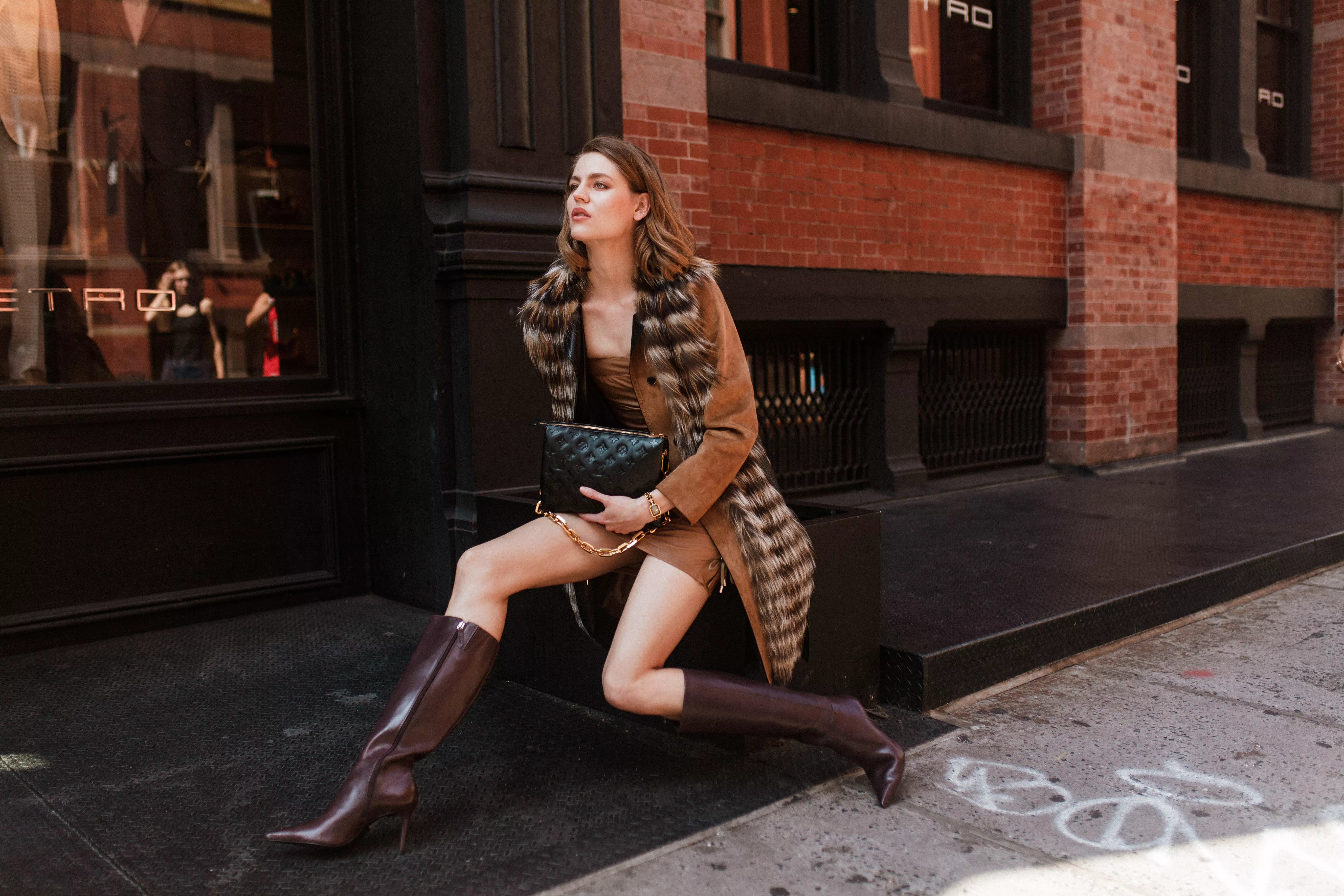
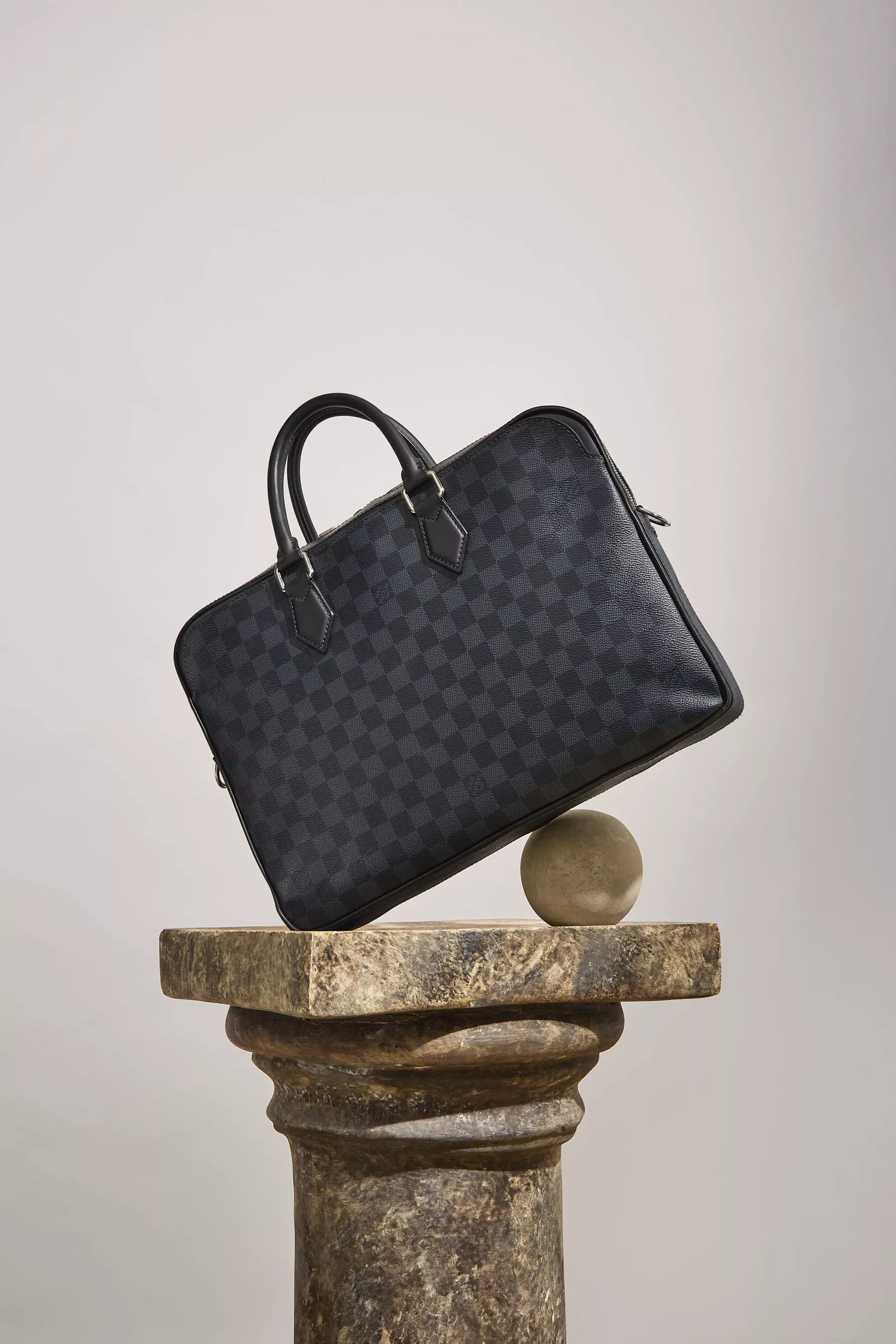
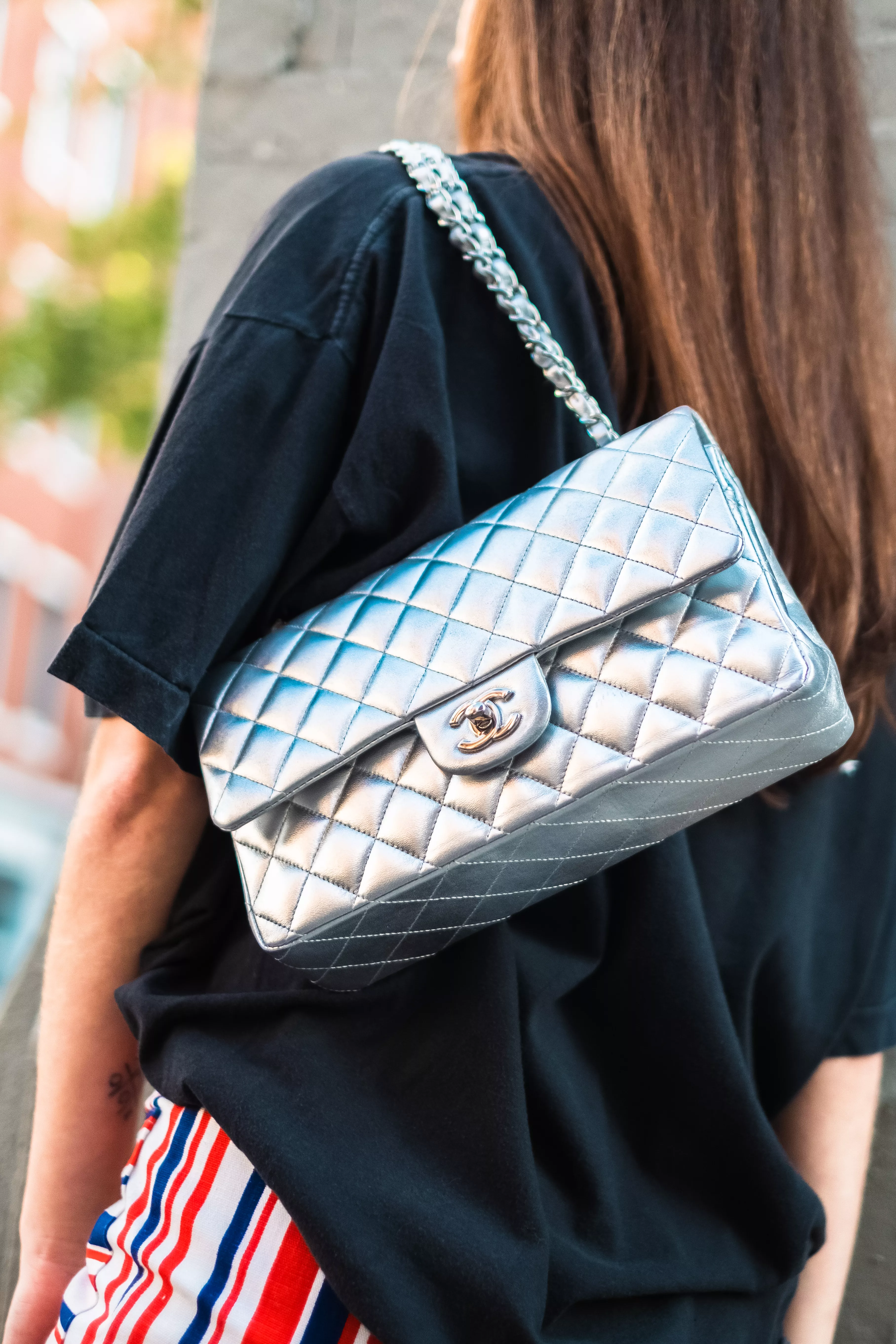

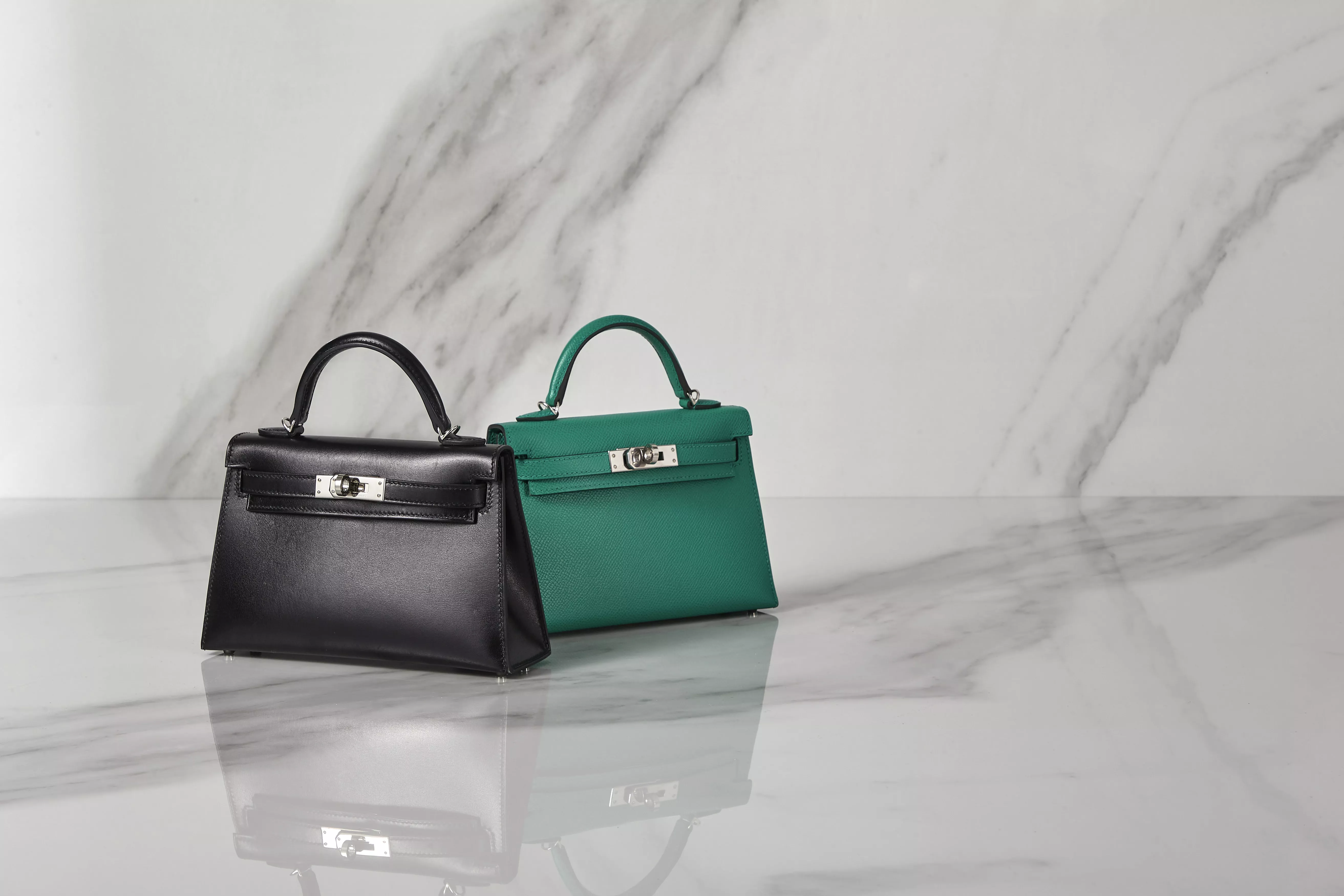
Scandi Girl style is a fashion aesthetic inspired by Scandinavian design principles, particularly those found in Copenhagen. It combines minimalist silhouettes, high-quality wardrobe staples, functional dressing, and personal expression to create looks that are both timeless and effortless.
Copenhagen has become a global fashion capital thanks to its innovative designers, influential street style, and commitment to sustainability. The city's fashion scene blends practicality with creativity, making it a leading source of modern luxury trends.
Scandinavian fashion is known for clean lines, neutral color palettes, tailored outerwear, quality knitwear, relaxed denim, versatile basics, and an emphasis on comfort. Modern interpretations also incorporate bold colors, oversized silhouettes, and playful accessories while maintaining a refined aesthetic.
Its enduring appeal comes from its focus on quality, versatility, and timeless design rather than fast-changing trends. The style evolves over time while staying true to its core values of simplicity, functionality, and individuality.
Sustainability is a defining element of Scandinavian fashion. Many brands prioritize responsibly sourced materials, ethical production, durable craftsmanship, clothing repair, vintage shopping, rental services, and capsule wardrobes to encourage more thoughtful consumption.
Copenhagen Fashion Week is recognized for showcasing wearable, commercially relevant collections alongside strong sustainability requirements. It has become an influential platform for emerging designers and established brands while setting new standards for responsible fashion.
What Goes Around Comes Around now offers worldwide direct shipping through DHL. Shop our site in your selected currency. Shipping fees and taxes will be added in checkout.
![flag]() USA
USA![flag]() Algeria
Algeria![flag]() Andorra
Andorra![flag]() Anguilla
Anguilla![flag]() Antigua and Barbuda
Antigua and Barbuda![flag]() Argentina
Argentina![flag]() Armenia
Armenia![flag]() Aruba
Aruba![flag]() Australia
Australia![flag]() Austria
Austria![flag]() Bahamas
Bahamas![flag]() Bahrain
Bahrain![flag]() Barbados
Barbados![flag]() Belgium
Belgium![flag]() Belize
Belize![flag]() Bermuda
Bermuda![flag]() Bolivia
Bolivia![flag]() Bosnia and Herzegovina
Bosnia and Herzegovina![flag]() British Virgin Islands
British Virgin Islands![flag]() Bulgaria
Bulgaria![flag]() Cabo Verde
Cabo Verde![flag]() Canada
Canada![flag]() Cayman Islands
Cayman Islands![flag]() Chile
Chile![flag]() China
China![flag]() Colombia
Colombia![flag]() Cook Islands
Cook Islands![flag]() Costa Rica
Costa Rica![flag]() Croatia
Croatia![flag]() Curaçao
Curaçao![flag]() Cyprus
Cyprus![flag]() Denmark
Denmark![flag]() Dominican Republic
Dominican Republic![flag]() Ecuador
Ecuador![flag]() Egypt
Egypt![flag]() El Salvador
El Salvador![flag]() Fiji
Fiji![flag]() Finland
Finland![flag]() France
France![flag]() French Polynesia
French Polynesia![flag]() Georgia
Georgia![flag]() Germany
Germany![flag]() Gibraltar
Gibraltar![flag]() Grenada
Grenada![flag]() Honduras
Honduras![flag]() Hong Kong
Hong Kong![flag]() Hungary
Hungary![flag]() Iceland
Iceland![flag]() Ireland
Ireland![flag]() Israel
Israel![flag]() Italy
Italy![flag]() Jamaica
Jamaica![flag]() Japan
Japan![flag]() Jordan
Jordan![flag]() Kuwait
Kuwait![flag]() Liechtenstein
Liechtenstein![flag]() Luxembourg
Luxembourg![flag]() Maldives
Maldives![flag]() Martinique
Martinique![flag]() Mexico
Mexico![flag]() Monaco
Monaco![flag]() Montenegro
Montenegro![flag]() Morocco
Morocco![flag]() Netherlands
Netherlands![flag]() New Zealand
New Zealand![flag]() Norway
Norway![flag]() Pakistan
Pakistan![flag]() Poland
Poland![flag]() Portugal
Portugal![flag]() Qatar
Qatar![flag]() Saudi Arabia
Saudi Arabia![flag]() Seychelles
Seychelles![flag]() Singapore
Singapore![flag]() Slovenia
Slovenia![flag]() Sri Lanka
Sri Lanka![flag]() South Korea
South Korea![flag]() Spain
Spain![flag]() Sweden
Sweden![flag]() Switzerland
Switzerland![flag]() Taiwan
Taiwan![flag]() Thailand
Thailand![flag]() Trinidad and Tobago
Trinidad and Tobago![flag]() Turkey
Turkey![flag]() Turks and Caicos Islands
Turks and Caicos Islands![flag]() United Arab Emirates
United Arab Emirates![flag]() United Kingdom
United Kingdom![flag]() Venezuela
Venezuela![flag]() Vietnam
Vietnam


