Milan & Paris Men’s Fashion Week: Designers, Collections & Trends to Know
The Runways Defining the Season
Twice a year, Milan and Paris become the center of the menswear conversation, setting the tone for the seasons ahead. While both fashion capitals share the same stage, they rarely tell the same story. Milan has long been known for refining the classics, while Paris continues to push creative boundaries and redefine what modern menswear can look like. The Spring/Summer 2027 fashion week was no exception. Together, the collections painted a clear picture of where men's fashion is headed and the trends that will shape wardrobes well beyond the runway.
Milan Men's Fashion Week
Milan has always understood the power of restraint, and this season it reminded the industry why. Spring/Summer 2027 wasn't about chasing the next viral moment, it was about refining the wardrobe. Across the city's runways, designers stripped menswear back to its foundation, proving that a great collection doesn't need excess to leave an impression.
Dolce & Gabbana | Photo Credit: Alamy
Prada once again set the pace, presenting a collection that balanced precision with ease. Tailoring felt lighter, proportions became more relaxed, and familiar pieces were reworked through unexpected styling. At Giorgio Armani, summer dressing took on a softer rhythm, with fluid silhouettes and airy fabrics creating clothes that looked as effortless as they felt, while Dolce & Gabbana leaned into relaxed separates that celebrated Italian craftsmanship without feeling overly polished.
What connected Milan's biggest collections wasn't a single silhouette, it was a shared attitude. Linen replaced heavier fabrics, suede returned in softer forms, lightweight knitwear, and neutral tones dominated the palette. Cream, tobacco, olive, stone, and faded blue created wardrobes that felt timeless rather than trend driven. Even when designers experimented, they did so with purpose, reminding audiences that simplicity is often the boldest statement of all. The overall mood was calm, confident, and intentional. Milan wasn't trying to reinvent menswear; it was refining it.
Paris Men's Fashion Week
If Milan focused on perfecting the everyday wardrobe, Paris challenged the very idea of what menswear could be.
The French capital delivered a season built on imagination, where designers treated clothing as a form of storytelling rather than simply something to wear. Louis Vuitton continued to evolve under Pharrell Williams, presenting a collection that blended tailoring, travel, and street culture into a vision that felt distinctly modern. Dior entered a new chapter with Jonathan Anderson at the helm, offering one of the week's most anticipated debuts. His collection questioned traditional menswear through sculptural proportions, unexpected layering, and a fresh approach to classic dressing that immediately became one of the defining moments of the season.
Dior | Photo Credit: Alamy
Saint Laurent | Photo Credit: Alamy
Elsewhere, Saint Laurent embraced razor-sharp silhouettes and monochromatic dressing, while Rick Owens remained in a category of his own, presenting dramatic forms that blurred the line between fashion, art, and performance.
Yet beyond the headline collections, Paris revealed a larger shift happening across the industry. Menswear continues to move away from rigid definitions of masculinity. Sheer fabrics, flowing silhouettes, layered jewelry, and softer styling no longer felt disruptive; they simply belonged. Personal style has replaced old rules, and Paris embraced that evolution with confidence.
Together, Milan and Paris offered two different perspectives, but they ultimately arrived at the same conclusion. The future of menswear isn't about dressing louder. It's about dressing with intention. Whether through Milan's refined simplicity or Paris' fearless creativity, Spring/Summer 2027 proved that the strongest wardrobes are no longer defined by trends alone—they're defined by the people who wear them.
The Menswear Trends You'll Be Seeing Everywhere
The biggest takeaway from the Spring/Summer 2027 fashion week is that menswear is becoming more relaxed, more versatile, and more personal. Tailoring isn't disappearing, but it's becoming softer, with oversized blazers, wide-leg trousers, and lightweight fabrics replacing structured suits. Expect to see more linen, sheer fabrics, knit polos, oversized button-down shirts, and matching sets making their way from the runway into everyday wardrobes.
Sportswear continues to influence luxury fashion, from soccer-inspired jerseys, technical jackets, and elevated athletic pieces that can easily be dressed up or down. Earthy tones like olive, chocolate brown, sand, cream, and faded blue dominated the season, while pops of butter yellow and soft pink added freshness without overwhelming a look.
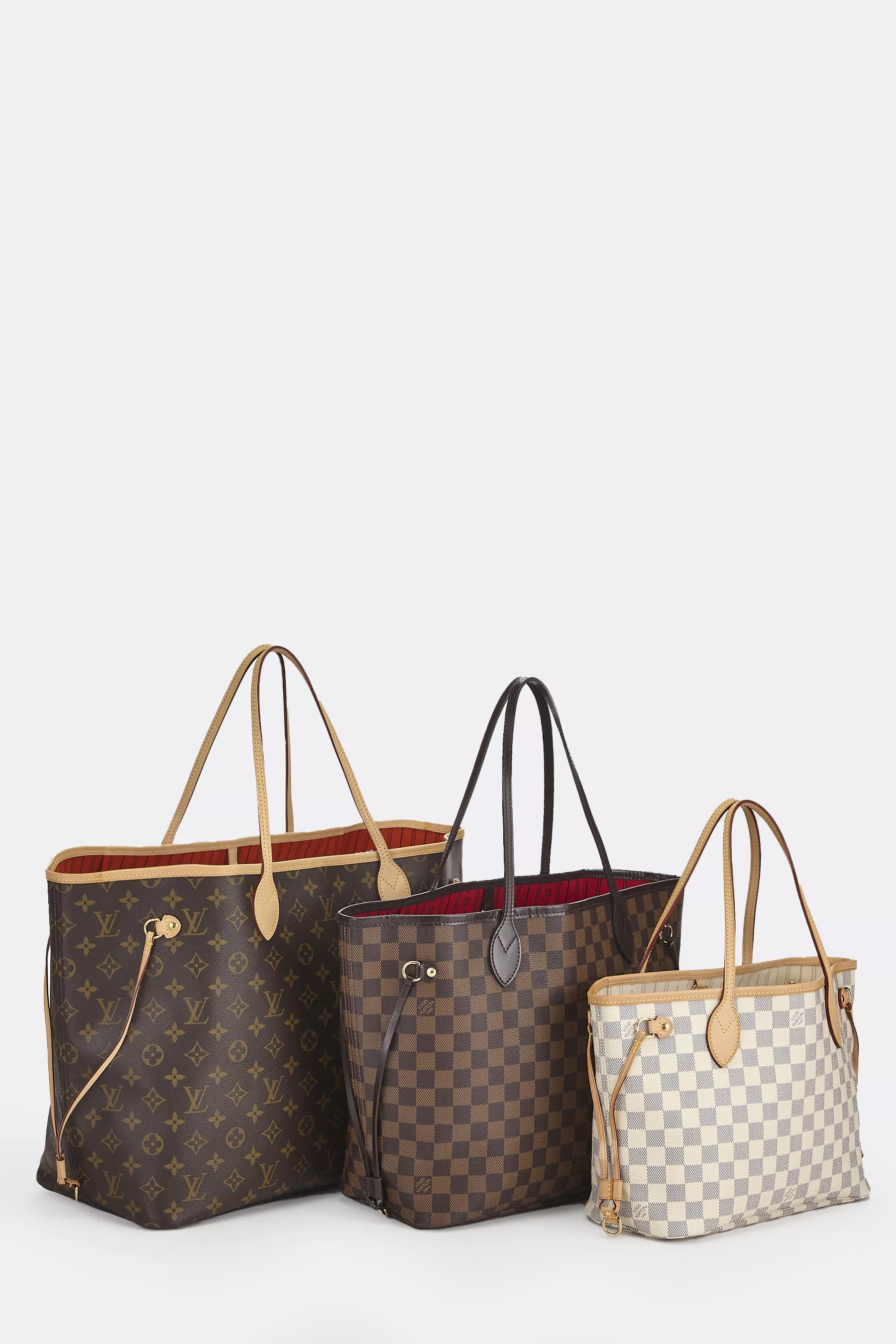
Accessories are also becoming a bigger part of men's style. Larger tote bags, slimmer crossbody bags, statement jewelry, silk scarves, and fashion-forward sunglasses appeared throughout both Milan and Paris, proving that men's accessories are no longer an afterthought. Footwear is shifting as well, with slim sneakers, leather sandals, loafers, and minimalist driving shoes replacing the chunky silhouettes that have dominated recent years.
If the Spring/Summer 2027 Men’s fashion week made one thing clear, it's that men's fashion is moving away from dressing for trends and toward building a wardrobe with personality. The season wasn't about wearing louder clothes, it was about wearing better ones.

.WebP?sfrm=jpg&q=80)

The biggest trends included relaxed tailoring, lightweight fabrics, sheer layering, earthy color palettes, elevated sportswear, and statement accessories. Designers also continued to blur the lines between casual and formal dressing, creating collections that felt versatile and easy to wear.
Some of the season's most talked-about shows came from Prada, Giorgio Armani, Dolce & Gabbana, Louis Vuitton, Dior, Saint Laurent, and Rick Owens. Each brand brought a different perspective to menswear, from refined tailoring to bold, fashion-forward silhouettes.
Milan focused on modernizing wardrobe essentials through relaxed tailoring, lightweight fabrics, and understated styling. Paris took a more experimental approach, highlighting creativity, new proportions, and expressive styling while continuing to push the boundaries of contemporary menswear.
Neutral and earthy shades dominated the runways, including cream, olive green, chocolate brown, sand, stone, and faded blue. Designers also introduced softer seasonal colors like butter yellow and muted pink to add subtle contrast.
Yes, and it’s becoming more normalized each season. Sheer fabrics, jewelry, flowing silhouettes, and softer styling are no longer treated as statements—they’re just part of the modern menswear vocabulary, especially in Paris collections.
What Goes Around Comes Around now offers worldwide direct shipping through DHL. Shop our site in your selected currency. Shipping fees and taxes will be added in checkout.
![flag]() USA
USA![flag]() Algeria
Algeria![flag]() Andorra
Andorra![flag]() Anguilla
Anguilla![flag]() Antigua and Barbuda
Antigua and Barbuda![flag]() Argentina
Argentina![flag]() Armenia
Armenia![flag]() Aruba
Aruba![flag]() Australia
Australia![flag]() Austria
Austria![flag]() Bahamas
Bahamas![flag]() Bahrain
Bahrain![flag]() Barbados
Barbados![flag]() Belgium
Belgium![flag]() Belize
Belize![flag]() Bermuda
Bermuda![flag]() Bolivia
Bolivia![flag]() Bosnia and Herzegovina
Bosnia and Herzegovina![flag]() British Virgin Islands
British Virgin Islands![flag]() Bulgaria
Bulgaria![flag]() Cabo Verde
Cabo Verde![flag]() Canada
Canada![flag]() Cayman Islands
Cayman Islands![flag]() Chile
Chile![flag]() China
China![flag]() Colombia
Colombia![flag]() Cook Islands
Cook Islands![flag]() Costa Rica
Costa Rica![flag]() Croatia
Croatia![flag]() Curaçao
Curaçao![flag]() Cyprus
Cyprus![flag]() Denmark
Denmark![flag]() Dominican Republic
Dominican Republic![flag]() Ecuador
Ecuador![flag]() Egypt
Egypt![flag]() El Salvador
El Salvador![flag]() Fiji
Fiji![flag]() Finland
Finland![flag]() France
France![flag]() French Polynesia
French Polynesia![flag]() Georgia
Georgia![flag]() Germany
Germany![flag]() Gibraltar
Gibraltar![flag]() Grenada
Grenada![flag]() Honduras
Honduras![flag]() Hong Kong
Hong Kong![flag]() Hungary
Hungary![flag]() Iceland
Iceland![flag]() Ireland
Ireland![flag]() Israel
Israel![flag]() Italy
Italy![flag]() Jamaica
Jamaica![flag]() Japan
Japan![flag]() Jordan
Jordan![flag]() Kuwait
Kuwait![flag]() Liechtenstein
Liechtenstein![flag]() Luxembourg
Luxembourg![flag]() Maldives
Maldives![flag]() Martinique
Martinique![flag]() Mexico
Mexico![flag]() Monaco
Monaco![flag]() Montenegro
Montenegro![flag]() Morocco
Morocco![flag]() Netherlands
Netherlands![flag]() New Zealand
New Zealand![flag]() Norway
Norway![flag]() Pakistan
Pakistan![flag]() Poland
Poland![flag]() Portugal
Portugal![flag]() Qatar
Qatar![flag]() Saudi Arabia
Saudi Arabia![flag]() Seychelles
Seychelles![flag]() Singapore
Singapore![flag]() Slovenia
Slovenia![flag]() Sri Lanka
Sri Lanka![flag]() South Korea
South Korea![flag]() Spain
Spain![flag]() Sweden
Sweden![flag]() Switzerland
Switzerland![flag]() Taiwan
Taiwan![flag]() Thailand
Thailand![flag]() Trinidad and Tobago
Trinidad and Tobago![flag]() Turkey
Turkey![flag]() Turks and Caicos Islands
Turks and Caicos Islands![flag]() United Arab Emirates
United Arab Emirates![flag]() United Kingdom
United Kingdom![flag]() Venezuela
Venezuela![flag]() Vietnam
Vietnam


