Yves Saint Laurent to Saint Laurent: The Evolution of a French Fashion Icon
The Foundations of the Iconic House
From revolutionary haute couture to contemporary luxury, the story of a fashion house that redefined elegance, challenged convention and transformed the modern wardrobe.
Few names in fashion carry the cultural significance of Yves Saint Laurent. Founded in Paris in 1961, the house emerged from the vision of a young couturier who believed clothing could do more than communicate status or beauty. For Yves Saint Laurent, fashion was a means of self-expression, a reflection of social change and a powerful statement about the evolving role of women in society. His designs challenged traditional dress codes while establishing a distinctive relationship between couture, art and everyday life.
More than six decades later, the house continues under the name Saint Laurent, retaining its unmistakable Parisian identity while evolving into one of the most influential luxury brands in the world. Its journey encompasses artistic innovation, changing creative leadership, and a constant negotiation between heritage and modernity.
A Young Couturier with a Revolutionary Vision
Yves Henri Donat Mathieu-Saint-Laurent was born on August 1, 1936, in Oran. From an early age, he demonstrated a remarkable interest in fashion and design. His talent eventually brought him to Paris, where he entered the competitive world of French haute couture as a teenager.
In 1955, Saint Laurent was introduced to Christian Dior, who quickly recognized his creative potential and brought him into the Dior fashion house. After Dior died in 1957, the young designer became the maison's artistic director at just 21. His early collections attracted considerable attention, establishing him as a remarkable talent within the French fashion establishment.
However, his career at Dior was interrupted in 1960 when he was drafted into the French military. The experience contributed to a severe personal and psychological crisis and ultimately brought his tenure at Dior to an end. After his departure, Saint Laurent and his business and personal partner, Pierre Bergé, began developing a fashion house guided by their own creative and commercial vision.
On December 4, 1961, the Yves Saint Laurent couture house officially opened in Paris. Its first collection was presented in January 1962, marking the beginning of a new chapter in French fashion history. From its earliest years, the house demonstrated a willingness to question established conventions while maintaining the technical excellence associated with haute couture.
The 1960s: Redefining Women's Fashion
The 1960s were a period of considerable cultural transformation. Youth culture was gaining influence, traditional social hierarchies were being challenged, and women were increasingly questioning restrictive expectations surrounding their appearance and independence. Saint Laurent's work reflected these changes with unusual clarity.
Rather than treating womenswear as a category confined to dresses, decorative tailoring and traditional femininity, he explored the possibilities of borrowing from menswear and adapting its codes to the female form. His designs conveyed authority, freedom and sophistication without abandoning the craftsmanship of couture.
Introduced in the Autumn/Winter 1966 collection, Le Smoking became one of the defining creations in the history of modern fashion. The women's tuxedo translated the traditional masculine evening suit into a sophisticated silhouette designed for women.
Fashion Meets Fine Art
Saint Laurent's creative vision extended beyond the boundaries of conventional dressmaking. In 1965, his celebrated Mondrian collection transformed the geometric compositions of Dutch artist Piet Mondrian into striking shift dresses.
The designs incorporated blocks of primary colors separated by precise black lines, translating abstract art into wearable form. Their apparent simplicity concealed considerable technical skill, with the placement of seams and panels carefully considered to preserve the graphic integrity of the original compositions.
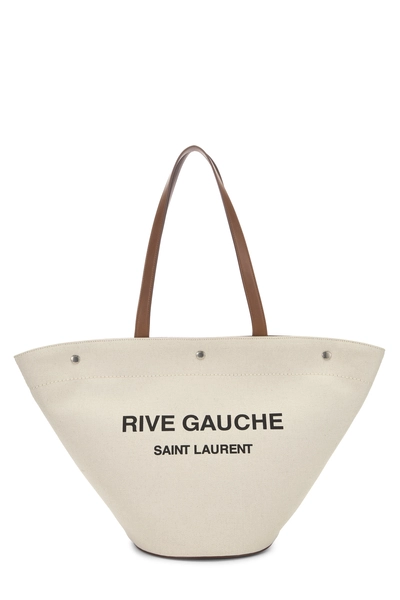
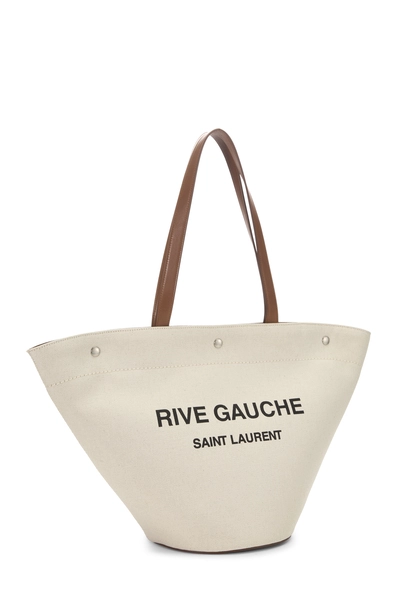
In 1966, Saint Laurent introduced Saint Laurent Rive Gauche, a ready-to-wear line that expanded the house beyond traditional haute couture. The initiative offered a more accessible interpretation of the designer's aesthetic while retaining its emphasis on style and quality.
The distinction was important. Haute couture was created for a highly exclusive clientele, whereas ready-to-wear responded to the needs of a younger generation seeking contemporary fashion that could be integrated into everyday life.
Rive Gauche helped establish a new relationship between luxury and modern living. It demonstrated that a prestigious fashion house could preserve its creative identity while reaching customers outside the traditional couture establishment.
The 1970s: Individuality, Sensuality and Cultural Influence
During the 1970s, Yves Saint Laurent developed an aesthetic that combined historical references with a distinctly modern sensibility. His collections explored the relationship between masculine and feminine dress, drawing inspiration from safari clothing, military uniforms, bohemian culture and earlier periods of European fashion.
His work also attracted a growing circle of influential women who embodied the house's independent spirit. Among them were actress Catherine Deneuve, model Betty Catroux and muse Loulou de La Falaise. Their association with the brand helped establish an image of French sophistication that felt intellectual, unconventional and quietly provocative.
Saint Laurent's influence extended beyond individual garments. He helped popularize a broader approach to personal style in which clothing communicated personality and cultural awareness rather than adherence to a fixed ideal of femininity.
By the 1980s, Yves Saint Laurent had become an internationally recognized symbol of French luxury. His work occupied a distinctive position between traditional couture craftsmanship and the cultural experimentation that had defined his earlier collections.
In 1983, the Metropolitan Museum of Art in New York presented Yves Saint Laurent: Twenty-Five Years of Design, a landmark exhibition celebrating the work of a living fashion designer. The retrospective affirmed his position as a major creative force and demonstrated the historical significance of his contributions to fashion.
During this period, Saint Laurent continued exploring the relationship between clothing and art. Elaborate embroidery, richly colored fabrics and references to painters such as Vincent van Gogh demonstrated his commitment to craftsmanship and artistic interpretation. His celebrated sunflower and iris jackets, created in the late 1980s, exemplified the intricate handwork associated with the house.
At the same time, the brand expanded its commercial reach through fragrances, cosmetics and accessories. These categories helped establish Yves Saint Laurent as more than a couture label, creating a broader luxury identity that could reach customers through multiple product categories.
The decade reinforced a central characteristic of the house: its ability to combine dramatic artistic expression with practical elegance. A meticulously embroidered evening jacket and a sharply tailored wool coat could belong to the same creative universe without compromising the integrity of either.
The End of an Era
In January 2002, Yves Saint Laurent presented his final haute couture collection and officially retired from fashion design. His departure marked the conclusion of one of the most influential creative careers in twentieth-century fashion.
Yves Saint Laurent died in Paris on June 1, 2008. His contribution to fashion, however, remained deeply embedded in the identity of the house bearing his name.
The Musée Yves Saint Laurent Paris, established in the designer's former couture premises, preserves his work and documents his creative process. Its collections offer insight into the sketches, garments and techniques behind designs that helped shape the modern fashion landscape.
The continuing relevance of his work demonstrates that his influence extended beyond the seasons in which his collections were presented. His designs established a visual and philosophical foundation that subsequent creative directors would interpret in different ways.
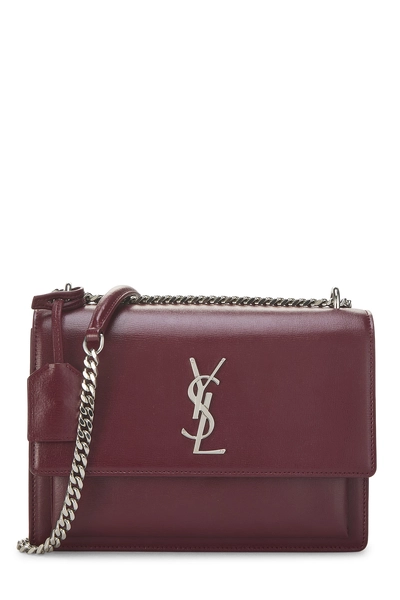
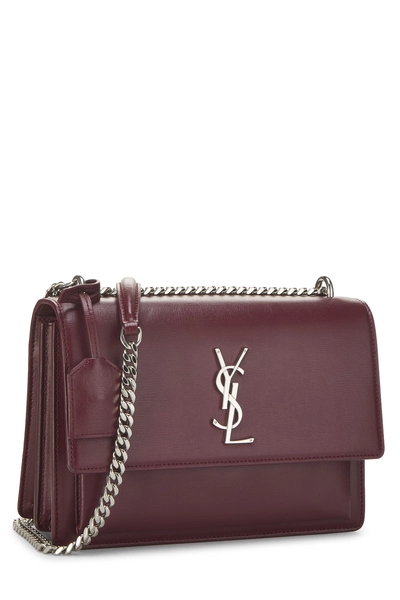
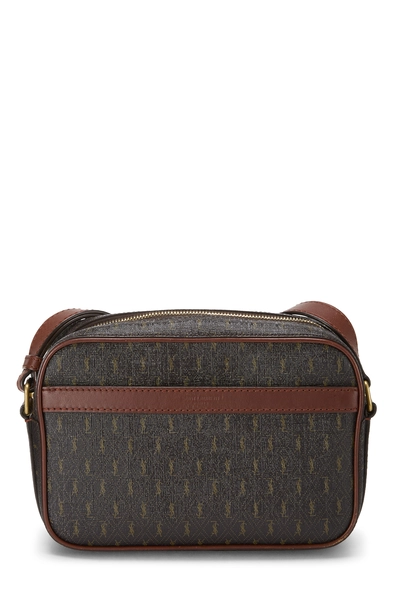
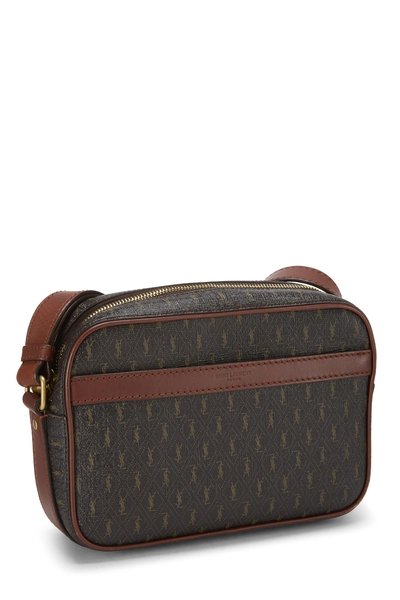
Tom Ford took responsibility for Yves Saint Laurent's ready-to-wear collections in 1999 while the founder continued directing haute couture until his retirement in 2002. Ford brought a distinctly contemporary sensibility to the label. His collections emphasized sensuality, sleek tailoring and a more provocative visual language. His approach reflected the increasing importance of advertising, celebrity culture and a recognizable designer identity in the luxury market. He would introduce iconic “it bags” such as the Mombasa and the Muse.
Stefano Pilati succeeded Ford in 2004, introducing a more restrained and intellectually driven approach to the brand. His collections explored proportion, texture and tailoring while maintaining the house's association with modern femininity.
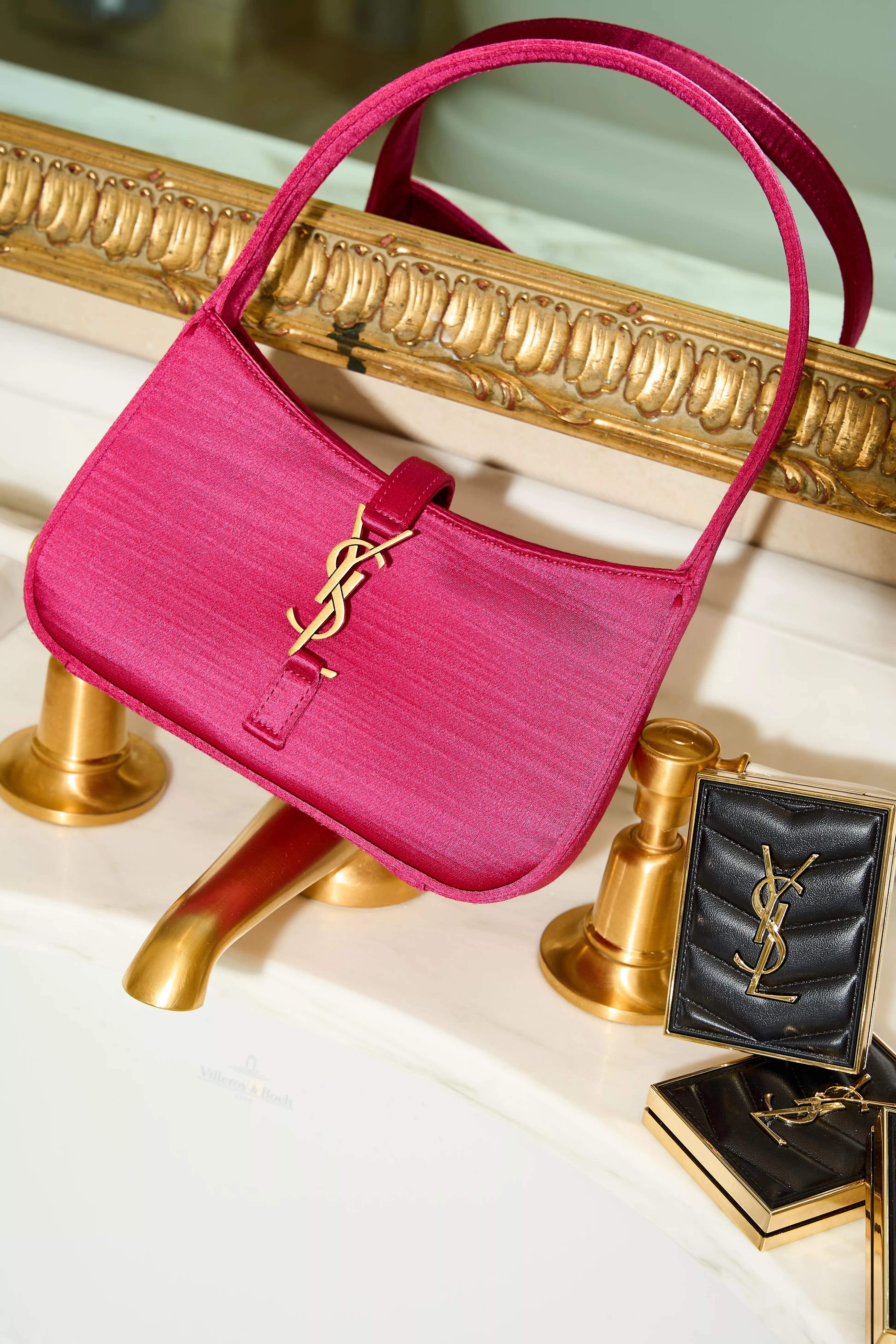
In 2012, Hedi Slimane became creative director and introduced one of the most consequential transformations in the house's contemporary history. The brand's ready-to-wear identity was renamed Saint Laurent, with the new visual presentation drawing from the name associated with the original Rive Gauche line. The change was more than a typographic adjustment. It signaled a deliberate shift toward a younger and more contemporary interpretation of the house.
Slimane's collections drew heavily from rock music, youth culture and the aesthetics of underground scenes. Narrow silhouettes, leather jackets, slim tailoring and a predominantly dark palette became central to his interpretation.
Anthony Vaccarello was appointed creative director in 2016, beginning a decade-long tenure that would become one of the most commercially significant chapters in the brand's contemporary history. Vaccarello's collections presented a confident vision of modern luxury that drew from the house's historical relationship with power dressing while expressing a distinctly contemporary attitude.


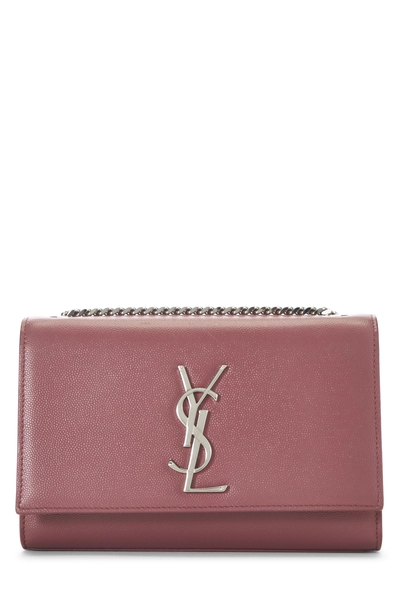
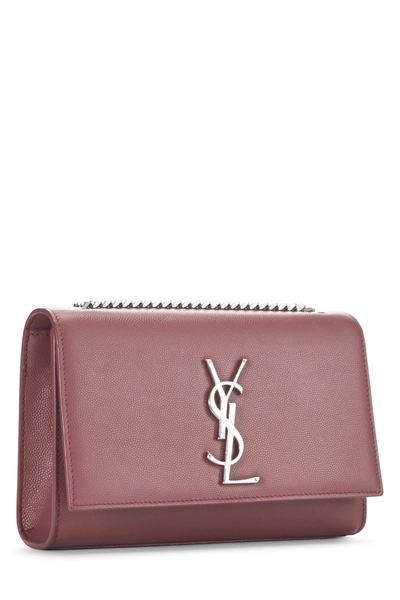
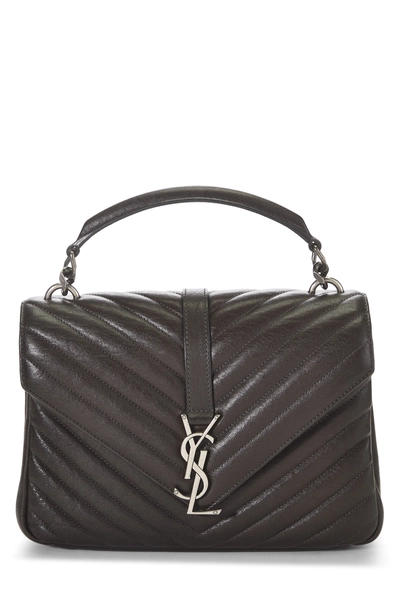
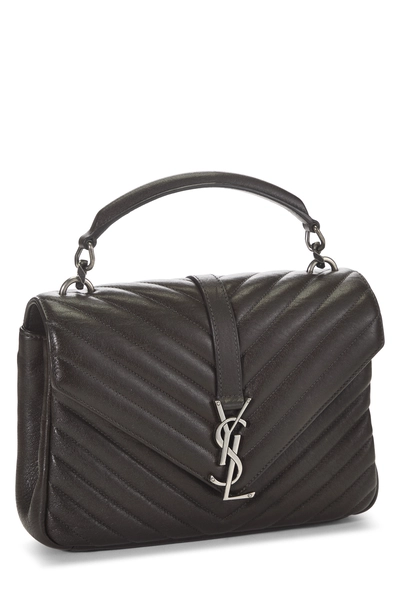



.WebP?sfrm=jpg&q=80)

Presented in 1965, the Mondrian collection featured shift dresses inspired by the geometric compositions of Dutch artist Piet Mondrian. Using blocks of primary colors separated by black lines, the designs demonstrated Saint Laurent’s ability to translate fine art into wearable fashion.
Launched in 1966, Saint Laurent Rive Gauche was the designer’s ready-to-wear line. It offered a more accessible alternative to exclusive haute couture while maintaining the house’s distinctive aesthetic, helping establish ready-to-wear as an important expression of luxury fashion.
Saint Laurent expanded the possibilities of womenswear through tailored suits, tuxedos, safari jackets, and other designs traditionally associated with menswear. His collections encouraged women to embrace clothing as a form of self-expression rather than simply conforming to established expectations of femininity.
Among his best-known muses and close creative influences were actress Catherine Deneuve, model Betty Catroux, and Loulou de La Falaise. Their distinctive styles reflected the intellectual, independent, and unconventional spirit associated with the fashion house.
What Goes Around Comes Around now offers worldwide direct shipping through DHL. Shop our site in your selected currency. Shipping fees and taxes will be added in checkout.
![flag]() USA
![flag]() Algeria
![flag]() Andorra
![flag]() Anguilla
![flag]() Antigua and Barbuda
![flag]() Argentina
![flag]() Armenia
![flag]() Aruba
![flag]() Australia
![flag]() Austria
![flag]() Bahamas
![flag]() Bahrain
![flag]() Barbados
![flag]() Belgium
![flag]() Belize
![flag]() Bermuda
![flag]() Bolivia
![flag]() Bosnia and Herzegovina
![flag]() British Virgin Islands
![flag]() Bulgaria
![flag]() Cabo Verde
![flag]() Canada
![flag]() Cayman Islands
![flag]() Chile
![flag]() China
![flag]() Colombia
![flag]() Cook Islands
![flag]() Costa Rica
![flag]() Croatia
![flag]() Curaçao
![flag]() Cyprus
![flag]() Denmark
![flag]() Dominican Republic
![flag]() Ecuador
![flag]() Egypt
![flag]() El Salvador
![flag]() Fiji
![flag]() Finland
![flag]() France
![flag]() French Polynesia
![flag]() Georgia
![flag]() Germany
![flag]() Gibraltar
![flag]() Grenada
![flag]() Honduras
![flag]() Hong Kong
![flag]() Hungary
![flag]() Iceland
![flag]() Ireland
![flag]() Israel
![flag]() Italy
![flag]() Jamaica
![flag]() Japan
![flag]() Jordan
![flag]() Kuwait
![flag]() Liechtenstein
![flag]() Luxembourg
![flag]() Maldives
![flag]() Martinique
![flag]() Mexico
![flag]() Monaco
![flag]() Montenegro
![flag]() Morocco
![flag]() Netherlands
![flag]() New Zealand
![flag]() Norway
![flag]() Pakistan
![flag]() Poland
![flag]() Portugal
![flag]() Qatar
![flag]() Saudi Arabia
![flag]() Seychelles
![flag]() Singapore
![flag]() Slovenia
![flag]() Sri Lanka
![flag]() South Korea
![flag]() Spain
![flag]() Sweden
![flag]() Switzerland
![flag]() Taiwan
![flag]() Thailand
![flag]() Trinidad and Tobago
![flag]() Turkey
![flag]() Turks and Caicos Islands
![flag]() United Arab Emirates
![flag]() United Kingdom
![flag]() Venezuela
![flag]() Vietnam


